






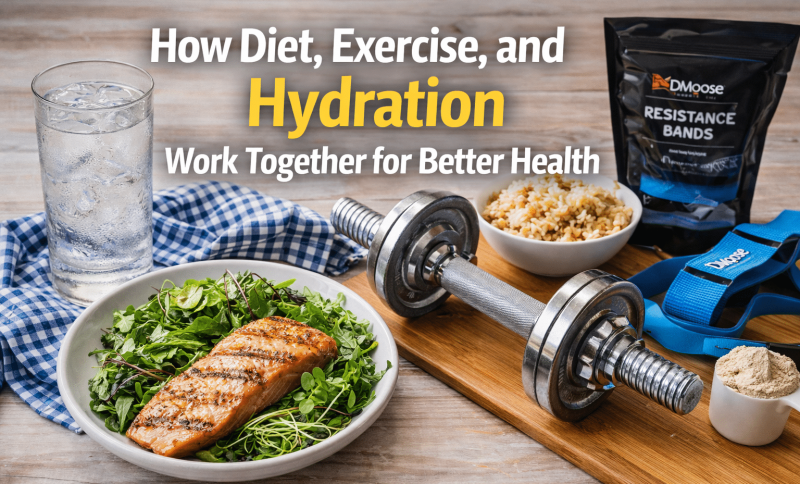
Maintaining good health involves more than simply eating well or exercising occasionally. True wellness comes from a balanced lifestyle that combines proper nutrition, regular physical activity, and adequate hydration. When these three elements work together, they help improve energy levels, support muscle recovery, enhance metabolism, and contribute to long-term health.
Many people focus on only one aspect of health. Some prioritize exercise but neglect their diet, while others concentrate on eating healthy foods but do not stay physically active. However, diet, exercise, and hydration are interconnected, and each plays an essential role in how the body functions and performs.
Understanding how these elements support each other can help individuals build sustainable habits that improve both physical performance and overall well-being.
Why Nutrition Is the Foundation of Health
Nutrition provides the body with the fuel it needs to function properly. The food we eat supplies essential nutrients that support everything from energy production to immune function.
A balanced diet typically includes three main macronutrients:
Protein helps repair and build muscle tissue. It is especially important for individuals who exercise regularly or engage in strength training.
Carbohydrates serve as the body’s primary energy source. They help fuel workouts and daily activities.
Healthy fats support brain health, hormone production, and nutrient absorption.
In addition to macronutrients, the body also requires vitamins and minerals from foods such as fruits, vegetables, whole grains, and lean proteins. These micronutrients help maintain metabolic functions, support the immune system, and aid in recovery after physical activity.
When nutrition is balanced and consistent, the body can perform daily activities more efficiently and maintain stable energy levels throughout the day.
The Role of Exercise in Overall Wellness
Exercise is another key component of a healthy lifestyle. Physical activity helps strengthen the body, improve cardiovascular health, and support mental well-being.
Regular exercise offers numerous benefits, including:
- Improved muscle strength and endurance
- Better cardiovascular health
- Increased metabolism
- Enhanced mood and stress reduction
- Improved mobility and flexibility
Strength training exercises such as squats, push-ups, and resistance training help build muscle and increase overall strength. Cardiovascular exercises like walking, cycling, or jogging support heart health and improve endurance.
Exercise also plays a role in improving how the body uses nutrients. When people stay active, their bodies become more efficient at using carbohydrates for energy and protein for muscle repair.
Even moderate physical activity performed consistently can have significant long-term health benefits.
How Diet and Exercise Work Together
Diet and exercise are closely connected. When combined properly, they create a powerful foundation for better health and improved physical performance.
For example, carbohydrates provide the energy needed for workouts. Without sufficient energy intake, exercise performance can decline, and fatigue may occur more quickly.
Protein supports muscle repair and recovery after physical activity. During exercise, especially strength training, muscle fibers experience small amounts of stress. Consuming adequate protein helps repair these fibers and promotes muscle growth.
Healthy fats contribute to hormone balance and provide a long-lasting source of energy for the body.
When diet and exercise are aligned, individuals often experience improved endurance, faster recovery, and greater strength gains. Over time, this combination can also support weight management and overall metabolic health.
Why Hydration Matters for Better Health
Hydration is often overlooked, yet it plays a crucial role in maintaining overall health and supporting physical performance.
Water helps regulate body temperature, transport nutrients throughout the body, and remove waste products. It also plays an essential role in maintaining joint lubrication and supporting digestion.
During exercise, the body loses water through sweat. If this fluid is not replaced, dehydration can occur. Even mild dehydration may lead to symptoms such as fatigue, headaches, reduced concentration, and decreased workout performance.
Proper hydration can help:
- Maintain energy levels
- Improve physical endurance
- Support muscle function
- Enhance recovery after exercise
People who engage in regular physical activity often require more water than those with sedentary lifestyles. Environmental factors such as heat and humidity can also increase hydration needs.
To estimate personal hydration needs, some individuals simply use Daily water intake calculator, which can help determine daily water requirements based on body weight, activity level, and lifestyle habits.
Choosing the Right Fitness Equipment
Exercise does not always require a fully equipped gym. Many people can maintain effective workout routines using simple equipment at home or in small workout spaces.
Some commonly used training accessories include resistance bands, lifting straps, wrist wraps, and weightlifting belts. These tools can help improve workout efficiency and support proper form during exercises.
Resistance bands are particularly versatile because they allow users to perform a wide range of strength and mobility exercises. They are lightweight, portable, and suitable for both beginners and experienced athletes.
Lifting straps can assist with grip during exercises such as deadlifts and rows, while wrist wraps provide additional support during pressing movements.
When selecting workout gear, many athletes choose reliable equipment from trusted fitness brands like DMoose that design workout gears specifically for strength training and performance.
Having access to supportive equipment can make workouts more comfortable and may help reduce the risk of injury during training.
Practical Tips for Balancing Diet, Exercise, and Hydration
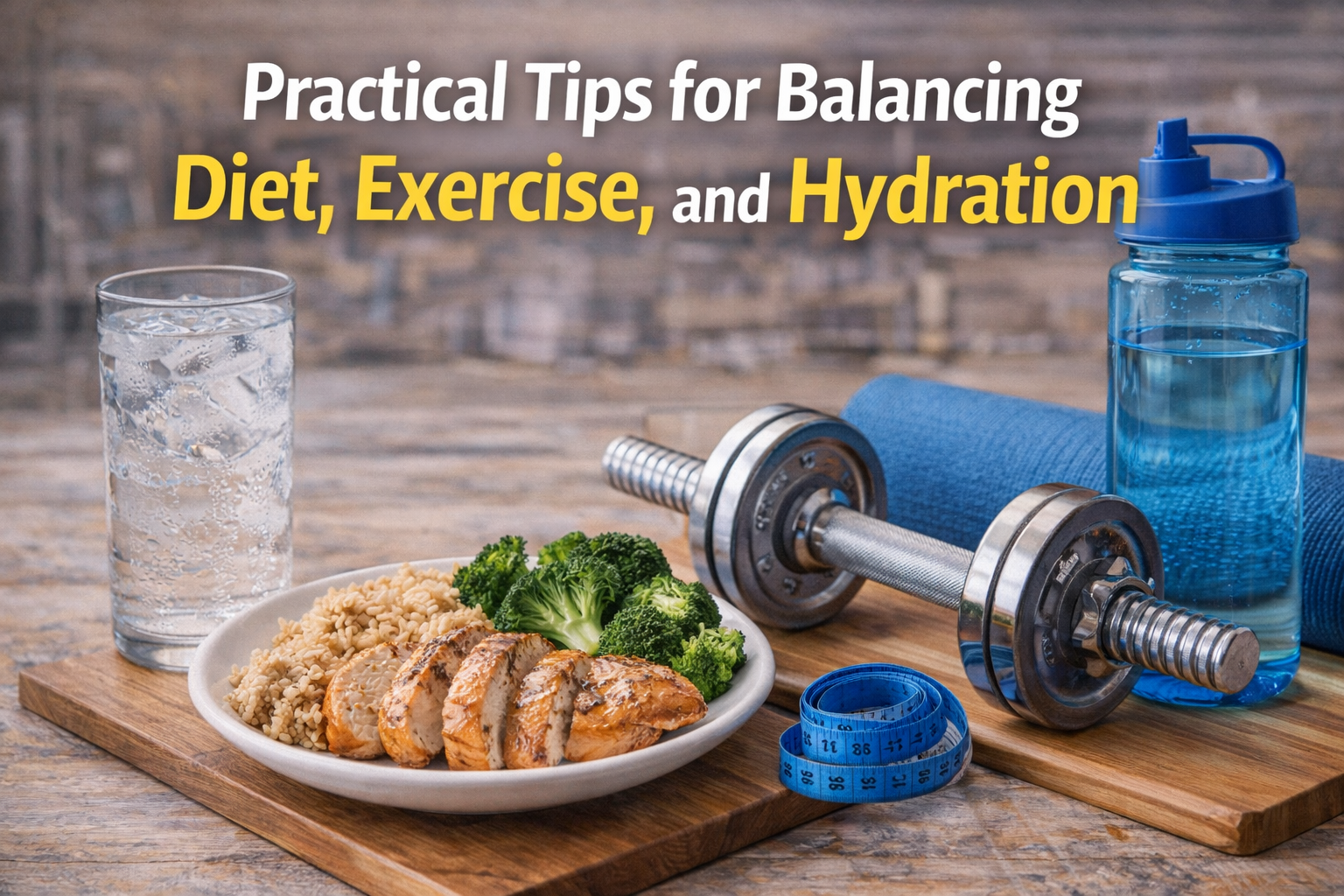
Creating a balanced lifestyle does not require drastic changes. Small, consistent habits can make a significant difference over time.
Some practical tips include:
Plan balanced meals.
Include a combination of protein, carbohydrates, and healthy fats to support energy and recovery.
Stay hydrated throughout the day.
Drinking water regularly helps maintain energy levels and supports overall health.
Establish a consistent workout routine.
Even moderate physical activity performed several times per week can provide long-term benefits.
Prioritize recovery.
Rest, sleep, and stretching help the body repair and adapt after physical activity.
Track your progress.
Monitoring improvements in strength, endurance, or energy levels can help maintain motivation.
These habits help create a sustainable lifestyle that supports both short-term performance and long-term health.
Common Mistakes to Avoid
While many people aim to live healthier lifestyles, certain habits can make it more difficult to achieve consistent results.
Some common mistakes include:
Skipping meals.
This can reduce energy levels and negatively impact workout performance.
Overtraining.
Exercising excessively without proper recovery can lead to fatigue or injury.
Ignoring hydration.
Not drinking enough water can reduce endurance and overall physical performance.
Following extreme diets.
Highly restrictive eating patterns are often difficult to maintain long term.
Inconsistent routines.
Sporadic workouts or irregular eating habits can slow progress and make it harder to build lasting habits.
Avoiding these mistakes helps create a more balanced and sustainable approach to health and fitness.
Building Sustainable Healthy Habits
Long-term health improvements come from consistent habits rather than short-term efforts. Instead of trying to make drastic changes all at once, it is often more effective to focus on small, manageable adjustments.
For example, gradually increasing physical activity, improving meal quality, and drinking more water each day can lead to meaningful progress over time.
Consistency is the key factor that determines success in any health or fitness journey. When diet, exercise, and hydration are balanced, the body can function more efficiently and adapt to new challenges more effectively.
Conclusion
Diet, exercise, and hydration each play an important role in maintaining overall health. When combined, these elements create a strong foundation for improved physical performance, increased energy, and long-term wellness.
A balanced diet provides essential nutrients that fuel the body, regular exercise strengthens muscles and supports cardiovascular health, and proper hydration helps maintain optimal body function.
By developing sustainable habits that include balanced nutrition, consistent physical activity, and adequate hydration, individuals can create a healthier lifestyle that supports both daily well-being and long-term health goals.