





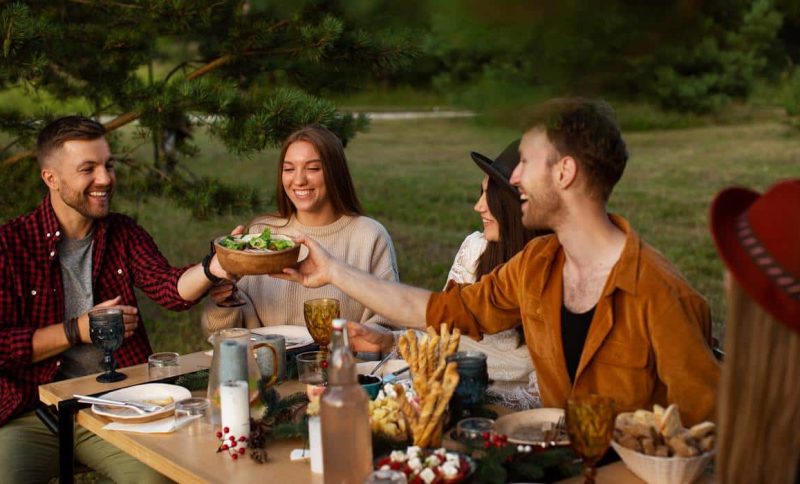
Planning a casual food get-together shouldn’t leave you frazzled before the first bite! To host an unforgettable event without the stress, it all comes down to three things: setting a clear traffic flow, giving your volunteers easy-to-follow roles, and keeping your look consistent. These simple strategies are total game-changers, turning chaotic bake sales or neighborhood cook-offs into smooth, welcoming gatherings.
While professional planning is a major industry where the median annual wage for meeting, convention, and event planners was $59,440, volunteer hosts do not need professional credentials to succeed.
By implementing these foundational steps before the doors open, hosts can step away from troubleshooting and actually enjoy the community tasting experience they worked so hard to build.
1. Plan Flow So Nobody Wanders in Circles
Here is a truth that every bake sale veteran eventually learns the hard way. If guests have to ask where to go, the layout needs immediate adjustment. The single most effective thing organizers can do before a small food event is decide exactly how people will move through the space.
A clear and logical flow removes the most common source of early event confusion and lets guests relax into the fun instead of feeling lost. A one-way traffic path through tasting stations works beautifully for chili cook-offs or vendor rows. A basic entry sign with a welcome message and a directional arrow sets the tone immediately.
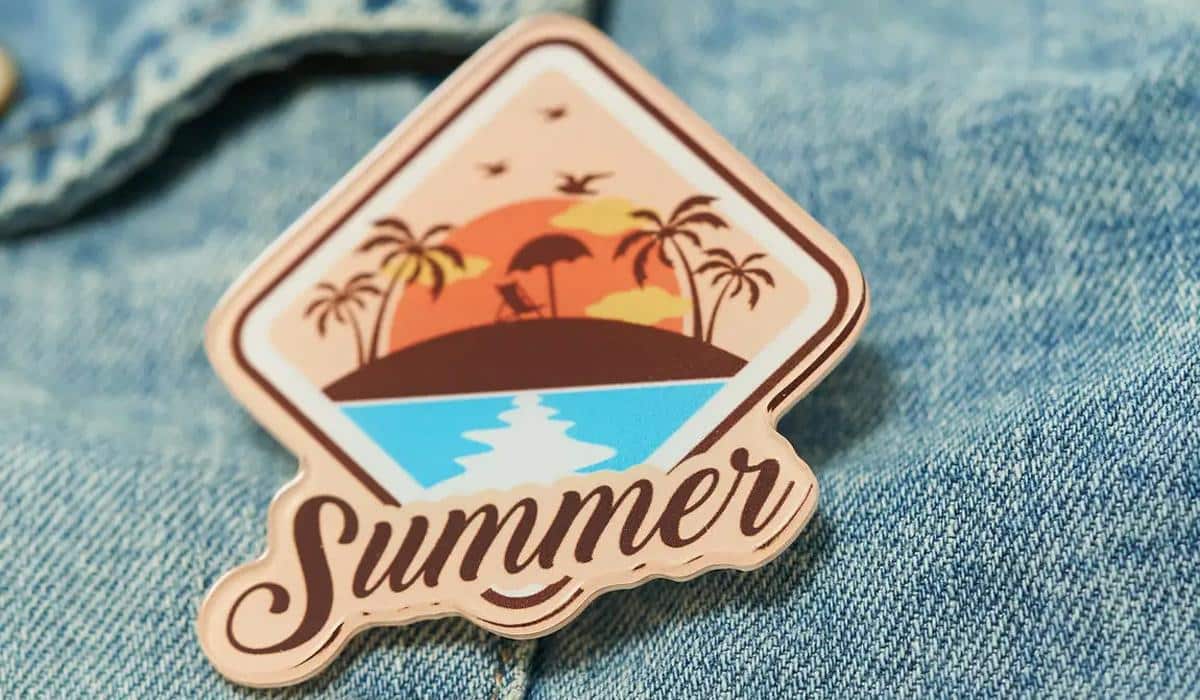
Using identification tools like custom pin buttons from Swagprint.com for your guides can further help direct traffic effortlessly. At a school bake sale, numbered tables help buyers move efficiently from station to station without crowding a single spot.
The five-minute flow plan saves an hour of confusion for everyone involved:
- Entry sign with the event name and a warm welcome message
- Numbered or labeled tasting stations so guests know what to try and in what order
- A simple printed or handwritten menu display at each table
- One-directional traffic paths wherever the space allows
- Visible trash and recycling stations, so cleanup is effortless
Setting up this simple roadmap allows your guests to stop worrying about where to stand and start focusing on the delicious food in front of them. When the path is clear and the bins are easy to find, you’re not just managing a crowd; you’re creating a seamless, inviting space where the community can truly connect.
2. Pin Down Roles to Boost Team Spirit
When roles are unclear, the volunteer who signed up to work the dessert table inevitably ends up answering questions about parking and making change.
Approximately 35% of surveyed volunteers reported that organizational ambiguity regarding their responsibilities contributed to their overall stress levels. Assigning clear roles before the event is the difference between a team that hums along and a team that burns out.
Once roles like greeter, cashier, food runner, and judge are assigned, the next step is making those positions visible to the crowd. Providing clear identifiers removes the guesswork for guests trying to find the right person. Event hosts frequently rely on simple identification tools to make their staff stand out.
Standardized name tags and color-coded lanyards all serve as excellent visual cues that help attendees immediately spot staff or VIPs. Identifiers accomplish two things at once by streamlining the guest experience and giving volunteers a genuine moment of recognition.
When volunteers feel identified and celebrated, they show up with significantly more energy. That enthusiasm naturally passes on to the attendees and elevates the entire atmosphere.
A simple role clarity checklist keeps everyone on the same page:
- List every role needed at least one week before the event
- Secure visual identifiers for staff, judges, and VIPs well in advance
- Design a fun guest takeaway item as a memorable keepsake
- Brief all volunteers on their specific responsibilities the day before
Beyond these logistical preparations, fostering an environment where volunteers feel comfortable asking for real-time support ensures that unexpected challenges don’t dampen the event’s momentum.
Encouraging a culture of open communication allows the team to pivot smoothly as needs change, keeping the focus on a seamless experience for both the staff and the attendees.
3. Brand Little Details for Big Lasting Impressions
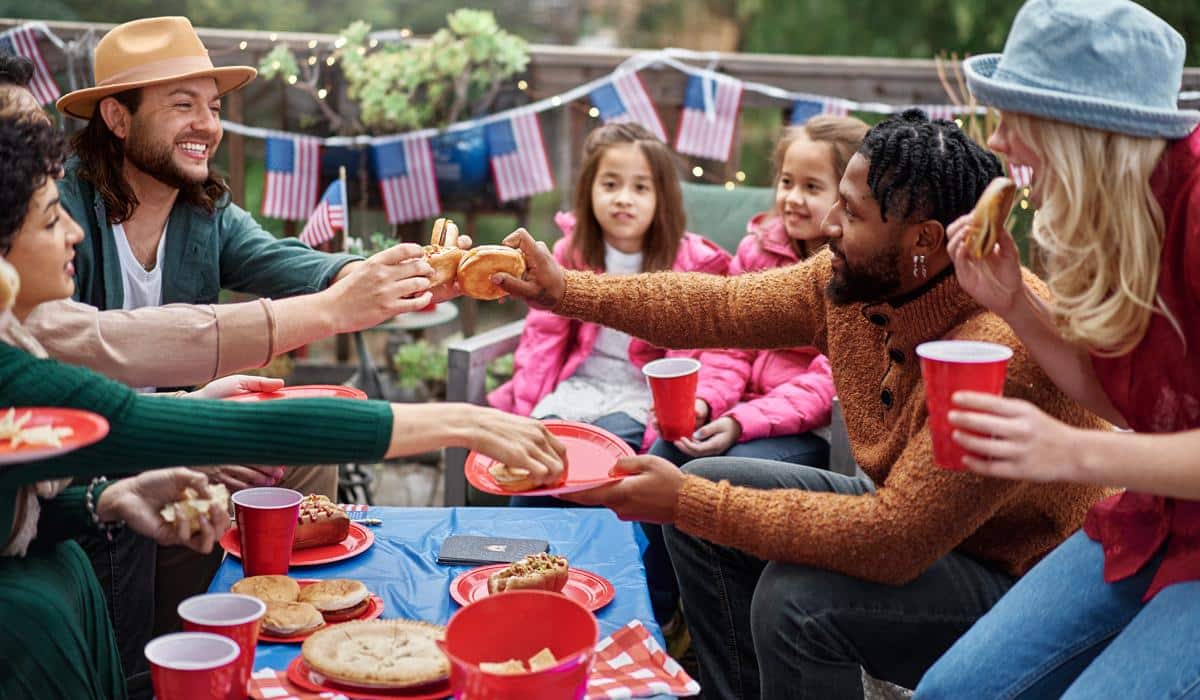
Creating a polished food event does not require a graphic design background; it simply requires consistency. Picking two coordinating colors and using them on everything transforms a collection of random tables into a cohesive, intentional experience.
Matching kraft paper labels at a cookie exchange and a chalk-lettered sign at the chili cook-off judging table are excellent ideas. A small printed card at each station thanking volunteers also adds a wonderful touch.
These branding details feel small individually but create a lasting impression collectively, signaling to guests that the host cares about their experience. One strategy that consistently elevates casual gatherings is a designated photo moment.
Printing the event hashtag on every piece of signage turns guests into organic ambassadors who extend the event reach.
- Choose two coordinating colors and apply them across all printed materials
- Print matching table labels or tent cards for every station
- Prepare a small thank-you note for volunteers and local vendors
- Set up one styled photo moment space with a clear backdrop
- Include an event hashtag or social handle on every printed piece
Styling a corner of the space with a fun sign or a simple backdrop encourages attendees to snap pictures.
Now, It’s Your Turn
None of these three secrets requires a massive budget, a professional coordination team, or months of lead time. They simply require a little forethought and preparation. The payoff is a food event where the tasting, the community, and the fun stay front and center, exactly the way they should be.
The joy of bringing people together over food is always the star of the show. These foundational systems just make sure nothing gets in the way of a great time. If you had a simple plan in place, what kind of food event would you host first?
Drop your answer in the comments below because it is always inspiring to hear what culinary gatherings the community is bringing to life next.