





Most home cooks spend more time in the kitchen than they need to. Small inefficiencies pile up fast, from hunting for tools mid-cook to repeating prep steps that could be done days earlier.
Getting smarter about your routine does not require fancy equipment or culinary school training. Resources like Chef Stop are built around this exact idea, helping everyday cooks work with more confidence and less fuss. The hacks below are practical, easy to adopt, and built to stick.
Set Up Your Station Before You Start Cooking
Professional kitchens run on a concept called mise en place, which simply means everything in its place. You measure, chop, and organise every ingredient before cooking starts. Home cooks who skip this step end up scrambling mid-recipe, which leads to burnt food and missed timing.
Spending five to ten minutes setting up your station changes the whole experience. You move calmly, you follow the recipe more accurately, and you catch missing ingredients before it matters. It takes a small upfront investment of time but saves a larger block of it later.
A solid prep habit also makes it easier to cook for guests. You are not stressed at the stove because the work is already done.
Batch Your Prep Work Once a Week
Chopping onions, mincing garlic, and washing salad greens takes time every single day if you do it fresh each time. Doing it all in one session on a Sunday afternoon changes your weeknight cooking completely.
Store prepped vegetables in airtight containers in the fridge. Most last three to five days without losing quality. Garlic keeps well in a small jar with a tight lid. Washed greens stay crisp wrapped in a dry paper towel inside a sealed bag.
Here are some ingredients worth prepping in bulk each week:
- Diced onions, capsicum, and celery for soups, stir-fries, and pasta bases
- Shredded cabbage or carrot for slaws, tacos, or quick salads
- Portioned proteins that are marinated and ready to cook straight from the fridge
The University of Minnesota Extension notes that proper food storage keeps meals fresher and reduces household food waste significantly. Batch prep fits neatly into that goal.
Learn to Use Heat Zones on Your Stovetop
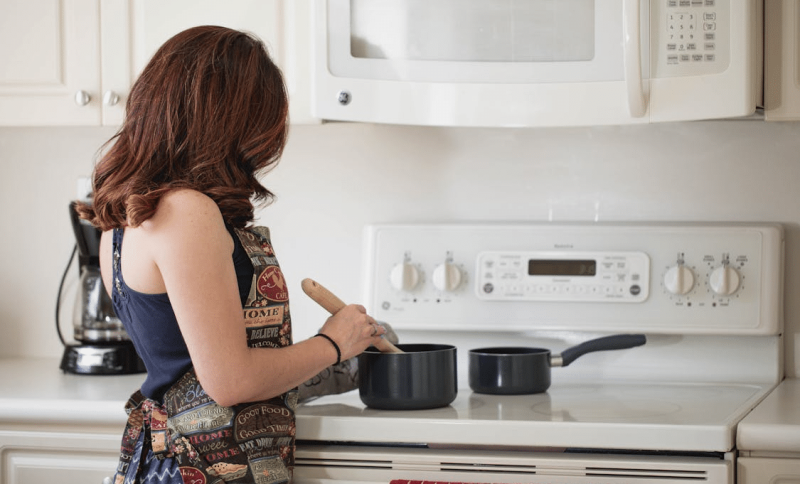
A common mistake home cooks make is treating the entire stovetop as one temperature. In practice, your pan has multiple heat zones, and using them well makes a real difference to the outcome of a dish.
The Centre Versus the Edges
The centre of a pan over a gas flame runs hottest. The edges stay cooler. Once you understand this, you can sear protein in the centre while resting cooked pieces on the edge to keep warm without overcooking them.
Oven Heat Distribution
Most ovens run hotter at the back than at the front. Rotating your trays halfway through baking gives you more even results, and this is especially true with biscuits, roasted vegetables, and pastries. It is a small move that makes a noticeable difference in texture and colour.
Keep One Sharp Knife and Use It for Everything
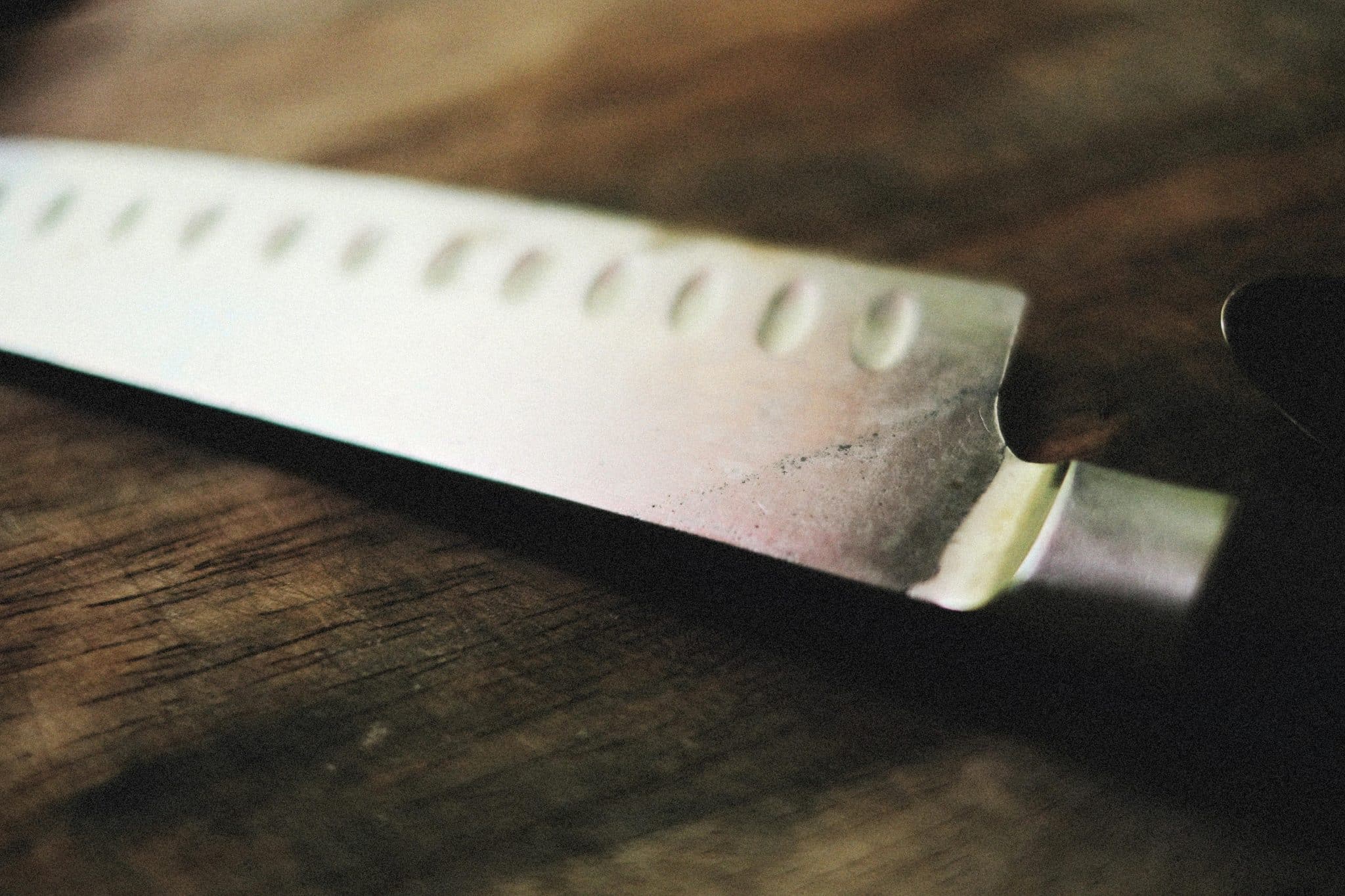
A sharp knife is safer than a dull one. It moves predictably through food, requires less force, and gives you cleaner cuts. A dull blade slips and crushes rather than slices, which is where most kitchen cuts actually happen.
You do not need a full knife block to cook well. One good chef’s knife, kept sharp, handles around 80 percent of kitchen tasks. A paring knife covers the rest. Sharpening does not need to be complicated. A whetstone used once a month or a pull-through sharpener used every few weeks keeps an edge consistent.
Good knife skills also speed up prep considerably. Learning basic techniques like the claw grip and the rocking chop reduces chopping time and keeps your fingers away from the blade.
Store Spices Where You Cook, Not Where They Fit
Spices stored in a dark pantry stay fresh, but if you have to walk across the kitchen every time you season, you end up using them less often. Keeping your most-used spices right beside the stove changes how freely you season food.
A small magnetic rack on the wall beside the cooktop works well in tight spaces. A tiered tray on the bench near the stove is another solid option. The goal is to cut friction so seasoning becomes second nature rather than an extra step.
Fresh herbs stored as a bunch in a jar of water on the bench stay fresh for up to a week longer than herbs stuffed in a plastic bag in the crisper drawer. Treat them like flowers and they last.
Use Your Freezer as an Active Ingredient Source
Most home cooks treat the freezer as a place for leftovers or backup meals. It works just as well as an active ingredient source you reach for throughout the week. Frozen corn, peas, edamame, and spinach cook from frozen in minutes and hold their nutritional value well.
Homemade stocks are worth freezing in ice cube trays. Once frozen, transfer the cubes to a zip-lock bag. You then have individual servings of stock ready to drop into sauces, risottos, and braises without opening a full carton.
Research from CSIRO shows that frozen vegetables often retain nutrients comparable to fresh produce, particularly when produce is frozen quickly after harvest. That takes the guilt out of reaching for frozen ingredients on a busy weeknight.
Taste as You Go and Adjust Early
Seasoning at the end of cooking only does so much. Salt added late sits on the surface of food rather than working through it. Acid added at the end can taste sharp rather than bright. Building flavor throughout the process gives you far more control over the final result.
Taste your dish at each main stage so you can make adjustments before they become harder to fix. Here is when to check your seasoning:
- After sautéing aromatics like onion and garlic
- After adding your main liquid such as stock, tinned tomatoes, or cream
- Just before serving, so you can make any final tweaks
A pinch of salt, a squeeze of lemon, or a splash more stock can shift a flat dish into something that feels complete. These small adjustments at the right time make a bigger difference than any fancy ingredient.
Small Habits Add Up Quickly
None of these changes require new gear or special gadgets. They are adjustments to how you approach cooking, not what you own. Start with one this week, whether that is setting up your station before you cook or committing to one batch prep session. You will notice the difference in your daily routine within a fortnight, and from there it only gets easier to build on.