

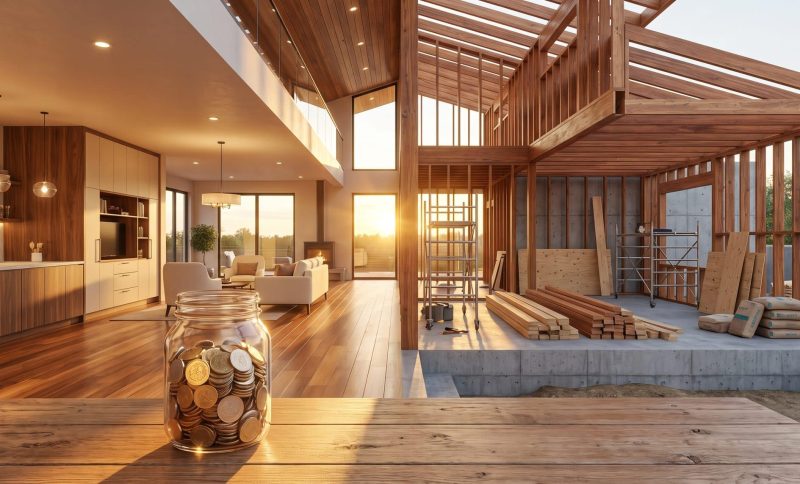
Building a dream home is exciting because nearly every major choice is yours. You can decide how the rooms connect, how much natural light enters the house, where storage goes and what materials appear throughout the interior. At the same time, having that much control also means taking responsibility for a long list of expenses that can quickly stretch beyond the original budget.
The financial side of a custom home should therefore be planned just as carefully as the floor plan itself. Construction, permits, professional fees, finishes, furniture and unexpected changes all compete for the same pool of money. The goal is not simply to find enough funding to begin construction. It is to create a financial plan that allows you to finish the house properly without putting the rest of your finances under unnecessary pressure.
Start With the Full Cost, Not Just the Construction Quote
One of the easiest mistakes to make is treating the builder’s estimate as the total price of the home. In reality, the construction contract may represent only part of what you eventually spend.
Land preparation can add costs before the foundation is even poured. Depending on the location, you may need surveying, soil testing, excavation, utility connections, permits and professional design services. Landscaping, driveways and fencing may also fall outside the main building contract.
Then there is the interior. Flooring, lighting, cabinetry, appliances, window treatments and furniture can represent a significant share of the final budget. Even smaller details, such as mirrors, shelving, hardware and decorative fixtures, add up when they are purchased for an entire house at once.
Creating a detailed project budget early gives you a better idea of how much money you actually need. It also helps prevent a common situation in which homeowners can afford to complete the building but have very little left to finish the rooms inside it.
Build Your Savings Before Breaking Ground
Cash savings provide flexibility during a construction project. Even when financing will cover much of the work, having your own funds available can make it easier to handle deposits, smaller purchases and expenses that fall outside the loan.
Start by separating your home-building savings from everyday money. A dedicated account makes it easier to see your progress and reduces the temptation to spend those funds elsewhere. Regular automatic transfers can also turn saving into a predictable part of your monthly finances rather than something you do only when extra money happens to be available.
The amount you need to save personally will depend on the size of the project and the type of financing you plan to use. A larger down payment may reduce the amount you need to borrow, while additional cash reserves can help you deal with changes during construction.
Explore Financing Options Carefully
Few people pay for an entire custom home in cash, so borrowing is often part of the plan. Construction financing works differently from a standard mortgage because funds may be released gradually as different stages of the project are completed.
Some construction loans convert into a traditional mortgage once the house is finished. Others require separate financing after construction. The right option depends on your financial position, the lender’s requirements and how the building project is structured.
When comparing offers, pay attention to more than the interest rate. Look at fees, down payment requirements, draw schedules, qualification standards and what happens if construction takes longer than expected. It is also worth understanding which costs the loan will cover. Some lenders may finance certain fixtures and permanent finishes while excluding furniture or decorative items.
Borrowing the maximum amount available is not always the best strategy. A loan should fit comfortably within your long-term household finances, not simply make it possible to complete a larger house.
Protect Your Emergency Savings During the Project
A dream home should not require you to empty every account you have. Construction projects are already unpredictable, and using all available cash can leave you financially exposed if something unrelated goes wrong.
Before committing large amounts of savings to the build, take time to think about how much should an emergency fund be and keep that reserve separate from your construction budget. Emergency savings are intended for situations such as income loss, medical expenses, urgent vehicle repairs, or other unexpected household costs. They should not become the default source of money every time the building project exceeds an estimate.
This distinction matters because construction overruns are common enough that they should be planned for separately. Instead of treating your emergency fund as the backup construction budget, create a dedicated contingency amount within the project itself.
That approach gives you two layers of protection. One helps keep the house moving when an unexpected building expense appears, while the other protects your wider financial life.
Create a Separate Contingency Budget

Even detailed building plans can change. Material prices may rise, hidden site problems can appear or you may decide that a particular upgrade is worth paying for once you see the space taking shape.
A contingency budget provides room for those situations. Rather than assuming the original estimate will remain exact, set aside additional money specifically for changes and unforeseen costs.
The important part is deciding what actually qualifies for contingency spending. A required drainage change or unexpected structural adjustment may be unavoidable. Upgrading every light fixture because you found more expensive ones online is different.
Keeping those categories separate makes it easier to control spending. Without clear boundaries, optional upgrades can gradually consume the money intended for genuine construction problems.
Prioritize Interior Spending by Permanence
Once construction moves toward completion, interior decisions begin arriving quickly. This is where budgets can become especially difficult to control because almost every upgrade seems relatively small on its own.
A practical way to prioritize is to spend more carefully on elements that are difficult or expensive to replace later. Flooring, built-in cabinetry, plumbing fixtures, electrical layouts and major kitchen components usually fall into this category.
Furniture and decorative items are easier to change over time. You do not necessarily need to fully furnish every room before moving in. A spare bedroom, reading room or formal dining area can remain simple for several months while you rebuild your savings.
This approach allows you to invest in the permanent parts of the house while giving yourself more time to develop the interior. In many cases, living in the home first also helps you understand what furniture and storage solutions you actually need.
Build the House Without Undermining Your Financial Future
The best home-building plan does more than get the house completed. It leaves you financially comfortable enough to enjoy living there afterward.
Start with a realistic estimate of the entire project, including construction and interior costs. Build savings early, compare financing options carefully and keep emergency funds separate from project money. Most importantly, leave room for surprises.
You may also find that finishing the interior gradually produces a better result. A home does not need to look completely finished on move-in day. Taking your time with furniture, artwork and decorative details can reduce financial pressure while allowing the space to develop naturally.
Building a dream home involves many emotional decisions, but the funding strategy should remain practical. When the financial plan is strong from the beginning, you have more freedom to make thoughtful design choices without turning every unexpected cost into a crisis.


