It only takes minutes for heavy rain to turn a nice yard into a dangerous pool of water. When rainwater has nowhere to go, it pools against the foundation of your home, causing severe internal water damage. To keep water out of your house, you need a reliable drainage system. This article will explore six practical ways you can use stormwater pits to protect your home from water hazards.
Understand the Flow of Surface Water
Prior to installing any drainage equipment, you should know how water moves through your land in a storm. Identify low spots in your yard where water naturally puddles or mud forms. These low areas are the ones where your property needs immediate structural support.
When making plans for changes, move water away from your main living structures. Know the natural slope of your land to position collection tools properly. Your drainage system will work properly when the storm hits if you have a plan.
Install Heavy-Duty Stormwater Pits
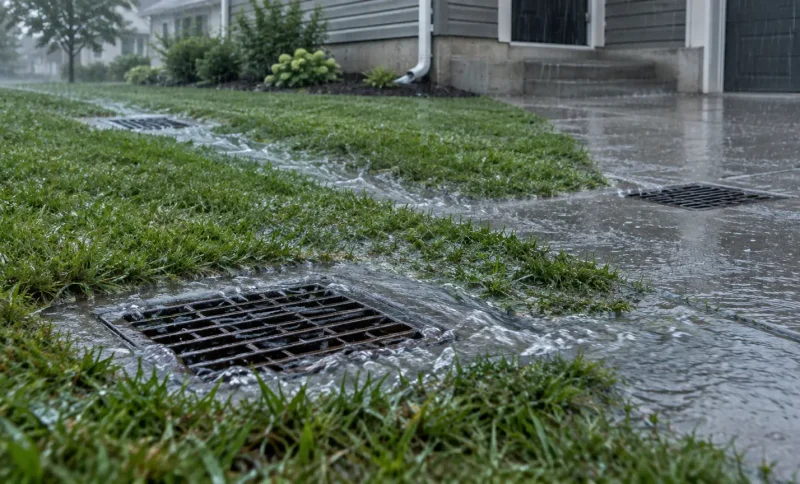
The easiest way to catch huge amounts of rushing surface water is to set up collection points in your yard. You can catch water before it enters your home and leaves through stormwater pits. They are flush with your grass or driveway so that you don’t get in the way.
These durable boxes hold the rushing water safely, and then it’s fed into your main drainage channels. Precast concrete options make sure that your collection boxes will not break or collapse under heavy vehicle weight. They are one of the most important defence tools for a low-lying home.
Keep Your Drain Grates Clear of Debris
During fall and winter storms, leaves, twigs, and loose dirt can wash over the grate, blocking out any water. Regularly check your grates and clear out any stuck debris. If a grate stays blocked, water will quickly back up and cause localised flooding in your garden or garage paths.
A quick two-minute clean of your system before a storm ensures it is open and ready for heavy flows. It is a simple maintenance habit that saves your property from harm.
Choose the Right Size Pipes for Rushing Water
Your underground pipes for your collection boxes need to be wide enough to carry large quantities of water fast. If your pipes are too narrow, the water will back up into your yard, and you can’t use them for collection points. Use a drainage expert to determine the pipe diameter for your yard and rainfall level.
Smooth plastic or strong concrete pipes are ideal for quickly moving water without the dirt getting caught inside. Ensure your pipes are installed with a consistent downward slope so water flows away naturally with gravity.
Redirect Water to Safe Discharge Points
When your collection system catches the rainwater, it needs to release it in a safe and legal location. Connecting your home system directly to your local council’s street drainage network is usually the best option. Never divert your floodwater onto a neighbour’s property, as that is going to cause legal trouble.
If a street connection is not available, you can feed the water into a huge underground rock soakage pit on your land. This allows the storm water to sink slowly back into the earth without damaging any buildings. Always choose a discharge path that protects the local environment.
Grade Your Lawn and Soil Paths Correctly
Even the best drain boxes need help from the surrounding land to run at their full capacity. If the ground slopes down towards your walls, gravity will pull water to your house before reaching a drain. Pooling can be avoided by planting your lawn so it slopes away from your foundation.
Use heavy clay soils near your walls to form a tight shield that forces water to glide outward into your yard. That means heavy downpours bounce away from your concrete slabs and go through your collection grates.
Investing in Advanced Flood Defense
Protecting your house from water damage is one of the best things you can do. It gives you peace of mind when the dark clouds come in. Take a walk around your yard and look at your existing grates. If you find any low spots, they need to be fixed. Investing in a good drainage plan now will save you money in the future.