

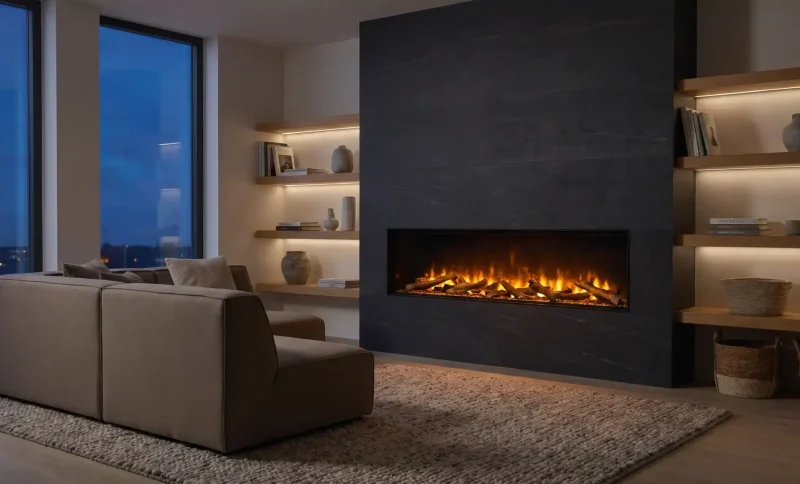
An effectively designed room typically includes at least one element that becomes a focal point in organizing the entire space. This can be achieved through having an element like the fireplace, which adds both visual and functional interest to the room while maintaining its balance. The electric fireplace gives the homeowner much freedom as far as the design and placement of the room are concerned. It can become a centerpiece in any room as a result of thoughtful furniture arrangements, proper lighting, and material selections.
Selecting the Right Location
The position of the fireplace determines perception of the room. It is good to locate it on the central wall, because it gives a possibility to see it from all seating positions and arrange other interior items around it. When the unit is placed in the living room, it gives the opportunity to create the place of gathering of family members and visitors. In order to choose the optimal location, homeowners have to take into account the proportion of the room, window and door openings, electrical access, and placement of surrounding pieces of furniture.
It is also necessary to keep in mind how often the room is visited by homeowners during the day. Thus, if a fireplace is located in a bedroom, it might not be a problem to place it so that it could be seen from the bed, but at the same time, it does not interfere with traffic in the room. In case of an open concept home, an electric fireplace will give the opportunity to separate a seating area from a dining room. It is necessary to look through the manufacturer’s instructions.
Choosing a Suitable Design
It is essential that the look of the fireplace be in line with the design of the whole room. For example, a contemporary linear unit installed on a wall may fit well into an interior decorated in the same style. It is possible to install the fireplace with the traditional mantle in case the house is designed in the classical style. The materials used for finishing the walls are also of importance because stone, tiles, painted wood, and textured wall panels will create different effects of appearance, so the fireplace can be coordinated with flooring, cabinetry, etc.
The size of the fireplace is another crucial issue to focus on. It is necessary to consider the width and height of the wall where the fireplace will be installed to choose the right model because otherwise, the unit may turn out to be too small to attract attention against a large wall or too big and unproportionate for a small room. The homeowner needs to take into account the amount of space needed around the fireplace for pictures, shelves, or decorations. A gas fireplace needs to be installed differently, so it is also worth comparing the designs.
Arranging Furniture Around the Fireplace
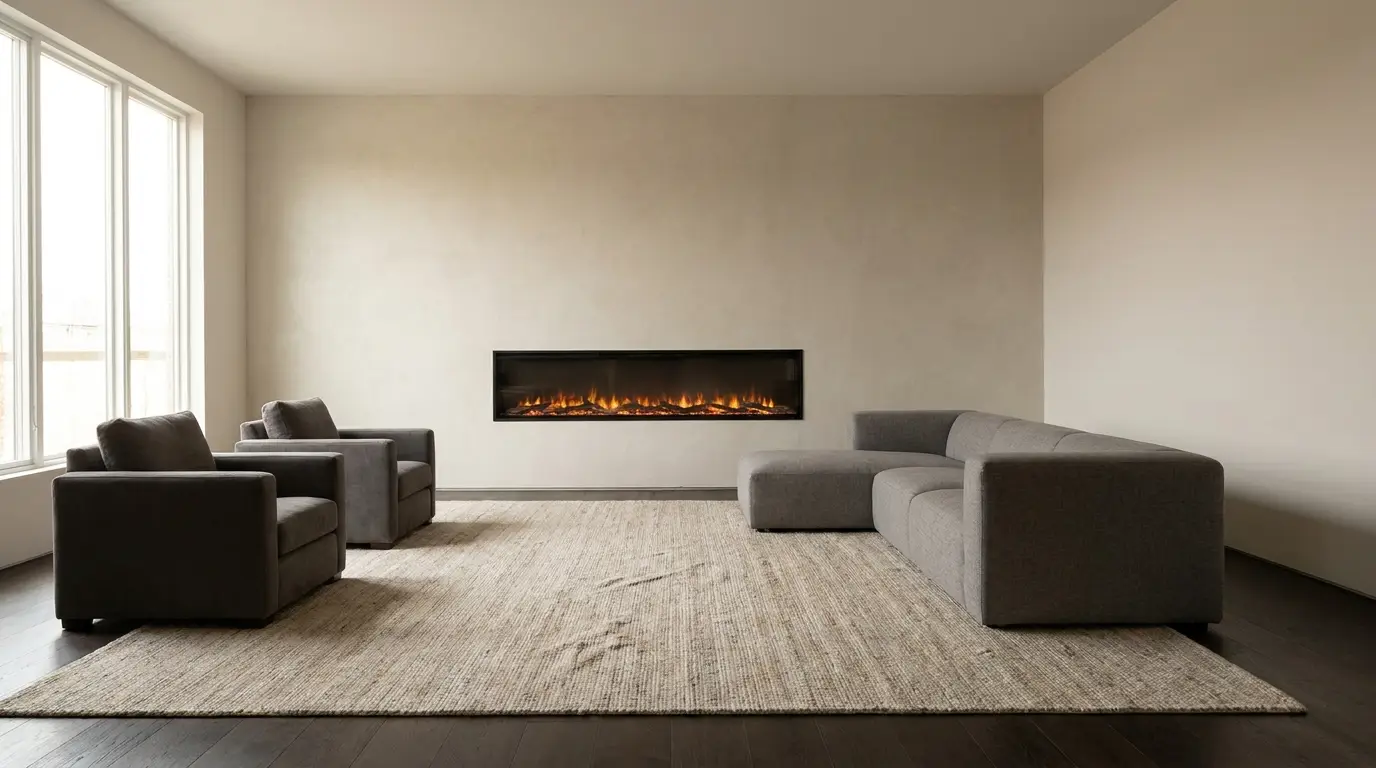
The positioning of furniture can enhance the fireplace’s role as the focal point of the room. In a living room setting, sofas and chairs can either face the fireplace or arrange themselves in a scattered way that facilitates conversation and forms a conversational area. There is no need to create symmetry of seating arrangements; however, the furniture should maintain comfortable pathways while making sure that the fireplace stays visible from the seating areas. Tables, side tables, and area rugs can serve as a way of defining the space and creating harmony among the elements.
Furthermore, the positioning of the furniture should also account for the room’s functional aspects. While at times, it is possible to have a TV sharing the wall with a fireplace, it must be kept in mind that such positioning might create the effect of cluttering and discomfort due to viewing angles. On the other hand, the TV could be placed somewhere else, giving two focal points their individual function. The homeowners will have to adhere to the manufacturer’s advice concerning clearance requirements and electronics installation.
Using Materials and Lighting
The fireplace wall is the area where texture and contrast can be utilized. A dark colour palette with light walls makes the feature pop. The use of natural stone or wood can also bring in contrast and texture into the room, especially with a neutral palette. Built-in shelves also enhance the feature, especially if books, framed photographs, or other decorative items are used but with moderation. Using existing materials within the same room can also help in integrating all elements of the interior. An example would be using the same type of wood in the mantelpiece as with the cabinets.
Lighting can enhance the focal point throughout the day. The recessed lighting can be used to illuminate the entire room, while wall sconces or strategic placement of the accent light will bring out the fireplace surround. The dimming light is another option which helps the room move from daylight mode to a night setting. Decor items should be chosen based on how large and heavy they appear, leaving sufficient room between the decor elements to avoid cluttering. Homeowners also need to consider any limitations on lighting fixtures, combustible materials, and decoration within the vicinity of the fireplace.
An electric fireplace is likely to make for a great focal point provided that everything is done properly in terms of its installation. A proper choice of location, correct proportions, suitable furniture layout, and the right choice of materials are all likely to contribute to creating an authentic look. Proper lighting and minimal decorations are sure to accentuate this feature, without compromising the functional aspects of the space. Through consideration of looks and functionality at the same time, one will succeed in designing a comfortable interior.