

You already have a perfectly good pair of frames. The temples fit right, the bridge sits where it should, and after enough time wearing them, they feel like part of your face. So when the prescription changes or a lens gets scratched, the instinct to replace just the lenses – not the whole pair – makes a lot of sense. Whether that instinct is actually the right call, though, depends on more than gut feeling. Lens replacement beats buying new prescription glasses in more situations than most people expect; it isn’t always the right move, but it’s right more often than people assume. The answer hinges on a few specific factors: your frame condition, how much your prescription shifted, and what problem you’re actually trying to fix. Getting clear on those factors saves both money and a fair amount of frustration.
When Lens Replacement Saves You Time, Money, and Frustration
Lens replacement is a genuinely underused option. Most people skip past it because they assume new glasses means new everything – frames included.Services like https://www.overnightglasses.com/new-lenses/ allow customers to send in their current glasses and have new prescription lenses fitted, providing an alternative to purchasing an entirely new pair when the frames are still in good condition. For anyone who’s invested in a quality pair – designer frames, titanium, or a style that took real time to track down, the math shifts quickly toward replacement. A new pair of prescription glasses at a standard optical shop can run $300 to $600 or more depending on the frame brand and lens add-ons. Replacing the lenses in frames you already own often costs a fraction of that, and you walk away with the same fit, the same look, and updated optics. The catch is that it works best under specific conditions, which the next two subsections cover.
Your Frames Still Fit Well and Hold Their Shape
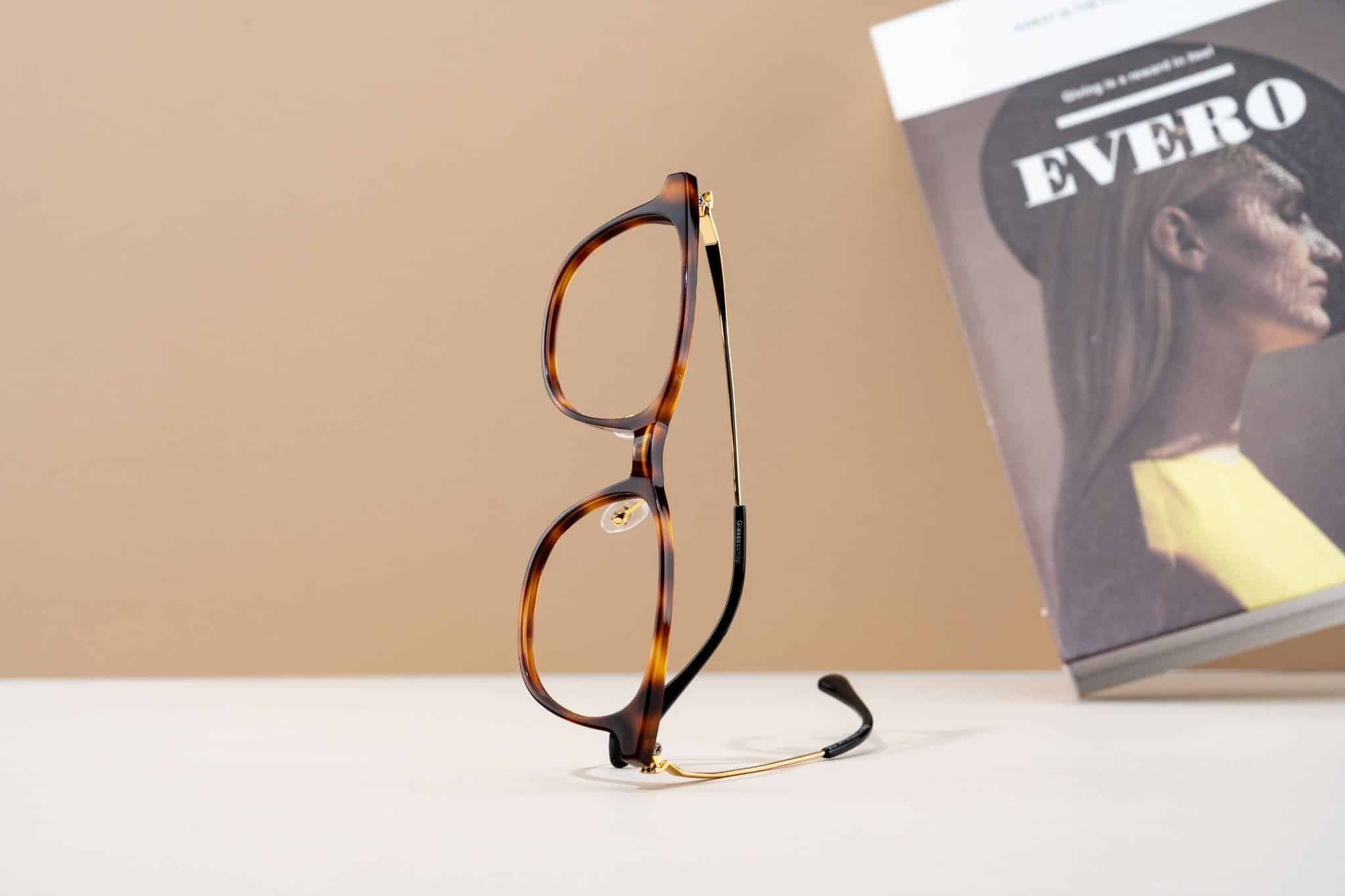
Frame integrity matters more than most people realize when they’re weighing lens replacement. A well-maintained frame – no warped temples, cracked bridge, or worn hinges – holds new lenses securely and keeps them aligned with your pupils. If your frames are already adjusted correctly to your face, a skilled lab tech can pop out the old lenses and fit new ones without disturbing any of that geometry. You don’t lose the adjustment, and there’s no need for a separate fitting appointment. This is especially true for frames made from titanium or high-quality acetate, which hold their shape reliably over years of wear. It’s also worth thinking about for people who wear designer frames they genuinely like and couldn’t easily replace in the same style. Honestly, if your frames are under four years old and still sit snug and even on your face, lens replacement is almost always worth pricing out before you commit to a whole new pair.
The Prescription Change Is Minor or Specific
A prescription update doesn’t always mean a dramatic visual overhaul. Sometimes it’s a small spherical shift, an added cylinder value for mild astigmatism, or a minor tweak to the axis – changes that leave your current frames optically compatible with the new prescription, because the base curve and lens diameter requirements haven’t moved much. Replacement makes complete sense in those cases. The same logic holds if you’re adding a coating upgrade – anti-reflective or blue-light filtering, to lenses that have become worn or scratched; you want the optical improvement without paying for new frames to go with it. So if your eye doctor hands you an updated prescription that’s only a modest change from what you’re currently wearing, don’t automatically assume you need a full new pair. Ask whether your current frames can accommodate the new prescription. In most cases where the change is incremental, they can.
When Buying New Glasses Makes More Sense
Lens replacement isn’t the right answer every time. There are situations where a fresh pair of frames with new lenses is the smarter investment, and recognizing them early saves you from spending money on a replacement that won’t actually solve your problem.
The Frames Are Damaged Beyond the Lenses
Bent temples, a cracked frame front, hinges that won’t stay tight, a nose bridge that no longer holds its shape, these are signs the frames have hit the end of their useful life. A new lens dropped into a compromised frame won’t sit correctly; the optical center won’t align with your pupil, and that misalignment causes eye strain, distortion, and headaches. And practically speaking, many labs will refuse to cut new lenses for frames that are too fragile or warped, because the risk of cracking during fitting is too high. But here’s the thing: if your frames show these problems, the frame is the issue, not the lens. Buying new glasses gives you a structurally sound base and a properly calibrated fit. Doing a replacement in this situation costs you money without delivering the visual clarity you need.
Your Prescription Has Changed Significantly
A large prescription change can require a different lens design altogether. High myopia, newly diagnosed bifocal or progressive needs, or a significant jump in astigmatism correction can all push the prescription outside what your current frames handle well. Frames with small apertures don’t pair well with strong progressive lenses, there simply isn’t enough vertical space for the reading zone to function correctly. Similarly, high-index lenses needed for strong prescriptions carry different thickness and curvature profiles than standard lenses, which can introduce optical distortion if the frames weren’t designed with that in mind. An optician can tell you quickly whether your current frames are compatible with the new prescription’s lens requirements. But if the prescription has moved far enough that the lens type needs to change, new frames chosen specifically for that prescription will deliver a far better visual result than forcing new lenses into old frames that weren’t built for them.
Conclusion
The decision between lens replacement and a new pair of prescription glasses comes down to two things: the condition of your frames and the nature of your prescription change. When your frames are structurally sound and the prescription update is modest, lens replacement is faster, cheaper, and preserves a fit you already know works for your face. But when frames are damaged or the prescription has shifted considerably, new glasses offer a better optical result and a more stable long-term investment. The practical rule is simple, check the frames first. If they’re in good shape, price out lens replacement before you default to buying new; you’ll often find it’s the more sensible path by a decent margin.