


A gourmet ice cream shop near campus has a short window to turn curiosity into a habit. Students juggle changing schedules and short breaks, so convenience matters when they choose a place for a treat. A memorable flavor helps, but repeat visits also depend on a clear menu and a pleasant ordering experience. For shop owners, the first challenge is making the shop easy to find and convenient enough to fit into a student’s daily routine.
Make the First Visit Easy
In a college town, a student looking for ice cream might consider Clementine’s Creamery in Columbia alongside other nearby choices. Before choosing a stop, students need to know how easily they can reach the shop and if its opening hours work around their classes. Clear answers make a first visit easier to plan and give friends a convenient place to meet.
Owners should keep posted hours current and make the entrance easy to spot. A readable menu near the door helps a group decide whether to join the line. These details matter when customers have a short break between classes.
Give Flavors a Clear Identity
Gourmet ice cream earns attention when customers can distinguish one flavor from another without a long explanation. Menu descriptions should name the main ingredients and explain unusual pairings in plain language. Customers who know what to expect can order with confidence.
A familiar flavor gives hesitant visitors a starting point, while a rotating choice gives regulars a reason to return. Staff should know which ingredients define each flavor and be ready to answer allergen questions. When an answer is uncertain, checking the ingredient information is better than guessing.
Fit Visits Into Campus Routines
Class breaks, study sessions, and evening meetups give students different reasons to stop for dessert. Owners can watch when groups arrive and schedule enough staff for the busiest periods. A shorter wait leaves customers more time to enjoy their visit.
Hours should reflect demand without promising service the shop cannot consistently provide. Before changing the schedule, an owner can compare sales and customer traffic over several weeks. Prompt updates to posted hours help students avoid a wasted walk, especially during school breaks when routines change.
Keep Service Consistent Under Pressure
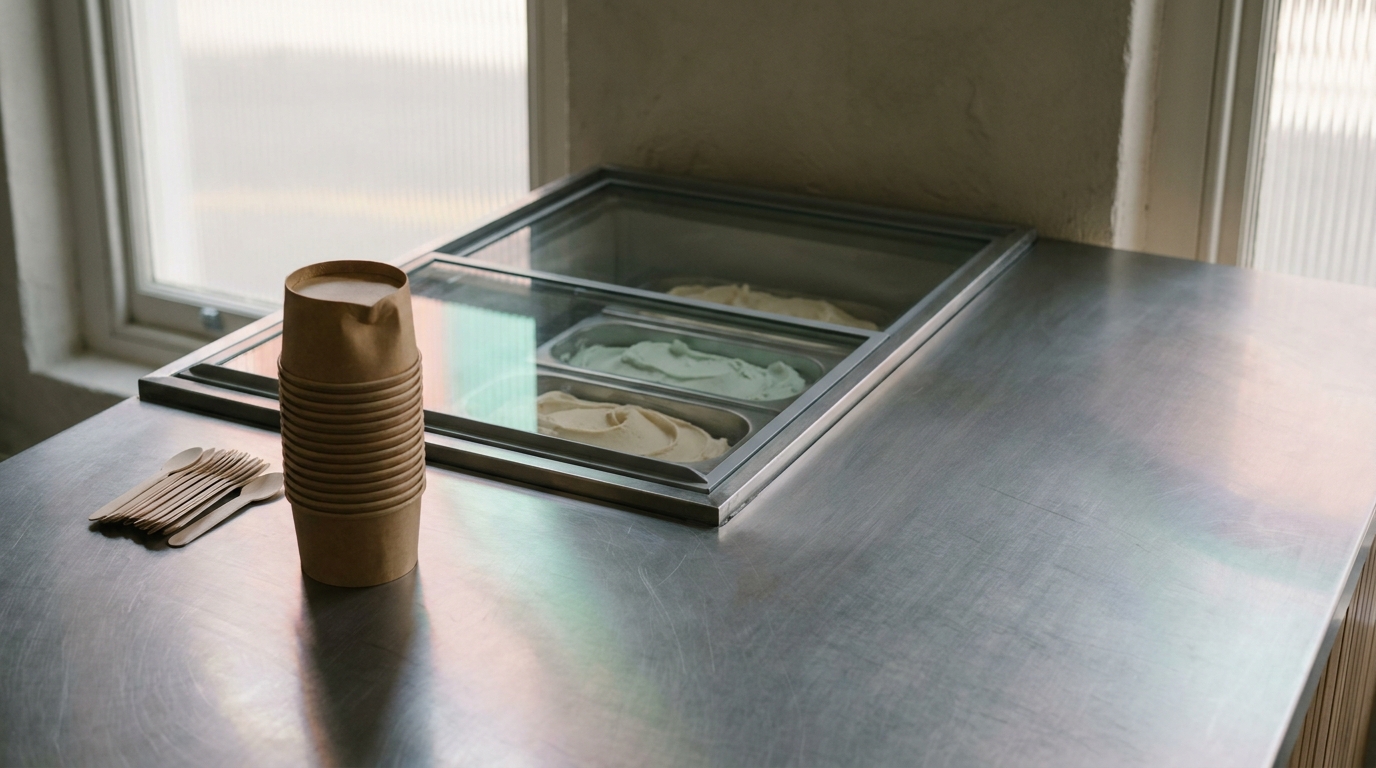
Fast service means little if orders are inaccurate. Customers should be able to read the menu before ordering and see where the line begins. Staff can prepare cups, spoons, and other supplies before a rush instead of interrupting service to restock.
The order itself matters just as much. Customers expect the flavor they chose and a portion that matches the menu description. When a mistake happens, a prompt correction gives employees a chance to recover trust. A record of recurring problems can also reveal gaps in training or staffing.
Give Groups a Reason to Return
A campus visit is frequently a group decision. Friends need a place where they can choose quickly, talk, and leave without blocking the counter. Seating should leave a clear route for customers who are ordering or picking up a treat.
A new flavor or limited run gives regulars something to share when suggesting another visit. An announcement should state when the flavor is available and avoid promising stock that has already sold out. Accurate updates make it easier for groups to plan their visits and avoid disappointment.
Track Repeat Visits and Feedback
A busy opening does not prove that customers will return. Owners can compare sales across similar days and notice whether familiar faces come back after the initial rush. Staff feedback adds context, including questions that slow the line and flavors customers request but cannot find.
A loyalty program is another option if its terms are easy to understand. Owners should check whether customers use their rewards and whether the cost fits the shop’s budget. A simple comment card or brief conversation can also reveal why someone chose the shop.
Conclusion
A loyal crowd starts with a visit that is easy to repeat. An owner can begin by watching a busy service period and following the customer experience from the entrance to pickup. It helps to note where people hesitate, what they ask, and how long the line stays crowded. The next step is to choose one fix, such as a clearer menu or earlier restocking, then measure its impact during the next similar rush.