Fast travel turns meals into refueling stops, much like scrolling through Shenzhen Gadgets to grab the latest tech on the go—efficient, impressive, but rarely savored.
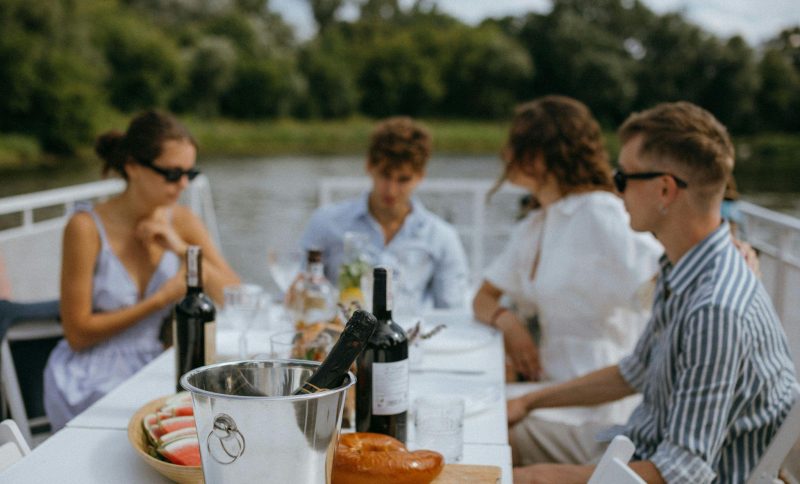
When movement eases, food regains its place as part of the journey rather than a pause between destinations. Nowhere is that more evident than on Europe’s rivers, where meals unfold at the same pace as the scenery.
River cruises don’t chase novelty for the sake of it. They build menus around geography, seasons, and regional habits. Breakfast changes as borders shift. Lunch reflects the riverbanks passing outside. Dinner becomes a quiet summary of the day. This is not about excess or theatrics. It’s about meals making sense again.
Breakfasts That Set the Tone, Not the Clock
Mornings on a river cruise in Europe don’t begin with alarms or queues. They begin with light, routine, and choice. Before diving into specific regions, it’s worth noting how breakfast operates on these journeys: open seating, long windows, and menus designed to ease you into the day rather than push you forward.
Continental Staples With Regional Logic
A European river breakfast always includes familiar ground—fresh bread, butter, jams, pastries—but the details shift as the river moves. Along the Rhine, dense rye breads and local cheeses dominate. On the Danube, spreads lean softer, with honey, yogurt, and seasonal fruit.
This isn’t accidental variety. Cruise chefs source locally and adjust daily, so breakfast quietly teaches geography before you even step ashore. Coffee quality remains high and consistent, a detail seasoned travelers learn to value quickly.
Cooked Options That Stay Balanced
Eggs, sausages, and warm dishes appear without overwhelming the table. Austrian-style sausages replace smoky German ones. French-style omelets arrive lighter, paired with herbs rather than heavy sides.
The restraint matters. You leave breakfast satisfied, not weighed down, which changes how the rest of the day feels. Meals become markers, not obstacles.
Lunches That Follow the River’s Rhythm
Lunch on a river cruise is where the connection between place and plate becomes most visible. Unlike destination restaurants, these meals adapt daily to where the ship has been, not just where it’s going. There’s continuity, but no repetition.
Market-Inspired Menus Along the Rhine
Cruising the Rhine often brings lunches built around regional produce. Think asparagus in spring, mushrooms in autumn, freshwater fish paired with light sauces. Portions stay moderate, allowing for afternoon walks without regret.
Wine pairings lean local, with Rieslings from nearby slopes appearing naturally rather than as a sales pitch. Meals feel composed, not curated for show.
Mediterranean Influence on Southern Routes
Further south, lunch lightens further. Olive oil replaces butter. Salads grow sharper, brighter. Simple grilled proteins take center stage, often finished with herbs rather than sauces.
On Rhône and Seine itineraries, French technique keeps everything precise without drifting into formality. Lunch becomes a pause that sharpens appetite rather than dulling it.
Dinners That Reflect Where You Slept, Not Where You’re Headed
Dinner on a river cruise arrives without rush. There’s no need to clear tables for the next seating. Conversations stretch, courses follow naturally, and the river outside continues its quiet movement.
Before breaking down specific dinner styles, it’s important to note one difference from ocean cruising: menus are designed to mirror the day behind you, not sell anticipation for tomorrow.
Central European Classics Done Cleanly
On the Danube, dinners often nod to regional traditions without leaning into nostalgia. Viennese influences show up in lighter schnitzel interpretations. Hungarian paprika appears with restraint, adding warmth rather than heat.
Desserts matter here. Apple strudel, poppy seed cakes, and layered pastries close the meal without excess sugar or decoration. Sweetness feels earned, not imposed.
French Routes and Structured Elegance
French river cruises treat dinner as an exercise in balance. Multi-course meals move from clean starters to composed mains and measured desserts. Sauces stay refined. Presentation remains neat, never theatrical.
Cheese courses appear naturally, paired with regional wines. Dining rooms remain relaxed, proving that formality doesn’t require stiffness.
Fine Dining Without the Performance
Fine dining on river cruises doesn’t announce itself. There are no spotlights, no overly long explanations, no tableside drama. Quality shows through consistency, sourcing, and restraint.
Ingredient-Led Cooking
Menus prioritize what’s fresh and available near the riverbank. Fish reflects local waters. Vegetables arrive in season. Herbs change subtly between regions.
This approach keeps meals grounded. You taste where you are, not a chef’s ego.
Service That Knows When to Step Back
Service on river cruises leans observant rather than intrusive. Glasses are refilled without interruption. Plates arrive on cue, not on command. Conversations remain uninterrupted.
That quiet professionalism changes the atmosphere. Dining becomes personal, not performative.
Wine, Beer, and Regional Pairings That Make Sense
Alcohol on river cruises isn’t about abundance. It’s about context. Wines, beers, and spirits follow geography as closely as the food.
Vineyard-to-Table Along the Rivers
Cruising past wine regions changes how you drink. A Mosel Riesling tastes different when the vineyard sits above your window. Austrian Grüner Veltliner feels sharper after walking its soil earlier in the day.
Pairings feel intuitive, not instructional. You drink because it fits, not because it was recommended.
Beer and Local Traditions
In Central Europe, beer appears naturally at lunch and dinner. Lighter lagers suit daytime meals. Darker styles arrive later, paired with heartier dishes.
This integration keeps alcohol part of the meal, not the focus of it.
Dining as Part of the Travel Memory
What lingers after a river cruise isn’t a single standout dish. It’s the accumulation. Breakfasts that matched the morning light. Lunches that reflected the shore you just left. Dinners that closed the day gently.
Slow travel allows meals to settle into memory properly. Nothing is rushed. Nothing competes for attention. Food becomes part of the narrative rather than a highlight reel.
Eating your way through Europe by river isn’t about indulgence. It’s about alignment. Time, place, and appetite move together. That harmony is what makes every meal matter—and why, long after the journey ends, flavors return before landmarks do.