Many households face one challenge in common: food wastage, often caused by poor organisation, improper storage and food spoilage. This problem can be addressed by a simple yet effective solution, which is proper food containers. Keep reading to understand how these containers improve visibility, preserve food quality and support better food management.
Improving visibility and organisation
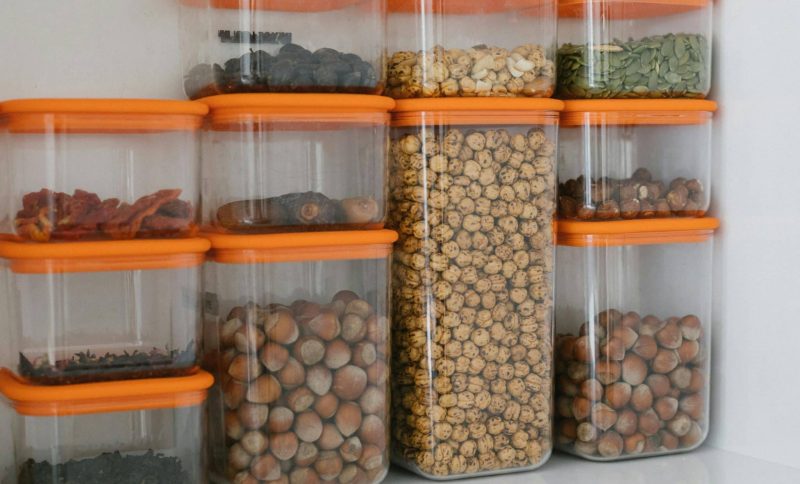
You can improve organisation in cupboards and refrigerators by using suitable containers, which creates a structured and easy-to-manage storage system. Investing in labelled or clear containers helps household members or visitors to quickly identify containers and their contents without the need to open each one. This eliminates the likelihood of food being overlooked or forgotten.
A well-organised storage unit also simplifies meal planning, since the cook or anyone in the kitchen can identify ingredients at a glance. For instance, food storage containers from Pyrex offer clarity and durability, making it easier and quicker to monitor freshness and food levels. When food visibility is good, it reminds household members to use older items before opening or using newly bought food, helping manage food more effectively and eliminating unnecessary waste.
Prevent spoilage and preserve freshness
Food storage containers are essential tools in maintaining food freshness by developing a protective layer against external contaminants, air and moisture. Airtight food containers slow down oxidation by reducing oxygen exposure, which is a leading cause of spoilage in cooked and raw food.
Using proper sealing helps prevent moisture buildup or loss, preserving food taste and texture. The fact that containers can maintain nutritional value and prolong the overall quality of food for a long time makes them a suitable solution to discarding food prematurely.
Promoting sustainable household habits
When you store ingredients and food (raw and cooked) properly, they remain usable for long, reducing frequent grocery trips. The meal plan will be effective and purchases will only be necessary. The tendency to go shopping will decrease as foodstuffs remain fresh. To some extent, this supports better control of spending while reducing waste.
Households using reusable food storage enjoy sustainable practices as it eliminate over-reliance on single-use packaging like disposable bags and plastic wraps. The amount of packaging waste generated over time will reduce if each household uses durable containers. This approach encourages long-term cost savings while supporting environmental responsibility.
Minimising cross-contamination
Many families are using food storage containers to mitigate cross-contamination in the kitchen. Proper storage facilitates clear, separate, designated containers for cooked and raw, preventing the spread of bacteria. A well-sealed container minimises spills and leaks, limiting the risk of ready-to-eat food being exposed to raw juice.
This separation approach supports better hygiene routines, especially when storing leftovers, meat, cereal and/or seafood in the same refrigerator space. Appropriate containers also ensure that cleanliness during preparation, storage and removal is maintained.
Choosing the right food container material
The right container material is as vital as the food inside, for safety and durability. Available materials range from plastic and glass to silicone. Glass containers are highly appreciated for their non-reactive nature, strength and resistance to odours and stains. They are suitable for storing both cold and hot foods since they don’t absorb flavours. While it can be heavier and more fragile, glass containers are perfect for reheating (they don’t release chemicals when hot).
Silicone and Plastic food containers provide different types of benefits. Silicone containers are durable, flexible and resistant to high temperatures. This makes them perfect for reheating and freezing. Plastic containers, on the other hand, are affordable, convenient and lightweight. While plastic can release chemicals when hot, high-grade, food-safe plastics offer minimal to no chemical leaching.
Takeaway
Food storage containers play an essential role in mitigating wastage at home. By improving organisation, preserving freshness and supporting safe handling, containers help households to manage food properly. Choose the right food container material to encourage sustainable habits and better resource use.