You notice it as soon as you step behind a café counter on a busy weekend morning. The cooler hums, and the door swings often, and the air feels colder at your knees. When that unit struggles, you feel it fast in warm milk and rushed prep decisions.
I learned that lesson during a friend’s charity bake sale, where we borrowed a small reach in cooler. It handled the early hours, then it lagged after openings and warm trays resting close. That is why many kitchens lean on long time refurbishers like Ancaster Food Equipment for dependable cold storage.
Match The Unit To Your Menu And Your Pace
A sandwich shop moves through produce, meats, and dairy all day, so access stays constant. A bakery often needs steady freezer space for dough, butter blocks, filled pastries, and backup fruit. The best fit depends on what you store and how quickly hands reach for it.
I worked a pop up where the cooler sat behind a prep table near the pass. It sounded fine, yet staff had to pivot around each other all shift, and temp checks felt tense. Since the door opened less, the unit stayed steadier and the line felt calmer all day.
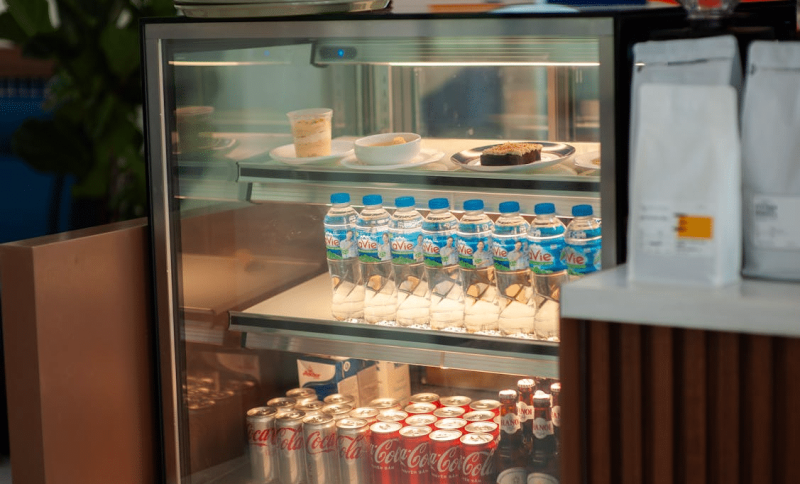
Glass doors feel helpful when people grab items every few minutes, and they can cut open door time. Solid doors can hold colder temps in a hot kitchen, especially when ovens run hard. Either way, the gasket seal and the closing action matter more than the door style.
Temperature Control That Stays Steady During Rush Hours
Most units reach the right number overnight, yet busy service is the real test of stability. Repeated door openings pull warm air inside, and recovery time shapes whether food stays safe. That is why fast rebound matters more than a dramatic low setting during real service.
Airflow matters here, and I have seen warm pockets form when boxes block the back wall vents. The front shelves stayed cold, yet the rear corner crept warmer through the afternoon under pressure. With dairy or cooked proteins, that drift can shorten shelf life and raise stress quickly.
Some kitchens keep a temperature log, and it sounds dull until you need it during audits. A simple record helps spot a gasket issue or a condenser that needs attention soon. The FDA Food Code covers cold holding and monitoring, and it is a solid reference for teams.
Digital displays help, and they make quick checks feel less like guessing under pressure daily. A tight seal and stable airflow still do most work, especially when doors open constantly. After a few steady weeks, you stop thinking about the cooler, which feels like relief.

Build Quality That Survives Real Kitchen Wear
Commercial refrigeration lives around steam, grease, and people moving fast between stations during service. Doors get bumped by trays, and shelves carry loads that change hour to hour during service. So the feel of hinges, latches, and gaskets ends up telling you plenty at once.
I have watched a cooler door bounce open during service because the closer was tired and loose. Nobody noticed at first, and the compressor ran longer and louder through the whole afternoon. A strong self closing door saves you from that quiet waste and extra heat daily.
Interiors matter for cleaning, and stainless tends to wipe down without holding smells after spills. Rounded corners help too, because crumbs and drips do not hide as easily after service. When the inside feels simple to clean, it happens more often between rushes each day.
Energy Use, Heat, And The Monthly Bill
Energy cost shows up on your bill, and it also affects kitchen comfort during long shifts. A hard working unit releases heat, and then the room feels warmer for everyone on shift. In summer, that extra heat can make prep feel slower and more tiring for everyone.
Efficient compressors, solid insulation, and tight gaskets help, and lighting choice matters too during long days. LED lights add less heat than older bulbs, so the interior stays cooler during open door moments. Those small details can save hours of run time across a month without touching your menu.
ENERGY STAR explains factors for commercial refrigeration that make comparisons clearer for owners in plain language. It also makes cost planning feel steadier when you are juggling rent, labour, and ingredients.
The budget side is not only purchase price, because repairs and parts add up over years. Gaskets, fan motors, and door hardware wear down faster in kitchens with heavy traffic each year. A unit that runs fewer hours each day can feel calmer and cheaper over time.
New, Used, Or Refurbished Without Regret
Plenty of small food businesses buy used or refurbished units, and it can be a smart move. The value is real when a unit has been tested under load and cleaned properly. What matters is predictable performance when weekends get hectic and the kitchen feels packed and loud.
True® glass door coolers and freezers show up in cafés often, and parts are usually easy to source. Still, the model has to fit your doorway, and the door swing has to match your space. I watched a team wrestle a unit for an hour, then realise it could not clear.
It helps to keep a short set of questions ready, because excitement can cloud judgment fast. You want clear answers on what was replaced and how the unit was tested before money changes hands. These questions tend to surface problems early, and they keep surprises away after delivery day.
- What temperature range did it hold during a long test, and did recovery stay quick after openings.
- Which parts were replaced, and are those parts easy to source in Canada and the USA.
- What warranty terms apply, even if short, and what is covered under normal service conditions.
- What cleaning and maintenance schedule fits your kitchen, based on grease levels and daily door use.

Practical Wrap Up For Smarter Cold Storage
Good refrigeration keeps ingredients safe, and it also keeps prep calmer when the day gets crowded. The right unit fits your menu, holds temp through door traffic, and cleans up without drama. When those basics are right, service feels steadier and food waste drops without extra effort.
Once a unit is in place, simple routines protect your money and your food week after week. Condenser cleaning, gasket checks, and steady temperature logs catch issues before they become spoilage in time. Then the cooler hum stays in the background, where it belongs, and your team breathes easier.