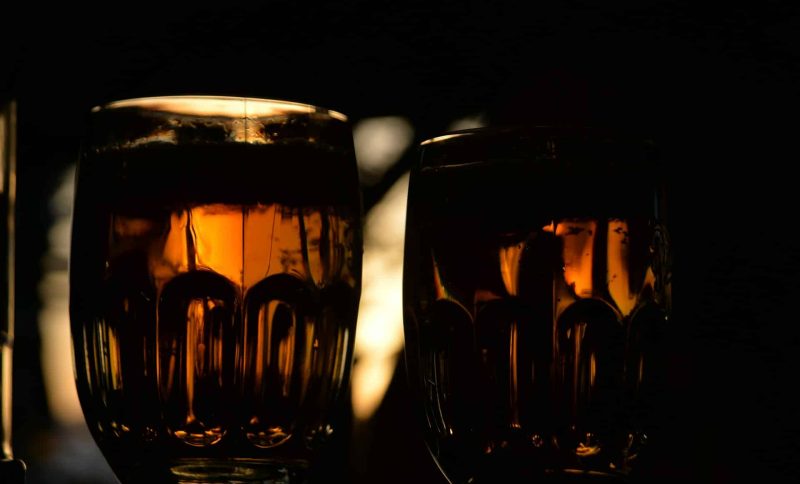
Alcohol intolerance can feel confusing at the start. You take a few sips, and your body reacts right away. It does not feel like a normal buzz. It just feels wrong. Many people brush it off and blame stress or a bad day. After it happens a few times, a pattern slowly shows up.
This is not about control or drinking too much. It is not your fault. Your body is simply reacting to something in the drink that it does not like. Once that clicks, everything feels easier to understand.
Early signs that are easy to miss
Some signs feel small at first. Your face may feel warm or flushed. Your nose may feel blocked. Your heart may beat faster than usual. These things can show up within minutes.
Because the signs feel mild, they are often ignored. People push through them. They think it is normal. Over time, the reactions may feel stronger. That is when people start paying attention.
Skin reactions after drinking
Skin reactions are very common. Red patches may appear on the face or chest. Some people feel itching. Others feel heat under the skin. These reactions can feel uncomfortable.
The skin reacts because it is sensitive. Certain compounds in alcohol can trigger this response. The body struggles to handle them. This shows up clearly on the skin.
Stomach and digestive discomfort
The stomach often reacts early. You may feel bloated. Nausea may appear quickly. Some people feel cramps or discomfort. Appetite may disappear after just one drink.
This reaction is not random. The digestive system is sensitive to irritants. Alcohol can carry compounds that upset it. When digestion feels off, enjoyment fades fast.
Head pressure and mild headaches
Head pressure is another sign. It does not feel like a hangover. It feels tight and dull. Sometimes it starts behind the eyes. Sometimes it feels like heaviness in the head.
This can happen even after one drink. The body struggles to process certain compounds. Blood vessels may react. That pressure is your body signaling discomfort.
Fatigue that arrives too soon
Feeling tired right after drinking is common. You may want to sit down. Energy drops quickly. Social moments feel harder to enjoy.
This tired feeling is different from late-night fatigue. It arrives too fast. It feels heavy. This is another sign that the body is not handling the drink well.
Anxiety or unease after alcohol
Some people feel anxious after drinking. Thoughts may race. The body feels restless. Sleep may feel shallow later. This reaction can be confusing.
Alcohol intolerance can trigger this response. The nervous system becomes sensitive. The body feels unsettled. This can affect mood more than expected.
Why alcohol intolerance happens
Alcohol intolerance is not about alcohol itself. It is often about what comes with it. Many drinks contain histamines, sulfites, and other compounds. These can irritate the body.
Some people are more sensitive to these compounds. Their body does not break them down easily. The reaction feels fast and uncomfortable. This is where the problem often starts.
Why can it develop over time
Alcohol intolerance can appear later in life. You may have enjoyed drinks before. Then reactions slowly start. This change feels frustrating.
Bodies change over time. Sensitivities can grow. Stress, health shifts, and environment play a role. What worked before may not work now.
Why switching drinks does not always help
Many people try changing alcohol types. Wine to beer. Beer to spirits. Sometimes this helps a little. Often it does not solve the problem.
That is because the issue is not just alcohol strength. It is the compounds inside the drink. These can exist across many types. Switching drinks may only delay the reaction.
Listening to your body instead of pushing through
Ignoring symptoms often makes things worse. The body keeps reacting. Enjoyment fades. Social moments become stressful.
Listening early helps. Noticing patterns matters. Which drinks cause issues? How fast reactions appear. Awareness is the first real step forward.
Slowing down and drinking less
One way to manage intolerance is to slow down. Smaller sips help. Drinking water between drinks helps. This gives the body more time.
While this does not remove irritants, it reduces overload. Some people feel better with this approach. It helps reduce the intensity of reactions.
Choosing cleaner drink options
Some drinks feel easier on the body. Lower additive options may help. Fresh ingredients can make a difference. Still, results vary by person.
This approach takes trial and error. It requires patience. It helps some people but not all. Sensitivity levels differ.
Supporting your body before and after
Eating before drinking helps. Hydration matters. Rest supports recovery. These steps reduce strain on the body.
They do not remove irritants. They help the body cope better. For many people, this improves comfort slightly. It is part of a balanced approach.
Filtering the drink instead of the body
Another option is focusing on the drink itself. Some people use a drink purification product like ALKAA. It works by filtering common irritants before the drink is consumed.
This approach does not change the alcohol content. It does not treat the body. It simply reduces compounds that often cause discomfort. For some people, this makes drinking feel easier.
Why no single alcohol intolerance remedy work for everyone
Alcohol intolerance remedy approaches vary. What helps one person may not help another. Sensitivities are personal. Bodies respond differently.
This is why experimentation matters. Small changes add up. Awareness guides better choices. Comfort becomes the goal instead of pushing limits.
Accepting new limits without guilt
It can feel disappointing at first. Social habits change. Expectations shift. This is normal.
Accepting limits does not mean missing out. It means choosing comfort. It means enjoying moments without discomfort. That mindset shift matters.
Social situations and honest choices
Explaining alcohol intolerance can feel awkward. You do not owe anyone an explanation. Choosing what feels right is enough.
Some people drink less. Some skip certain drinks. Some take breaks. Social enjoyment does not depend on alcohol.
Learning what your body prefers
Over time, patterns become clear. Certain drinks feel worse. Certain moments feel harder. This knowledge helps future choices.
Keeping things simple helps. Fewer drinks. Cleaner options. Slower pace. These small steps support comfort.
Alcohol intolerance and long-term comfort
Living with alcohol intolerance does not mean giving up joy. It means adjusting habits. It means choosing what feels good.
Comfort becomes more important than tradition. Listening replaces forcing. This leads to better experiences.
Final thoughts on understanding your reactions
Alcohol intolerance is your body communicating. The signs are real. They deserve attention. Ignoring them rarely helps.
Understanding the signs brings clarity. Small changes bring relief. The goal is comfort, not perfection. When the body feels respected, social moments feel better too.