

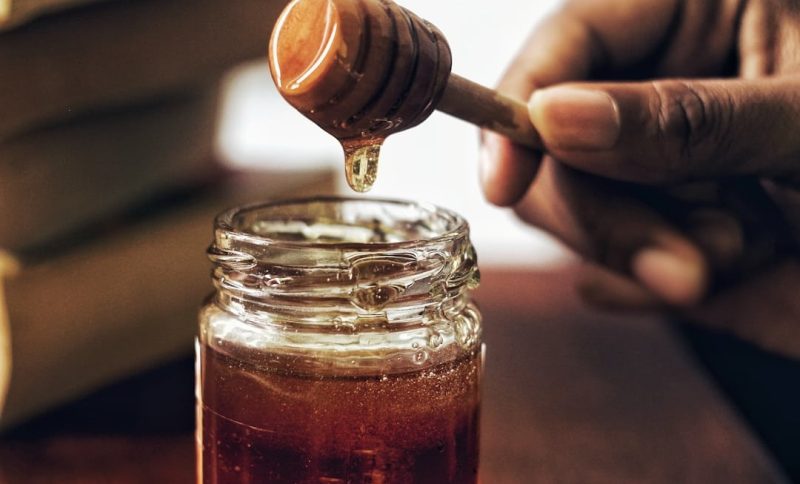
Local honey isn’t just a sweet treat; it’s a product steeped in regional flavors and the hard work of dedicated beekeepers. With a growing interest in sustainable living and natural food sources, consumers are increasingly searching for honey produced in their local environment. By opting for local honey, consumers can enjoy a host of benefits from allergy relief to supporting the local economy and enhancing food sustainability.
Whether for its health benefits, culinary uses, or to support local businesses, sourcing local honey can be a fulfilling venture. Below, we explore various avenues for finding authentic local honey and guide ensuring its quality and purity.
Building Relationships with Local Beekeepers
Establishing a connection with local beekeepers can provide a more in-depth perspective on where your honey comes from. Most beekeepers are passionate about their craft and are usually more than willing to discuss their apiaries and the types of honey they produce.
Building relationships with these artisans can lead to opportunities for bulk purchases, custom orders, or even tours of their apiaries. For instance, at a Pennsylvania honey farm, you might discover a variety of honeys derived from local wildflowers, each with its own distinctive character. This deeper understanding enhances the appreciation of the product and the work that goes into producing it.
Seek out beekeeping clubs, associations, or networks in your area to connect with local beekeepers. Attending beekeeping workshops or symposiums can also be valuable for establishing these connections. Once you find a beekeeper whose products you enjoy, consider setting up a recurring purchase plan or subscribing to their newsletters for updates and exclusive offers.
Exploring Local Farmers’ Markets for Authentic Honey
Farmers’ markets are a treasure trove for those looking to source authentic local honey. They offer a direct channel to purchase products that are not only fresh but also traceable to a specific locale. These markets often showcase a diverse range of honey, each with distinctive tastes influenced by the regional flora.
By visiting these markets, you not only see the honey available but also get the chance to meet and interact with the producers. Conversations with vendors can reveal insights into their beekeeping practices and the unique qualities of the honey they offer. These discussions can enhance the buying experience and assure the honey’s local origins.
To find the best local honey at farmers’ markets, research when and where markets are held in your region. Attend regularly, sample different offerings, and ask about the sources of nectar. Engage with vendors to learn about their harvesting processes, as this can affect the flavor and quality of the honey you purchase.
Verifying the Purity of Local Honey Through Lab Tests
While local honey has many merits, concerns about authenticity and adulteration prevail. Consumers often want assurances that the honey they are buying is pure and free from additives. Lab testing for honey purity can provide this peace of mind.
Tests such as pollen analysis or isotope ratio mass spectrometry can determine if the honey has been mixed with sugar syrups or sourced from places other than claimed. These tests can identify the geographic origin of the honey and confirm that you are indeed buying local. Reputable local producers may have already conducted such tests and should be willing to share the results.
When in doubt about a honey’s purity, consider investing in lab testing from a reliable food safety laboratory. Ask local beekeepers or honey distributors if they have verifiable test results, or contact accredited laboratories that specialize in food authenticity to perform this analysis for you.
Participating in Community-Supported Agriculture Programs for Honey Access

Community-Supported Agriculture (CSA) programs are an excellent way to access local honey while directly supporting beekeepers and sustainable agriculture. CSAs often offer shares of a beekeeper’s seasonal honey yield, giving members a variety of honey throughout the year.
In these programs, consumers typically pre-purchase a share of the honey harvest, providing beekeepers with upfront capital to manage their apiaries effectively. Members then receive periodic deliveries or pickups of honey, which may include different varieties based on the season and floral sources.
To participate in a CSA for local honey, research available programs in your community, or ask at farmers’ markets and local health food stores for recommendations. Signing up often involves a subscription fee, but it guarantees a steady supply of local honey and fosters a closer relationship with the food you consume and the people who produce it.
Altogether, sourcing local honey comes down to being informed, proactive, and engaged with the community. By exploring farmers’ markets, establishing relationships with local beekeepers, verifying the purity of honey through lab tests, and participating in CSA programs, consumers can enjoy the full spectrum of benefits that come with consuming local honey. These efforts not only enhance individual well-being but also contribute positively to local economies and sustainable agriculture.


