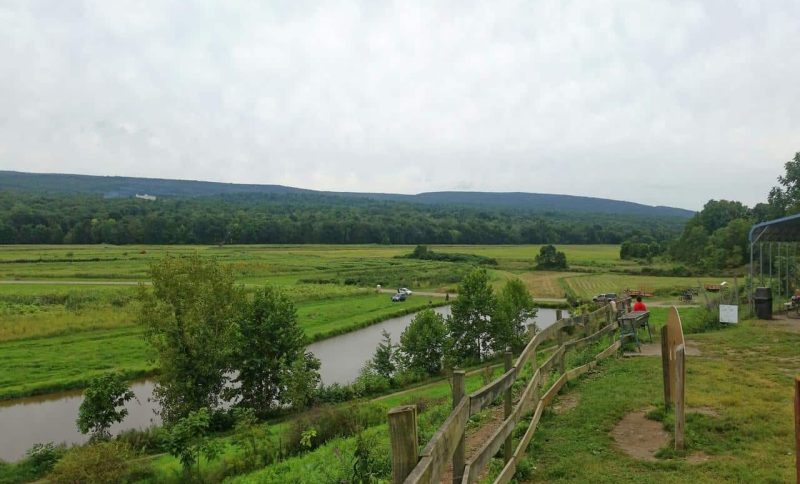
The Hudson Valley has always had a good, fertile farmland, a river running through it, and a population that takes food seriously. But something bigger is happening here now.
Chefs, farmers, foragers, and entrepreneurs are building a food culture that doesn’t just celebrate homegrown ingredients; it rethinks what a meal can mean. Here’s how:
Farm-to-Table Grew Up
In this region, farm-to-table isn’t a marketing angle; it’s the operating model. Restaurants like The Maker in Hudson maintain direct relationships with specific farms, sometimes adjusting their menus weekly based on what’s ready to harvest.
The result? Dishes you genuinely can’t find anywhere else, at any other time of year. When a chef knows the farmer by name and visits the fields regularly, the food reflects that relationship. It shows up in how a dish is seasoned, what gets featured, and what gets left off the menu entirely when the quality isn’t there.
Chefs Are Treating the Region Like a Pantry

The best kitchens here don’t shop regionally; instead, they forage, hunt, and grow. This hyper-local sourcing pushes creativity in a real direction: you cook what exists, not what you planned. It also produces menus that shift constantly, keeping regulars coming back and giving the kitchen a reason to stay sharp. In practice, that looks like:
- Foragers delivering ramps, black trumpets, and pawpaws that never see a distributor’s truck.
- Some chefs step outside mid-service to cut herbs straight from their garden; what ends up on your plate was growing minutes earlier.
- Standing arrangements with neighboring farms for specific crops, adjusted by season.
Either way, the distance between the soil and the plate shrinks considerably.
The Winery Scene Has Diversified

Natural wine producers like Whitecliff are drawing serious wine travelers from NYC and beyond. Cider has become a category of its own, with Angry Orchard’s innovation center and smaller craft operations producing dry, single-varietal expressions.
Meaderies and distilleries have joined the mix, building tasting rooms that double as destination dining spots. Wine-country eating now means a full afternoon or a weekend.
Pop-Ups and Supper Clubs Are Filling the Gaps
Not every great meal happens in a restaurant. Underground supper clubs, barn dinners, and ticketed pop-ups operate across the valley, offering intimate experiences that a fixed menu can’t replicate. Chefs use these formats to experiment without the pressure of a full-service model. The formats vary:
- A single long table in someone’s backyard, ticketed weeks in advance.
- Wood-fired menus that change based on the weather and what’s ripe.
- One-night guest chef collaborations that don’t repeat.
If you’re planning a weekend, set alerts for local chefs and venues on Instagram; many pop-ups release tickets 24–72 hours in advance, and they sell out quickly.
Food Halls Are Anchoring Small Towns
Towns like Beacon and Hudson have built food ecosystems that anchor their communities rather than exist apart from them. A strong restaurant or market on the main drag pulls people in, and those visitors end up walking the street, ducking into bookshops, and planning a return trip.
This multiplier effect is real, and local governments have started to notice. In Beacon, the density of food options along Main Street has transformed the town into a day-trip destination in its own right, with cafes, specialty grocers, and sit-down restaurants feeding off each other’s foot traffic.
Hospitality Has Gotten Seriously Intentional
The dining experience doesn’t start at the host stand. For many visitors, especially those arriving from New York City, it starts the moment they leave home. Restaurants understand this, and the hospitality infrastructure has caught up:
- Many visitors skip the train and book a dependable black car service from the city, turning the trip into part of the weekend instead of a separate task.
- Local inns now partner with restaurants to offer arrival packages that treat the whole trip as one experience.
- Some properties coordinate pickups, dinner reservations, and farm visits as a single itinerary.
The meal is part of something larger.
Breweries Are Running Real Kitchens
The brewing scene has also matured past bar snacks. Places like Suarez Family Brewery and Arrowood Farms now operate full kitchens or partner with serious food vendors, which makes the food worth the drive on its own.
The pairing culture here mirrors what you’d find in a wine region: deliberate, educated, and proud of the sourcing. Spend a Saturday afternoon at one of these, and you’ll understand why people move up here.
The Valley Is Becoming a Culinary Destination in Its Own Right
For years, Hudson Valley dining was positioned as a weekend retreat for New Yorkers. That framing is shifting. Food travelers now plan trips specifically around the food: booking restaurants months out, building itineraries that move between farms, tasting rooms, and dinner reservations.
The infrastructure is catching up, too: better accommodations, improved road connections, and smoother SFW airport transportation options mean that visiting from further afield has become genuinely practical. This simply isn’t just a day trip anymore.
Why It Matters
The Hudson Valley isn’t competing with New York City’s restaurant scene; it’s doing something different. The density of quality ingredients, the proximity of producer to chef, and the physical beauty of the region create conditions for a dining culture that a city simply can’t replicate. Smaller towns, slower paces, and direct relationships between the people who grow food and the people who cook it produce meals that feel grounded in something real.
The chefs also tend to stay. Rather than treating the valley as a stepping stone back to the city, many have built their careers and lives here, giving the restaurants depth, continuity, and a genuine stake in the community.
Whether you’re a regular visitor or planning your first trip, the Valley rewards the curious diner. Go with an open itinerary, ask your server where the vegetables came from, and don’t skip the cheese course.