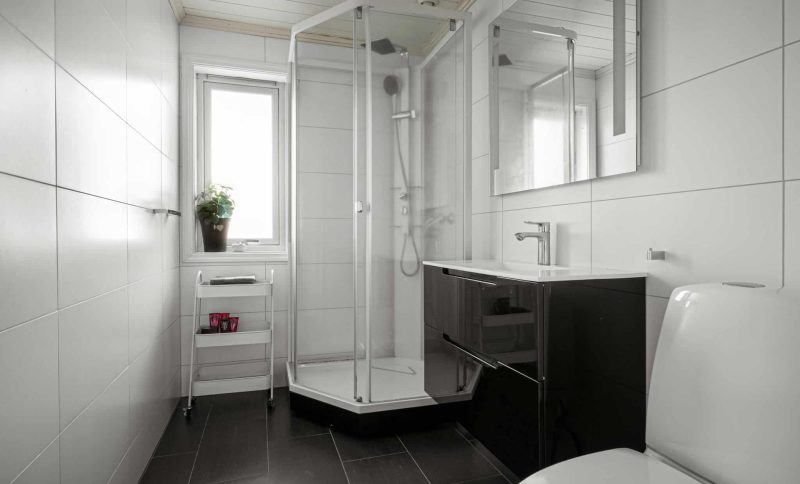
A small bathroom can feel stressful before the day even starts. You reach for a towel and knock over a bottle. The counter fills with products, while storage seems to disappear overnight.
Many homeowners focus on paint color or mirrors, but layout plays a bigger role in how a bathroom functions. Choosing the right bathroom vanity early can improve storage, reduce countertop clutter, and make a cramped bathroom feel more functional. In smaller layouts, a floating bathroom vanity can also open up visible floor space and make the room feel less crowded.
Bathrooms rarely feel uncomfortable because of their square footage alone. The real issue is inefficient planning. When storage, movement, and visual balance are ignored, even a decent-sized bathroom can feel tight and disorganized.
The Real Reason Small Bathrooms Feel Overcrowded
Many bathrooms feel cramped even when they technically meet functional needs. The issue usually comes down to visual pressure. Oversized cabinets, cluttered counters, and poor storage placement create a heavier appearance that makes the room feel smaller than it really is.
Several design mistakes contribute to this problem:
- Large cabinets that extend too far into walkways
- Low storage capacity forcing items onto countertops
- Dark finishes that absorb natural light
- Bulky vanity bases that visually reduce floor area
- Poor accessory placement that interrupts movement
A bathroom should feel easy to move through. When fixtures dominate the room, everyday routines become frustrating. Even simple tasks such as brushing your teeth or getting ready in the morning can feel cramped.
Why Traditional Cabinets Make Tight Bathrooms Worse
Traditional vanities often sit directly on the floor. While they provide storage, they also create visual weight that can overwhelm smaller bathrooms.
When cabinetry blocks sightlines across the floor, the room appears more compact. This happens because the eye interprets open floor space as available breathing room. Large cabinet bases interrupt that flow.
Traditional cabinets can also create cleaning challenges. Dust, moisture, and hair collect around difficult-to-reach edges. Bathrooms with limited ventilation may experience faster buildup around enclosed corners.
Common drawbacks include:
- Reduced walking clearance
- Tight spacing near doors
- More difficult mopping and maintenance
- Poor airflow beneath cabinetry
- Increased visual clutter
The issue is not storage itself. The problem is how that storage occupies valuable square footage.
Signs Your Vanity Is Working Against Your Bathroom
Many homeowners adjust to an inefficient vanity without realizing how much it affects the room. A poorly sized or poorly designed vanity can impact both comfort and organization.
Here are common warning signs that your vanity may be contributing to clutter:
1. You Constantly Clear Off the Counter
When toiletries, skincare products, or cleaning supplies stay visible every day, storage may not be working efficiently.
2. The Room Feels Narrow
A vanity that extends too far into the walkway can make movement uncomfortable and reduce usable space.
3. Cleaning Around It Takes Extra Effort
Floor-mounted cabinets often create tight corners that collect dirt and require extra cleaning time.
4. Drawers Feel Shallow or Unorganized
Interior storage matters just as much as exterior appearance. Poor drawer depth limits functionality.
5. The Vanity Looks Too Large for the Room
Proportion is critical. Even an expensive vanity can make the room feel smaller if sizing does not align with the bathroom layout.
The Better Layout Strategy Designers Recommend
Bathroom designers rarely focus only on square footage. Instead, they prioritize movement, visibility, and organization.
A good layout allows your eye to travel through the room naturally. The more visible floor space you can see, the larger the room feels. This principle is often used in small apartment bathrooms, powder rooms, and narrow guest spaces.
Several layout upgrades help create better flow:
- Use wall-mounted storage where possible
- Avoid oversized vanity widths
- Prioritize deep drawers over multiple small cabinets
- Keep countertops visually clean
- Use reflective surfaces to improve brightness
When these strategies work together, a compact bathroom becomes easier to navigate and maintain.
Why a Bathroom Vanity Upgrade Makes a Big Difference
The vanity often controls how the bathroom functions because it affects storage, movement, organization, and visual balance.
Choosing the correct bathroom vanity allows homeowners to improve multiple issues at once. A properly selected vanity should provide hidden storage, support easy cleaning, and match the room proportionally.
A strong vanity selection should:
- Reduce countertop clutter
- Improve storage access
- Support easier cleaning
- Fit naturally within available space
- Maintain visual openness
This is why designers often begin renovation planning around vanity placement. It becomes the anchor point for the rest of the bathroom.
Why Floating Designs Solve Multiple Problems
Floating vanities continue to gain popularity because they solve several design challenges at once. Unlike floor-mounted cabinets, floating designs leave open space beneath the vanity.
This exposed flooring creates a lighter appearance and allows the room to feel larger without increasing square footage.
A floating bathroom vanity also improves functionality in ways that homeowners often notice immediately.
Benefits include:
- Easier floor cleaning
- Better airflow
- Reduced visual bulk
- Cleaner modern appearance
- Greater perception of open space
For homeowners dealing with narrow bathrooms, floating styles often provide an immediate improvement in comfort and appearance.
When a Floating Bathroom Vanity Works Best
Floating vanities work particularly well in spaces where every inch matters.
They are commonly recommended for:
- Condo bathrooms
- Guest bathrooms
- Powder rooms
- Apartment remodels
- Narrow primary bathrooms
- Minimalist interiors
Because these designs reveal more flooring, they create visual openness. Paint color and lighting can help improve a room, but layout choices often create the most dramatic difference.
Case Study: A Small Bathroom Transformation
One homeowner living in a 1980s townhouse struggled with a narrow bathroom measuring just under 45 square feet. The original vanity measured 42 inches wide with a bulky cabinet base that extended into the walkway.
The room constantly felt crowded. Counter space overflowed with daily items, while cleaning around the vanity became frustrating.
The homeowner replaced the old cabinet with a compact wall-mounted vanity.
Before the Upgrade:
- Limited walking space
- Cluttered countertop surfaces
- Difficult floor cleaning
- Poor storage organization
After the Upgrade:
- Increased visible floor area
- Easier daily cleaning
- Better organization inside drawers
- Improved perception of room size
No walls moved, and no plumbing relocation was necessary. The improvement came entirely from choosing a better-sized vanity.
Pro Tips From a Bathroom Industry Expert
After working in bathroom remodeling for more than a decade, several consistent design principles stand out.
Choose Vanity Width Carefully
Many homeowners assume the widest vanity possible is the best option. In reality, leaving breathing room around cabinetry improves both comfort and visual balance.
Prioritize Drawers Over Doors
Deep drawers often provide more usable storage than traditional cabinet doors. They allow easier access and better organization.
Consider Sink Depth
Shallow sinks improve counter usability while reducing water splashing around the vanity area.
Match Vanity Height to Daily Use
Comfort-height vanities typically range between 34 and 36 inches. This range improves ergonomics for most adults.
Think About Lighting Placement
Lighting changes how large a room feels. Proper vanity lighting reduces shadows and helps highlight open space.
Where Homeowners Usually Make the Wrong Purchase
Many vanity purchases happen too quickly. Homeowners often choose based on photos rather than measurements, storage needs, or room layout.
Common buying mistakes include:
- Ignoring clearance space
- Choosing style over functionality
- Buying oversized double sinks
- Forgetting plumbing compatibility
- Prioritizing trends instead of usability
The best bathroom upgrades solve everyday frustrations. Style should support function rather than compete with it.
Finding a Better Vanity Without Guesswork
Shopping for a vanity can feel overwhelming because online stores provide hundreds of options. Without filters or clear measurements, comparing styles becomes difficult.
This is where Giving Tree Home becomes useful. Their catalog includes multiple vanity sizes, wall-mounted options, and storage-friendly designs for compact bathrooms.
Instead of browsing general furniture categories, homeowners can compare bathroom-specific layouts designed to improve function. That matters when every inch of space affects comfort.
For smaller bathrooms, selecting the right vanity is not only a design decision. It becomes a practical strategy for reducing clutter, improving movement, and creating a more comfortable routine.
Bathrooms rarely need more square footage. They usually need smarter layout choices.