

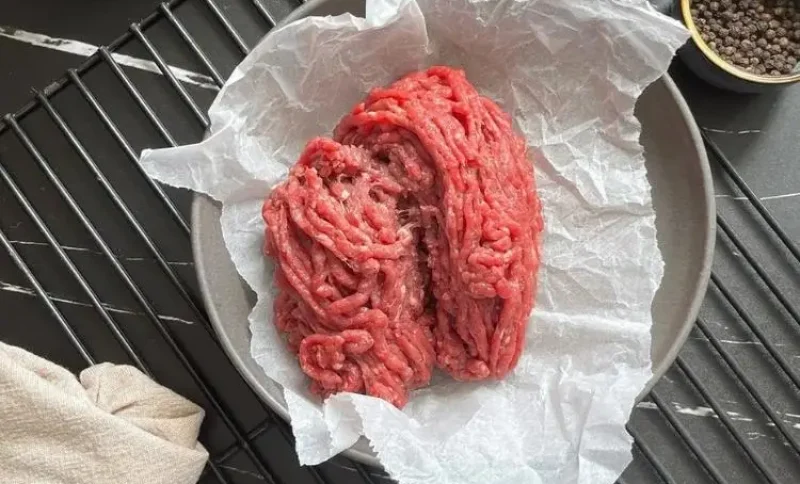
As autumn settles in across the UK, many home cooks start reaching for ingredients that suit slower evenings and heartier meals. Rich sauces, warming pasta dishes, and long-simmered stews return to weekly menus as temperatures drop.
At the same time, interest in seasonal venison recipes continues to grow, particularly among shoppers looking for leaner proteins with deeper flavour. Wild venison mince has become part of that conversation, offering a practical alternative to beef in many classic autumn comfort food dishes.
Seasonal Cooking Brings Venison Back Into Focus
Game meat often appears on restaurant menus during colder months, but more households now use it in everyday cooking. Venison mince works particularly well in autumn because it suits familiar recipes while adding a richer flavour profile. You can use it in ragus, shepherd’s pies, chilli, lasagne, and slow-cooked casseroles without dramatically changing their usual routines.
Devon-based Organic Butchery has built much of its reputation around this balance between traditional butchery and practical home cooking. The company, formerly known as Coom Farm Organic following a recent rebrand and acquisition in June, has operated for about 10 years. During the past 12 months, the business reported turnover of roughly £1.8 million while serving customers across the UK organic meat market, which industry estimates place between £80 million and £100 million annually.
The company sources its wild venison from sustainable West Country estates and prepares the mince in-house. According to Organic Butchery, the meat delivers a darker, richer taste than standard beef mince while remaining mild enough for regular family meals. That balance makes it easier for people to incorporate game meat into cosy dinner ideas without needing specialist cooking knowledge.
Many autumn recipes now focus on ingredients that feel seasonal but still fit into busy schedules. The Organic Butchery venison mince reflects that shift by offering a versatile ingredient that works in both quick midweek meals and slower weekend cooking.
Organic Farming Standards Continue to Shape Consumer Choices
Consumers increasingly look beyond flavour when buying meat. Farming methods, animal welfare standards, and nutritional value now influence purchasing decisions more heavily than they did a decade ago. Organic meat producers have responded by placing greater emphasis on traceability and production standards.
Research from Newcastle University supports some of the nutritional claims linked to organic meat. A large meta-analysis reviewing 67 studies worldwide found that organic meat contains between 47 and 50 percent more omega-3 fatty acids than conventionally produced meat. Researchers also identified lower levels of certain saturated fats, including myristic and palmitic acids.
Scientists connected these findings to farming practices required under organic certification rules. Organic livestock diets must include a significant amount of grass-based feed, and animals must have outdoor access. These standards can influence fat composition and nutrient levels in the final product.
Helen Browning, chief executive of the Soil Association, said the findings “shatter the myth that how we farm does not affect the quality of the food we eat.”
Organic Butchery states that all of its meat products meet certified organic standards. The company’s wider range includes organic beef, lamb, chicken, pork, duck, turkey, mutton, and wild game. The business also notes that farms supplying its meat avoid artificial feed and routine antibiotic use.
These standards continue to matter to shoppers who want transparency around food sourcing. While debates around sustainability and meat production continue, organic farming practices have become an important factor for consumers seeking more informed food choices.
Nose-to-Tail Butchery Supports a Wider Sustainability Conversation

Interest in nose-to-tail eating has expanded beyond professional kitchens in recent years. More consumers now recognise the connection between whole-animal butchery and food waste reduction. Rather than focusing only on premium cuts, many independent butchers now encourage customers to use bones, secondary cuts, and slower-cooking joints more regularly.
Organic Butchery has incorporated that approach into its broader business model. Alongside roasting joints and steaks, the company offers broth bones, mutton cuts, and wild game products designed to encourage fuller use of the animal. This approach supports both sustainability and respect for traditional butchery practices.
Venison fits naturally into this conversation because wild deer management is already part of land stewardship on many rural estates. Estates in the West Country often manage deer populations to protect woodland ecosystems and agricultural land. Using the meat within the food chain helps reduce waste while supporting local supply networks.
Dr Kathryn Clare from the London School of Hygiene & Tropical Medicine has argued that “current consumption trends of red and processed meat are a threat to both human health and the health of the planet.” That discussion has encouraged some shoppers to buy smaller amounts of higher-quality meat rather than larger quantities of lower-cost products.
Organic certification standards also place limits on antibiotic use and prioritise outdoor grazing systems. Supporters argue that these practices can support biodiversity and improve soil health, although environmental discussions around meat production continue to evolve across the wider food industry.
Comfort Food Trends Continue to Influence Buying Habits
Autumn eating habits often centre on familiarity. During colder months, people tend to cook meals that feel filling, warming, and easy to prepare in batches. Venison mince suits many of these habits because it adapts easily to dishes people already know how to make.
Its leaner fat profile also appeals to consumers looking for alternatives to traditional beef mince without sacrificing flavour. Organic Butchery describes its venison mince as naturally high in protein and iron while remaining lower in fat than many beef products.
At the same time, the UK market for specialist organic meat continues to develop. Organic Butchery currently offers UK-wide delivery, with free mainland delivery available on orders over £100 and a minimum order threshold of £50. The business has also discussed potential expansion through subscription models to increase long-term customer retention.
Award recognition has further strengthened the company’s profile within the sector. Organic Butchery reports that several cuts within its range have received honours from Great Taste, Taste of the West, and BOOM awards.
Conclusion
Wild venison mince has gradually moved beyond its reputation as an occasional speciality ingredient. Today, it fits naturally into the types of meals many households already cook during autumn, from rich pasta sauces to slow-cooked casseroles.
As interest in seasonal ingredients, organic farming, and sustainable sourcing continues to grow, products like venison mince are becoming more visible in everyday meal planning. For shoppers seeking comforting autumn dishes with deeper flavour and clear sourcing standards, venison increasingly offers a practical and seasonal option.


