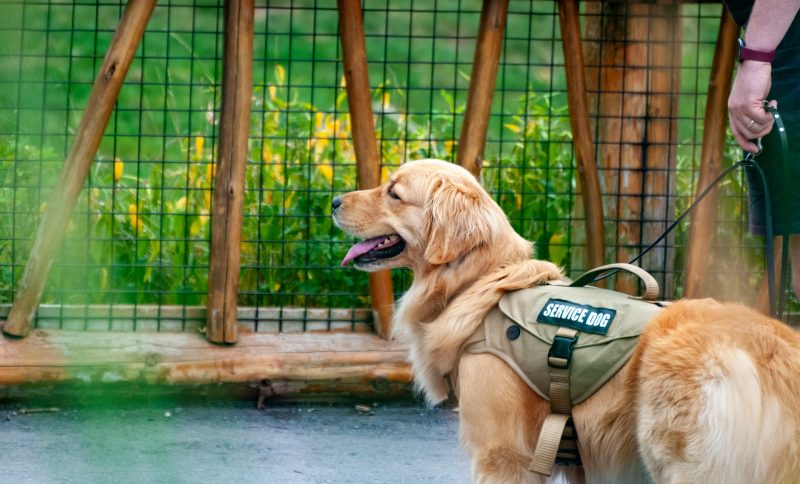
Diabetes is a serious, life-long health condition that affects millions throughout the US. Those with diabetes can experience hyperglycemia (abnormally high blood sugar) and hypoglycemia (abnormally low). Both can lead to life-altering, even lethal complications, such as eye diseases, heart attacks, and strokes.
While diabetes can be managed with lifestyle changes and treatment like insulin, a service dog can also help. They can be trained to recognize and alert you to blood sugar level fluctuations. They can also provide support in other ways, from finding help in a crisis to building confidence in daily life.
If you’re interested in a diabetic service dog to help you manage your condition, you likely have plenty of questions about the process, like how to get a diabetic service dog for free. In this guide, we’ll answer this and cover everything else you need to know about diabetic service dogs.
What Is a Service Dog?
A service dog is a working animal that has been rigorously trained to perform symptom-relieving tasks for an individual with a disability. There are many service dog qualifying disabilities, including mental health disabilities like anxiety and depression, and physical disabilities, like diabetes.
A diabetic service dog is not a standalone treatment for blood sugar management. However, when used in conjunction with other interventions like medication, the result can be life-changing.
They can help their handler (owner) experience significant relief and gain more independence. They can also provide a sense of security and boost confidence.
How Can a Diabetic Service Dog Help?
Canines have the remarkable ability to detect even the slightest of changes within us. This perceptive nature doesn’t just allow them to thrive at giving us comfort when we need it most; it also allows them to pick up on subtle shifts in our physical states.
A diabetic service dog is trained to recognize the specific physical changes associated with low or high blood sugar, and then alert their handler accordingly. This detection gives the handler ample time to prepare for (and even prevent) a dangerous hypo/hyper episode.
A diabetic service dog can be trained to provide support in other ways too, including:
- Retrieve sugary drinks (e.g., fruit juice) or snacks for their handler, either on cue or in response to physical symptoms/distress
- Find help if their handler loses consciousness or lacks capacity
- Remind their handler to take their medication (or retrieve medication for them)
- Perform deep pressure therapy to help alleviate the anxiety associated with diabetes
How to Get a Diabetic Service Dog for Free
Although a diabetic service dog’s support can be life-changing, this invaluable role does come at a price, and one that is sadly inaccessible for many.
A diabetic service dog from a private organization typically costs $30,000 to $60,000. This fee accounts for expenses such as the dog’s purchase cost, veterinary care, training, and boarding.
However, there are ways you can alleviate the cost involved and potentially get a diabetic service dog for free.
Non-Profit Service Dog Organizations
There are dedicated non-profit organizations throughout the US that offer diabetic service dogs for free or at a significantly lower cost. These organizations carefully match you to a dog based on your lifestyle and individual needs, and train them in-house to perform your required tasks.
Service dog charity organizations are in extremely high demand. Unfortunately, many are no longer accepting new applicants, and if they do, there is often a stringent application process.
Most also have several year long wait lists. This means a non-profit service dog charity organization may not be a viable route if you need a diabetic service dog’s support immediately.
Fundraising
Fortunately, there are other ways to manage the cost. You can choose to work with a low-cost service dog organization or professional trainer, and fundraise to cover the expense.
Many individuals use platforms such as GoFundMe to help raise funds. You can also spread awareness of your cause by sharing your story online, speaking to businesses, and participating in local events.
Self-Training
The main expense involved with obtaining a diabetic service dog is the rigorous training process. By having an active role in your dog’s training, you can therefore significantly reduce the cost.
Self-training may not be a viable route for everyone, but there are online resources that can help guide you. You can even find affordable online service dog training programs that cover all the fundamentals, from public access skill training to task-specific training.
Understanding How to Get a Diabetic Service Dog for Free
Getting a diabetic service dog for free isn’t always possible, especially considering the long wait times and stringent application processes of non-profit organizations. However, there are ways to alleviate the costs significantly, including fundraising and self-training your dog.
If you’re interested in learning more about diabetic service dogs and whether they’re suitable for your needs, arrange an appointment with a licensed healthcare provider. They can advise you further and may be able to recommend some local service dog organizations that can help.