
Most calorie goals fail for one boring reason: they were a guess. You pick a round
number you saw somewhere, eat far less than your body needs, feel awful by day three, and quit. The fix is not more willpower. It is starting from a number that actually fits your body, your activity, and your goal.
A balanced bowl of grains and vegetables is what a realistic goal looks like on a plate.
Why Round-Number Calorie Goals Backfire
A target like 1,200 or 2,000 calories is a one-size guess, and your body is not one size.
Your needs depend on your height, weight, age, sex, and how much you move. Two people can eat the same and get completely different results.
When the number is too low, your energy crashes, your workouts suffer, and the hunger eventually wins. When it is too high, progress stalls and you cannot work out why.
Either way, a guessed number quietly sets you up to fail before you start.
Start With Your Maintenance Number
The single most useful number in nutrition is your maintenance level, the calories that keep your weight steady. Everything else builds from there. Eat below it to lose, above it to gain, around it to hold.
This is called your total daily energy expenditure, often shortened to TDEE. It combines the energy your body burns at rest with the energy you burn moving around. Once you know it, the guessing stops and the planning begins.
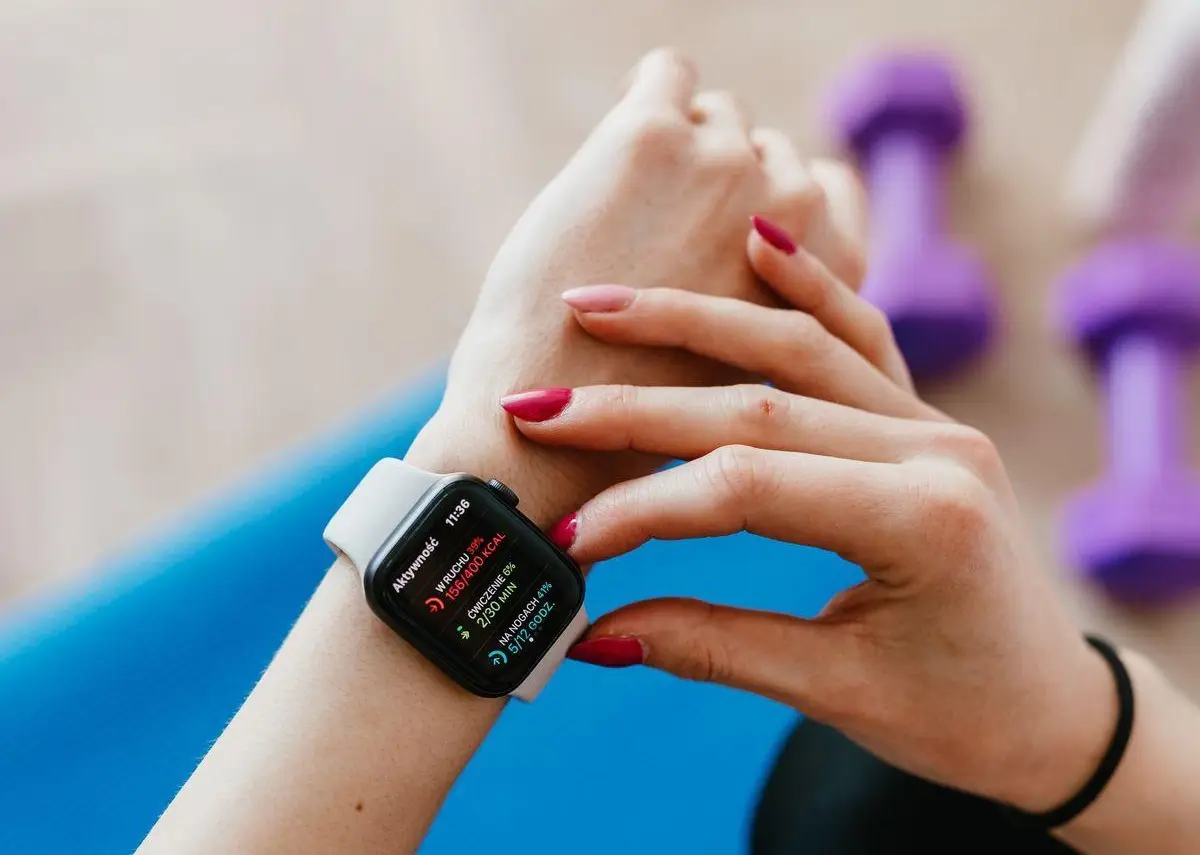
Tracking your activity and calories takes the guesswork out of a goal.
How to Find Your Number Without the Math
You do not need to do the calculations by hand. A few honest inputs give you a solid starting estimate in under a minute.
A free daily calorie calculator from August lets you enter your details and get a maintenance estimate, plus targets for losing or gaining at a sensible pace. It is a starting point, not a life sentence, and that is exactly how you should treat any calorie number.
Here is the simple sequence to set your goal.
- Find your maintenance number using a calculator rather than a guess.
- Pick a gentle adjustment, around 300 to 500 calories below maintenance to lose weight steadily.
- Give it two to three weeks before judging, since weight bounces day to day.
- Adjust based on real results, not on how you feel on any single morning.
Build the Number out of Real Food, Not Just Math
A calorie target only works if the food behind it keeps you full and satisfied. Protein and fiber do most of that work. They slow digestion and quiet hunger, which makes any goal easier to stick to.
Practical swaps matter more than perfection. A few that help most people:
- Lead each meal with a protein, such as eggs, chicken, fish, beans, or Greek yogurt
- Fill half your plate with vegetables for volume that costs few calories
- Choose whole grains over refined ones to stay full longer
- Watch drinks, since liquid calories add up without filling you up

Protein and vegetables do the heavy lifting in keeping you full.
When Your Numbers Tie Back to Your Health
Calorie goals do not exist in a vacuum. They connect to things like your blood sugar, your cholesterol, and your energy. Understanding those links helps your eating actually serve your health, not just the scale.
If you want plain-language background on how nutrition connects to your health markers, a vetted health information library is a calmer place to learn than random search results. And for anything tied to a medical condition or a medication, check with your doctor or a registered dietitian before making big changes.
Common Mistakes That Quietly Sabotage Your Goal
Most people do not fail because they lack discipline. They fail because of a few predictable traps.
- Cutting too aggressively, then rebounding into overeating
- Forgetting that small bites, sauces, and drinks all count
- Weighing daily and panicking over normal fluctuations
- Copying a friend’s calorie goal when their body is nothing like yours
- Treating one off day as a reason to abandon the whole plan
FAQs
Q: How many calories should I eat to lose weight?
There is no universal number. Start from your maintenance estimate, then eat around 300 to 500 below it for steady loss. A calculator gives you that starting point in seconds.
Q: Are calorie calculators accurate?
They give a solid estimate, not a precise measurement. Use the number as a starting line, then adjust based on two to three weeks of real results.
Q: Do I have to count calories forever?
No. Many people count for a while to learn portion sizes, then rely on the habits they built. The goal is awareness, not a permanent spreadsheet.
Q: What if I have a health condition?
Talk to your doctor or a registered dietitian first. Conditions like diabetes or kidney issues change what a safe, sensible target looks like for you.
A realistic calorie goal is not about eating as little as possible. It is about matching your food to your actual body and your actual life, then adjusting calmly as you go. Start from a real number, build it out of food that keeps you full, and give it time.
Do that, and calories stop being a source of stress and start being a simple tool. You eat with a plan instead of a guess, and the results follow, one steady week at a time.