
Planning a menu for a big event is part math, part hospitality, and part guesswork about what your guests will actually eat. Whether you are hosting a wedding, a corporate luncheon, a family reunion, or a milestone birthday, the food is what people remember long after the playlist fades. The good news is that a great catered menu follows a few reliable rules. Once you understand them, building a spread that satisfies a crowd of fifty or five hundred becomes far less stressful.
Start With Your Guests, Not the Food
The most common mistake hosts make is choosing dishes they personally love and assuming everyone else will feel the same way. A crowd-pleasing menu starts with the people in the room. Think about the age range, the cultural mix, and the occasion itself. A laid back summer reunion calls for relaxed, familiar comfort food, while a corporate event may need polished plates that photograph well and travel cleanly from buffet to table.
Send a short survey or ask the host a few pointed questions before you finalize anything. How many guests are expected? Are there children attending? Are most people coming hungry, or is this a light afternoon gathering? These answers shape portion sizes, dish selection, and how much variety you need. When you anchor your decisions in real guest data, you avoid the trap of a menu that looks impressive on paper but leaves half the room searching for something to eat.
Build Around Variety and Balance
A satisfying menu offers contrast. You want a mix of textures, temperatures, and flavors so that every guest finds at least two or three things they genuinely enjoy. A practical formula is to plan for one or two proteins, two or three sides, a fresh element like a salad or vegetable dish, and one or two desserts. This structure scales easily and gives you room to adjust based on the season and budget.
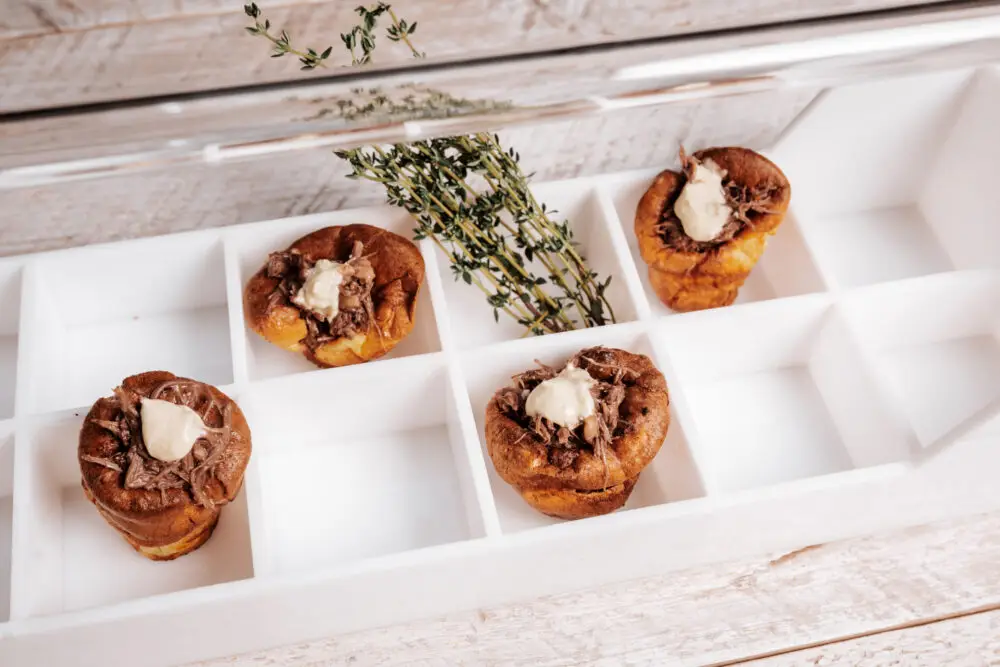
Balance also means thinking about how dishes work together. If your main protein is rich and heavy, pair it with bright, acidic sides that cut through the fat. If you are serving a lot of fried or roasted items, add something cool and crisp to keep the plate from feeling one note. The goal is a table where the dishes complement rather than compete with one another.
Account for Dietary Needs From the Beginning
Modern gatherings almost always include guests with specific dietary requirements. Vegetarian, vegan, gluten free, and nut free needs are now the rule rather than the exception. Treating these as an afterthought leads to a sad single option pushed to the corner of the buffet. Instead, weave inclusive choices into the heart of the menu so that every guest feels considered.
A well planned vegetarian main can stand proudly next to the meat dishes rather than apologizing for its presence. Clear labeling matters too. Small cards that identify allergens and ingredients let guests serve themselves with confidence and reduce the number of questions your staff has to field. Professional catering services handle this kind of planning every day, and partnering with an experienced team takes the pressure off when you are juggling dozens of competing details. If you would rather focus on your guests than on cross contamination charts, bringing in a seasoned caterer is one of the smartest decisions you can make.
Choose a Service Style That Fits the Room
How food is served shapes the entire mood of an event. Buffets encourage mingling and let guests control their own portions, which works beautifully for casual or high energy gatherings. Plated meals feel more formal and controlled, ideal for weddings and seated dinners where timing and presentation matter. Family style service, where platters are passed around each table, splits the difference and creates a warm, communal feeling.
Food stations are another excellent option for large crowds. A taco bar, a pasta station, or a carving table gives guests an interactive experience and keeps lines moving. Whatever style you choose, make sure your venue and staffing can support it. A plated dinner for three hundred requires a very different kitchen and service plan than a relaxed buffet for the same number.
Plan Portions With Confidence
Running out of food is every host’s nightmare, while massive leftovers waste money. The sweet spot comes from realistic portion planning. As a general guide, plan for roughly one pound of food per adult across all categories combined, adjusting up for longer events and active crowds. Appetizers should run about four to six pieces per person during a cocktail hour, more if they replace a full meal.
Remember that buffets tend to encourage slightly larger servings than plated meals, since guests serve themselves. Build in a small buffer of about ten percent above your headcount to cover unexpected guests and hearty eaters. Track what works at each event so your estimates sharpen over time.
Do Not Overlook Presentation and Logistics
People eat with their eyes first. Even simple dishes look elevated with thoughtful garnishes, varied serving heights, and clean, well organized stations. Color matters, so aim for a spread that looks vibrant rather than uniformly beige. A few sprigs of herbs, a scatter of citrus, or a bright sauce can transform the look of an entire table.
Logistics deserve equal attention. Confirm that you have enough chafing dishes to keep hot food hot and enough ice and cold storage to keep cold food safe. Plan your timeline backward from the moment guests arrive, building in cushion for setup and last minute adjustments. The smoothest events are the ones where the hard work happens long before the first guest walks through the door.
Bring It All Together
A crowd-pleasing catered menu comes down to knowing your guests, offering balance and variety, planning for every dietary need, and matching your service style to the occasion. Nail the portions, pay attention to presentation, and stay on top of the logistics, and you will create an experience that guests talk about for years. Large gatherings are a wonderful excuse to bring people together around great food. With a thoughtful plan, or a trusted catering partner by your side, you can spend less time worrying and more time enjoying the celebration.