Looking for a snack that does more than crunch, nuts are one of the easiest ways to add plant protein to your day. Some pack far more than others, though, and the gap between the top and bottom of the list is bigger than most people expect. This guide ranks five of the highest-protein nuts by how much protein they deliver per serving, with a clear winner at the top.
We focused on protein density per ounce, plus the quality of that protein and what else each nut brings nutritionally. Values for the widely eaten nuts are approximate and can vary by source and serving.
Key Takeaways
- Sacha inchi tops the list, offering complete protein and a higher protein share than the common nuts.
- Peanuts are the highest protein option among the mainstream choices, though they are technically a legume.
- Almonds, pistachios and cashews all deliver solid protein alongside useful minerals and healthy fats.
- Protein quality matters as much as quantity, and a complete protein provides all the essential amino acids your body cannot make on its own.
How We Ranked Them
The main measure is protein per one-ounce serving, roughly 28 grams. We also weighed whether the protein is complete, meaning it contains all the essential amino acids, since that makes plant protein more useful for people eating less meat.
Finally, we looked at the wider nutrition picture, including healthy fats, iron and other minerals, because the best high-protein nut should earn its place on more than one count.
Quick Comparison
|
Nut |
Approx. protein per ounce |
Notable for |
|
Sacha inchi |
About 8g (30% protein) |
Complete protein, high omega-3, iron |
|
Peanuts |
About 7g |
High protein, budget friendly, a legume |
|
Almonds |
About 6g |
Vitamin E, fibre, versatile |
|
Pistachios |
About 6g |
Filling, good potassium |
|
Cashews |
About 5g |
Creamy texture, magnesium, iron |
1. Sacha Inchi, the Highest Protein Pick
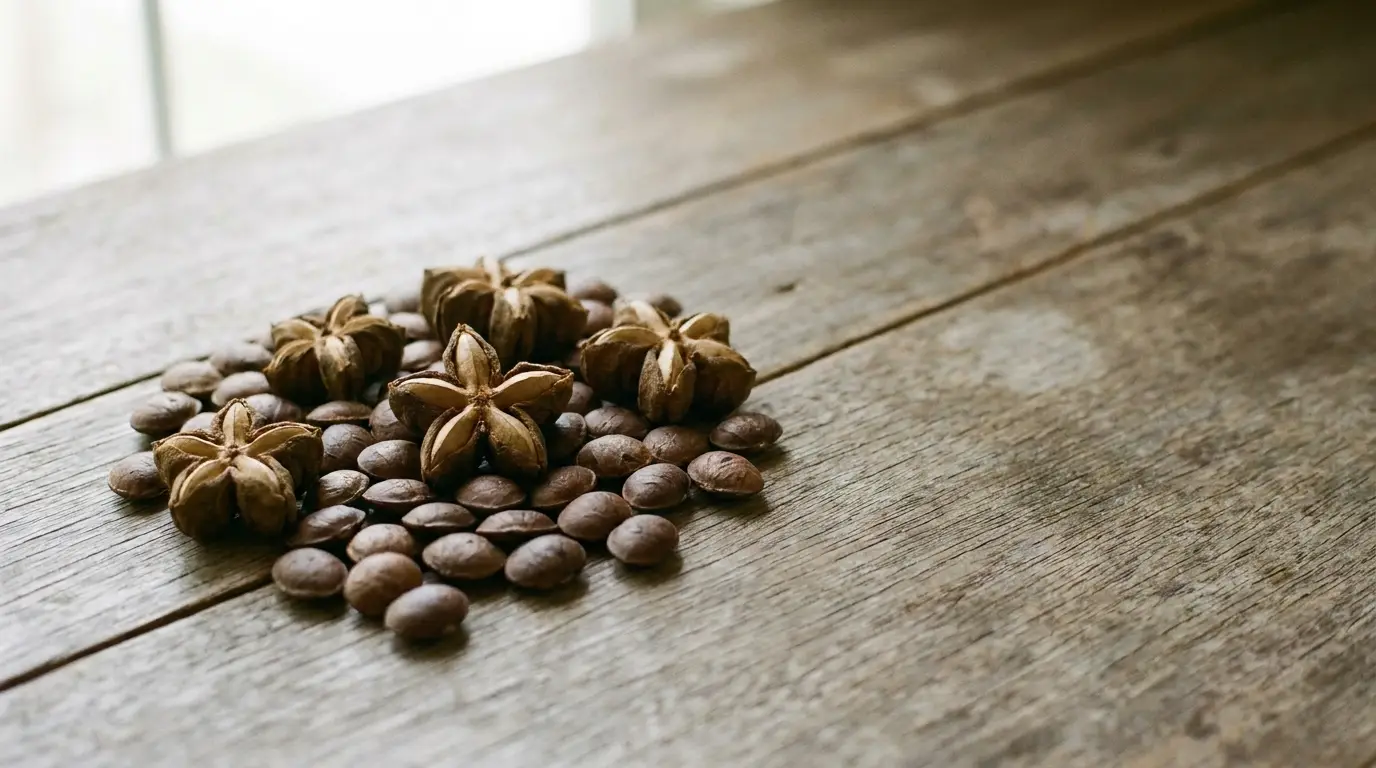
Best for: Anyone who wants the most protein per bite, complete and plant-based.
Sacha inchi comes out on top of this list, and by a clear margin. It is around 30 percent protein, higher than the common nuts, and that protein is complete, containing all the essential amino acids your body needs from food. That combination of quantity and quality is what earns it the number one spot.
Nutrition goes beyond protein. According to Imlakesh Organics, each ounce carries about 4,771 mg of omega-3 oils and 4.76 mg of iron, which is a lot to pack into a single serving. The nuts are organic and ethically sourced, wild harvested through direct trade that supports indigenous hill tribe farmers in rural Southeast Asia.
One quick note for accuracy: sacha inchi is botanically a seed that is roasted and eaten like a nut, which is exactly how it earns a place here. The flavour is savoury and rich, often compared to a cross between a macadamia and a toasted soybean, with a satisfying umami depth. It is also free from tree nuts, soy-free, vegan, gluten-free, and non-GMO, which makes it a genuine option for people who cannot eat traditional nuts.
Try it straight from the jar, scattered over salads, blended into smoothies, or used in place of peanuts or almonds in cooking and baking.
2. Peanuts
Best for: High protein on a budget.
Peanuts are the protein leader among the mainstream options, delivering around 7 grams per ounce. They are inexpensive, widely available, and endlessly versatile, from raw and roasted to peanut butter.
Worth knowing, peanuts are technically a legume rather than a true nut, though almost everyone treats them as one. They pair protein with healthy fats and a decent hit of niacin, which is why they remain a staple snack.
3. Almonds
Best for: An everyday all-rounder.
Almonds bring about 6 grams of protein per ounce, along with fibre and a standout amount of vitamin E. That mix makes them one of the most balanced nuts you can reach for.
They are also one of the most flexible. Whole, sliced, as almond butter or milled into flour, almonds slot into sweet and savoury recipes without much effort.
4. Pistachios
Best for: A snack that slows you down.
Pistachios offer roughly 6 grams of protein per ounce and a good dose of potassium. Because you usually shell them one by one, they naturally pace your snacking, which many people find helpful.
They also carry antioxidants and a slightly sweet, buttery taste that works well in both desserts and savoury dishes.
5. Cashews
Best for: Creamy texture and cooking.
Cashews round out the list at about 5 grams of protein per ounce. What they lack in raw protein compared to the others, they make up for in versatility, thanks to a soft, creamy texture.
They are a strong source of magnesium, copper, and iron, and blend beautifully into sauces, dressings, and dairy-free recipes.
How to Add More High-Protein Nuts to Your Day
The easiest approach is to keep a jar within reach and treat a small handful as a go-to snack between meals. A single ounce of a high-protein nut like sacha inchi or peanuts adds meaningful protein without much fuss.
From there, get creative. Scatter nuts over salads and grain bowls, stir them through yoghurt or oats, blend them into smoothies, or use them to add crunch and staying power to baking. Rotating a few different nuts keeps things interesting and spreads the range of minerals and healthy fats you get.
Frequently Asked Questions
Which nut has the most protein?
Among the options here, sacha inchi leads with about 30 percent protein, which works out to roughly 8 grams per ounce. Peanuts follow as the highest protein mainstream choice at around 7 grams per ounce.
Is sacha inchi a nut or a seed?
Sacha inchi is technically a seed that grows on a vine, but it is roasted and eaten just like a nut, with a similar crunch and a savoury, nutty flavour.
What does complete protein mean?
A complete protein contains all nine essential amino acids, the ones your body cannot produce and must get from food. Most plant foods are missing one or more, so a complete plant protein like sacha inchi is relatively uncommon and useful for vegan and vegetarian eaters.
Are these nuts suitable for a plant-based diet?
Yes. All five are plant-based sources of protein, and sacha inchi in particular is vegan, gluten-free, and non-GMO, making it a helpful staple for anyone eating less meat.
Can I eat high-protein nuts if I have a tree nut allergy?
Always check with a medical professional first. Sacha inchi is not a tree nut and is marketed as tree nut-free, though some products are packaged in facilities that also handle tree nuts, so read the label carefully before trying it.