






Cooking at home gives you a way to travel without leaving your space. With a culinary tour of Canada, your kitchen becomes a gateway to distant coasts, forests, and farmlands. Each recipe carries traces of climate, culture, and shared history. As you prepare these meals, you begin to understand how people live and eat across the country. This experience builds respect for ingredients and for the hands that produce them. It also builds confidence in your own cooking skills. Over time, every meal becomes part of a wider personal journey.
Stories and Meaning in Every Dish
Food often works as a form of memory and expression, which many cooks describe as storytelling on the plate. A single recipe can reflect years of family habits and local customs. In Canada, these stories often combine Indigenous knowledge with immigrant traditions. When you cook these dishes, you continue those stories in your own voice. Each step connects you to past generations and present communities. Flavours become messages passed from one kitchen to another. This process gives ordinary meals deeper meaning.
Atlantic Traditions and Ocean-Based Cooking
The Atlantic provinces rely heavily on the sea for daily meals. Lobster, cod, and mussels appear in many traditional dishes. Fisher families often follow methods passed down through generations. These methods focus on freshness and careful timing. Light seasoning allows natural flavours to remain clear. When you prepare these meals at home, you learn to respect simple processes. This approach builds patience and attention.
Regional Identity and Urban Food Culture
Canadian cuisine grows from strong regional identities that influence how people cook and eat every day. For instance, the food scene in Ottawa reflects this diversity by bringing together flavours from across the country in one active culinary space. The city blends French techniques with English traditions while relying on nearby farms for fresh produce and meat. Vancouver builds its identity around seafood and Asian-inspired cooking shaped by its coastal location. Montreal focuses on comfort dishes rooted in French heritage and long-standing local customs. Together, these cities show how geography and history shape Canada’s shared culinary identity.
A Culinary Tour of Canada Through Regional Kitchens
A culinary tour of Canada becomes richer when you explore each region with intention and curiosity. British Columbia offers salmon and orchard fruits shaped by coastal weather. The Prairies provide wheat breads and hearty stews built for cold seasons. Quebec contributes cheeses, maple syrup, and slow-cooked classics. Ontario blends international influence with strong farming traditions. Northern regions rely on preserved foods and wild harvests. Each area teaches a different lesson about balance and survival.
Cooking for Flavour-Driven Enthusiasts
Many home cooks identify as foodies who care more about flavour than trends or presentation. They choose ingredients based on taste rather than appearance. In Canadian cooking, this attitude works well with seasonal produce and local meat. Fresh berries, wild herbs, and clean water shape better results. These cooks avoid heavy sauces that hide natural qualities. They rely on roasting, steaming, and gentle frying. This mindset strengthens trust in your own palate.
Indigenous Foundations of Canadian Cuisine
Indigenous communities developed sustainable food systems long before modern borders existed. They relied on fishing, hunting, and seasonal gathering. Corn, beans, squash, and berries formed key parts of daily meals. Smoking and drying helped preserve food through harsh winters. These practices remain relevant today. Many modern chefs now study and respect these traditions. Learning these foundations adds depth to home cooking.
Design, Dining, and Visual Experience
Many travellers admire Canada’s top aesthetic restaurants for their thoughtful layouts and clean presentation. These spaces often use natural materials that reflect local surroundings. Open kitchens help guests understand cooking processes. Lighting supports comfort rather than distraction. Yet strong design never replaces good flavour. The best restaurants respect both appearance and substance. Home cooks can apply the same balance at their tables.
Blending Old Practices with New Tools
Modern kitchens combine tradition with technology in practical ways. Pressure cookers and thermometers improve timing and safety. Cast-iron pans still serve as reliable tools. This balance helps cooks save time without losing quality. During a culinary tour of Canada, you notice how classic dishes adapt to modern needs. Slow recipes become easier through planning. Equipment supports accuracy rather than replacing skill. This blend keeps traditions alive.
Baking as a Cultural Connector
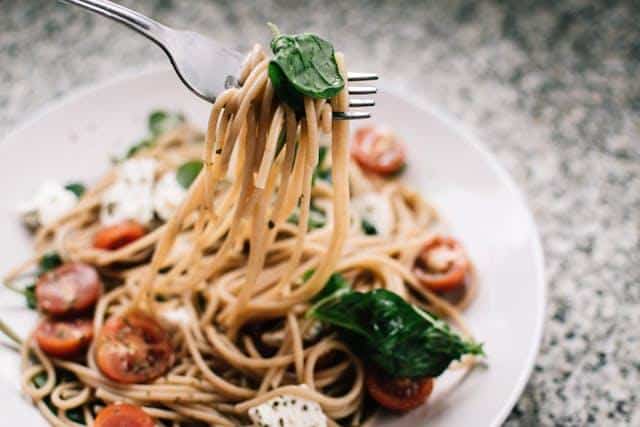
Baking plays a central role in Canadian family life. Butter tarts, layered bars, and fruit pies appear at gatherings. These desserts rely on simple pantry staples. Each household adds small personal touches. Baking teaches patience and structure. It also encourages shared effort among family members. These moments strengthen social bonds through food.
Winter Cooking and Food Preservation
Long winters influence how Canadians store and prepare meals. Root vegetables, dried beans, and frozen berries become essential. Soups and stews provide warmth and energy. Families often prepare large portions in advance. Freezing helps reduce waste and save time. This habit supports careful planning. Seasonal awareness improves kitchen efficiency.
Shopping with Purpose and Awareness
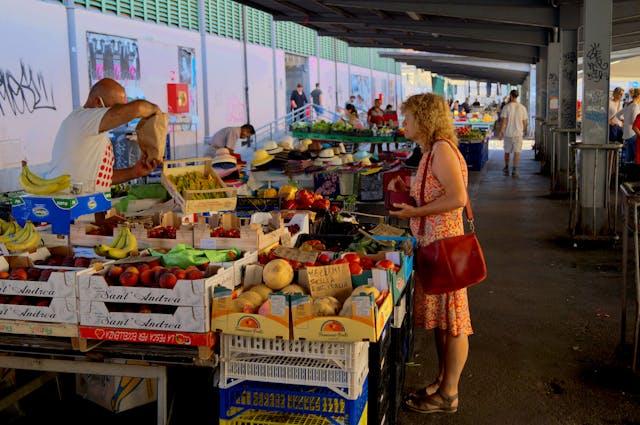
Successful cooking begins with thoughtful shopping choices. Local markets often offer better freshness and transparency. Farmers can explain how their products grow. This knowledge builds confidence in quality. Reading labels also protects health and the budget. Simple ingredients with clear origins perform better in recipes. Responsible shopping strengthens community ties.
Hosting Canadian-Inspired Dinners
Sharing meals strengthens relationships and builds trust. A Canadian-inspired dinner introduces guests to new flavours. Salmon, wild rice, and berry desserts create balance. Comfortable seating encourages relaxed conversation. Soft lighting supports calm interaction. Hosts who plan carefully reduce stress. Guests remember honesty more than luxury.
Teaching Through Shared Cooking
Cooking with children builds practical and emotional skills. Measuring teaches accuracy and patience. Stirring and tasting develop awareness. Canadian recipes often use familiar ingredients. This familiarity reduces fear of mistakes. Children gain confidence through participation. These habits encourage lifelong respect for food.
Continuing the Journey at Home
Your kitchen holds lasting power when used with intention and care. Through a culinary tour of Canada, you connect with land, people, and shared history. Each recipe strengthens respect for producers and traditions. Skills grow through repetition and reflection. Confidence follows steady practice. Over time, cooking becomes both personal and cultural. This journey continues every time you choose thoughtful preparation and honest flavour.