



Food has found a way to tell stories. Through taste and smell, people pass on memories, moods, and even experiences from generation to generation. Many favorite recipes have been prepared for years, but neither the author nor the person who came up with this recipe is known. Despite the fact that we do not know who created these recipes, this does not diminish their value. And all because the meaning is not in the text of the recipe itself, but in the process.
The Quiet Power of Anonymous and Legacy Recipes
Many family recipes are passed down from generation to generation. They do not have specific names, dates, or signatures. The recipes are written on some old sheets of paper that have already turned yellow and faded. Some recipes were passed down by our grandmothers from mouth to mouth. And when they prepare dishes from these recipes, they don’t even think about who was the first and when they came up with such a combination of ingredients.
It’s okay that such recipes don’t have a person behind them. Here, everything is done the other way around – anonymity makes food more universal. Well, look, if we say that a famous politician invented such a combination of orange and milk, then you will be forced to repeat this recipe exactly like that. But receiving an anonymous text, everyone can recognize something of their own in the recipe.
When Ingredients Become the Main Character
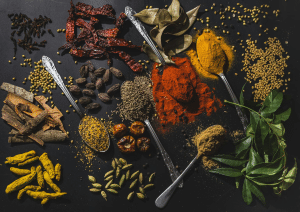
In many recipes, ingredients play a major role. If we tell you to imagine the taste of a ripe tomato, or, for example, to recall the taste of a crispy crust of bread, then your mouth will instantly salivate, and your stomach will start to grumble with hunger. When a recipe is described with a focus on the smells, colors and even sounds during cooking, then cooking the dish becomes better. And here it no longer matters who the author of the dish is. The main thing is what taste you get as a result.
In modern food blogs, storytelling appears more and more often, as if on behalf of the ingredients. They describe the origin of the products, their quality and even how they behave in a pan or in the oven. It’s a simple yet profound approach that helps you focus on what’s important, which is food and the process of creating it.
Kitchens as Personal, Private Creative Spaces
For many people, the kitchen is just a personal space. Remember when your mother or grandmother wouldn’t let you touch certain ingredients, or yelled at you when you put something in the wrong place in the kitchen? Cooking at home often becomes a ritual that helps you calm down, collect your thoughts, and be alone with yourself. At these moments, you don’t need spectators or outside evaluation. You just need time and love for cooking.
That’s why many chefs prefer to stay behind the scenes. They want to share the result and the process, but without having to show themselves.
The comfort of creating a dish without having to perform gives you more freedom. You can experiment, make mistakes, and find your own rhythm. Food remains open to everyone, and a person’s privacy is protected and accessible only to them.
Faceless Creativity in the Digital Food World
Culinary content without specific faces is very common on social networks and websites. Videos can be shot from an overhead perspective, where only hands are visible, giving people simple instructions and text recipes. And we are not surprised that it is becoming popular.
Audiences are increasingly choosing consistency and quality, rather than a specific author. We have not seen anything that people talk about on New Year’s Eve, about a specific person. On the contrary, everyone starts preparing salads, baking a turkey and decorating Christmas pastries. If the content is clear, useful and honest, then the face of the author of the recipe becomes optional.
The conversations about building revenue and a creative presence without public exposure, such as those at https://onlymonster.ai/blog/how-to-make-money-on-onlyfans-without-showing-your-face/, reflect a broader trend that applies to food creators. Food content adapts well to low-visibility models because the focus is always on the result, not the person.
Storytelling Through Process, Not Personality
Cooking stories can be created in the process of cooking. The sound of a knife on a cutting board, the aroma of spices on a hot pan, the pause when the dough is supposed to rest – all this creates a sense of presence. Such details convey intuition and experience better than any portrait of the author. And when you see these details a second time, you immediately think of the dish, not the author.
When step-by-step methods are logically constructed, the recipe also reads easily and naturally. The reader does not just follow the instructions, but as if walking alongside the person who is cooking. Process-oriented writing builds trust, because it honestly shows what is happening in the kitchen and when.
Good food texts feel like support. They do not impose a style or demand attention to the personality. Instead, they calmly guide, explain and leave space for their own experiences.
Creating a Home Cooking Voice Without Being On Display
When a dish is being prepared in the kitchen, it doesn’t need the praise of those around it. On the contrary, it needs to convey emotions and mood through the dish. Those who create culinary content need to speak honestly and clearly, as if explaining the recipe to someone close to them. For example: “Take a frying pan, put it on the fire. Be careful, the frying pan heats up quickly. Don’t touch it with your fingers!”
If you think through what you are going to say, you can convey all the necessary points in simple words. When the text of the recipe is spoken by the author at a calm pace, you want to listen to it again. It is these details that form a feeling of familiarity and trust.
Conclusion
When cooking, you don’t need to talk about people. It’s not important. The main thing is the taste of the dish that will turn out as a result. When you cook eggs for breakfast, you don’t think about who ever thought of such a thing. You just add spices, vegetables and other ingredients to the dish and want it to be tasty and nutritious. That’s all. That’s the point.