






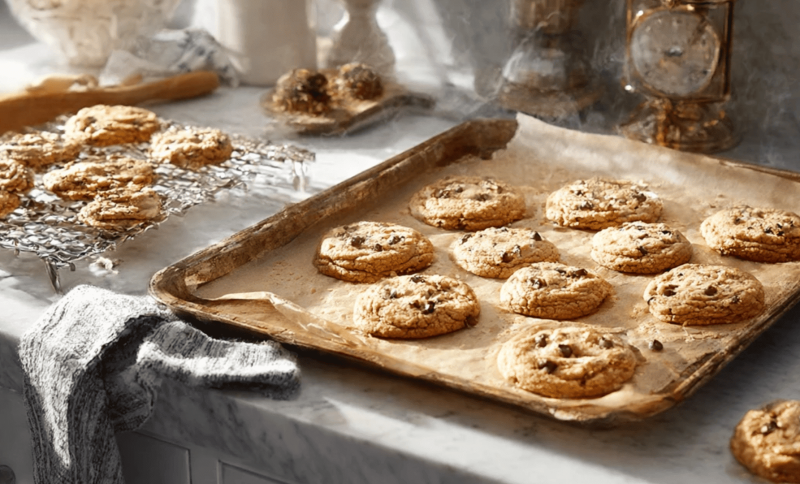
If you can’t decide between sugar cookies and chocolate chip cookies, this recipe gives you the best of both, with no chilling and no complicated steps.
These chocolate chip sugar cookies bake up soft and buttery in the center, lightly set at the edges, and packed with melty chocolate in every bite.
Because the base is a classic sugar-cookie dough, they’re lighter and fluffier than traditional chocolate chip cookies, yet still taste rich.
I tested the recipe multiple times to nail the texture: tender, not cakey, and sweet without being too much. With simple pantry ingredients and quick prep, they’re perfect for lunchboxes, gatherings, or a cozy treat with coffee.
What are Chocolate Chip Sugar Cookies?
Sugar cookies with chocolate chips combine two timeless desserts into one. The dough uses white sugar, butter, and flour as a soft base, while semi-sweet or dark chocolate chips are folded in for flavour and texture.
Unlike traditional chocolate chip cookies that rely on brown sugar for density and chew, these cookies are lighter and fluffier, without losing their richness.
They’re not too sweet, hold their shape, and come together in under 30 minutes. Whether you’re baking for a party or for yourself, they’re a dependable hit.
Ingredients You’ll NeedFor the Chocolate Chip Sugar Cookies
|
How to Make Chocolate Chip Sugar Cookies
Use these steps to create chocolate chip cookies at home. This method ensures cookies with golden edges every time.
Master these techniques to consistently deliver delicious results that impress family and friends.
Step 1: Prepare Your Baking Setup
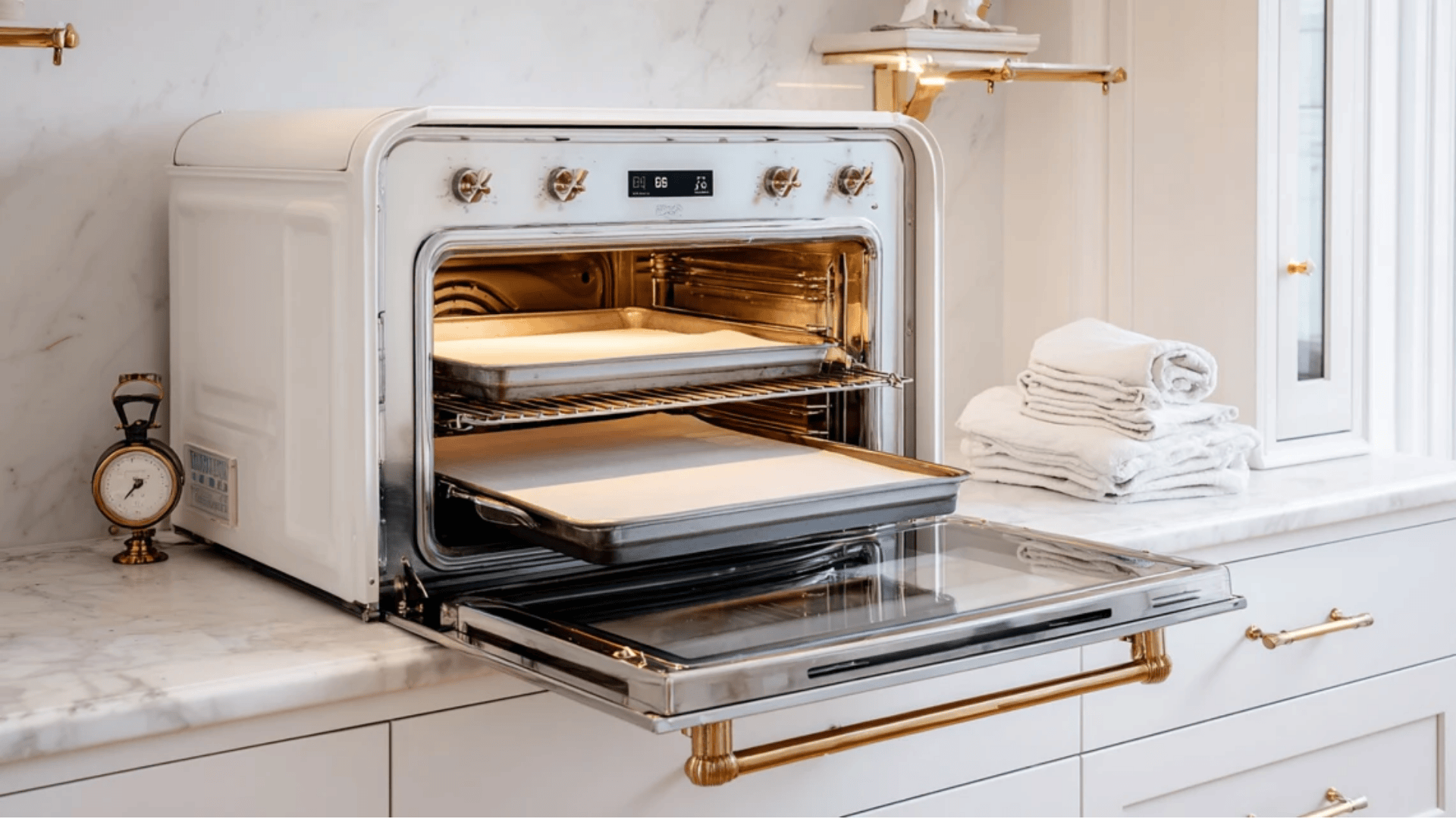
Preheat oven to 375°F and line baking sheets with parchment paper. Position racks in the upper and lower thirds of the oven.
I do this first so the oven is fully hot when the dough is ready. Parchment helps the cookies bake evenly and prevents over-browning on the bottoms.
Step 2: Cream Butter and Sugar Properly
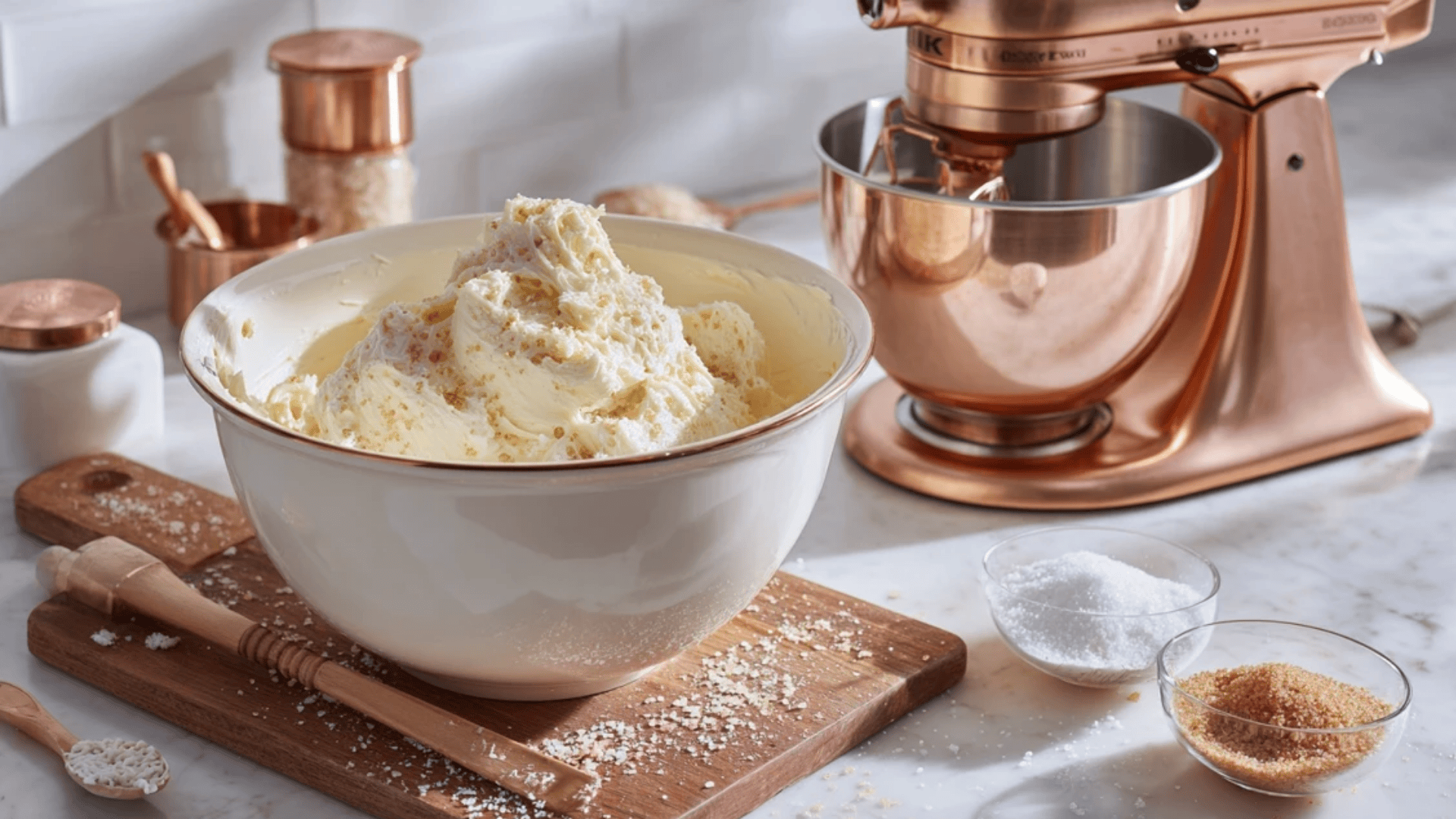
Beat the softened butter and granulated sugar together for 3–4 minutes, until the mixture looks pale, fluffy, and slightly increased in volume.
This step builds the cookie’s texture. Proper creaming traps air in the dough, keeping the cookies tender rather than dense. If the mixture still looks heavy or grainy, keep mixing.
Step 3: Add Eggs and Vanilla Extract
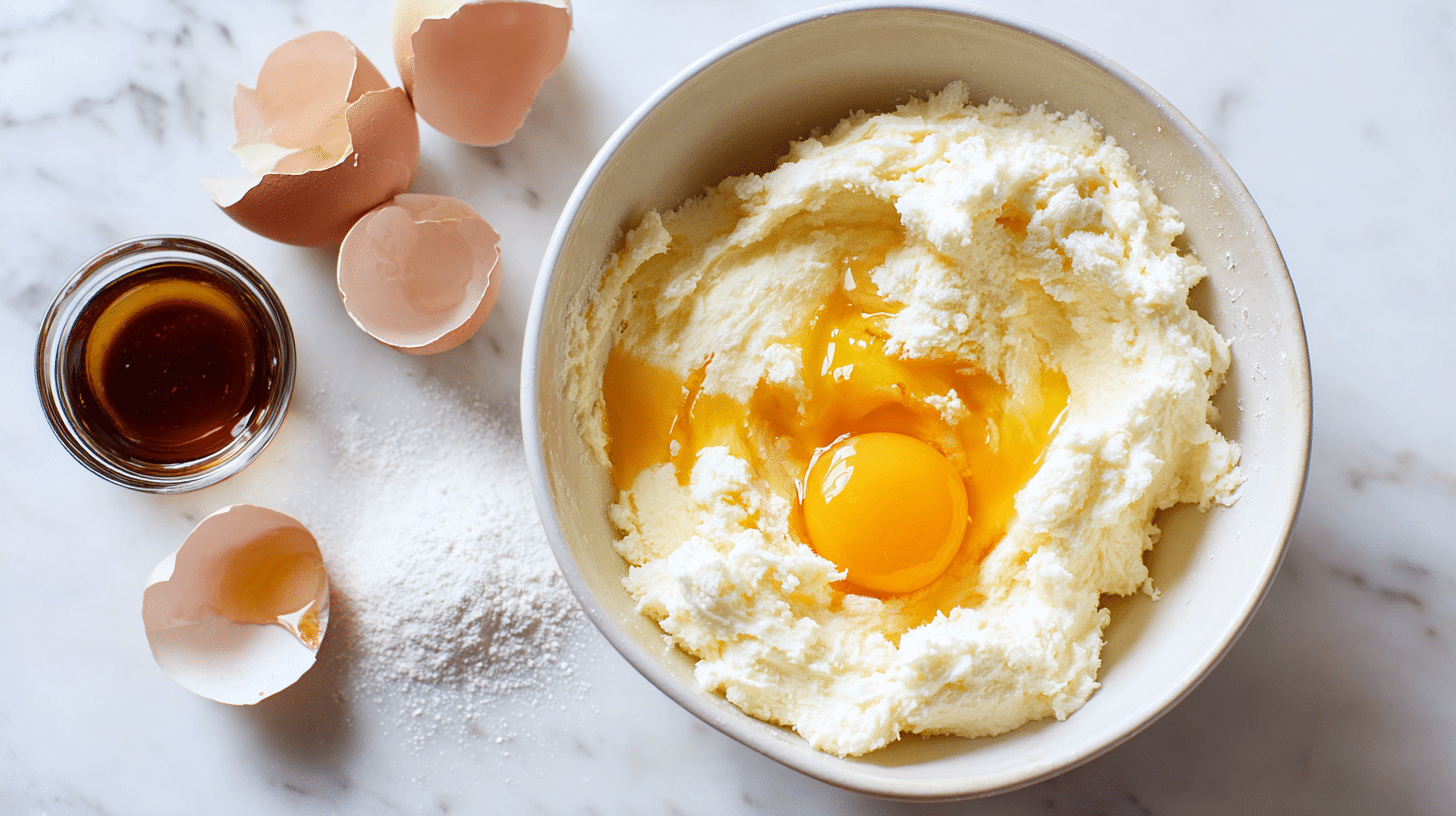
Add the egg and vanilla extract and mix just until combined and smooth.
At this stage, I stop mixing as soon as everything comes together. Overmixing here can tighten the dough, resulting in firmer cookies rather than soft centers.
Step 4: Incorporate Dry Ingredients Carefully
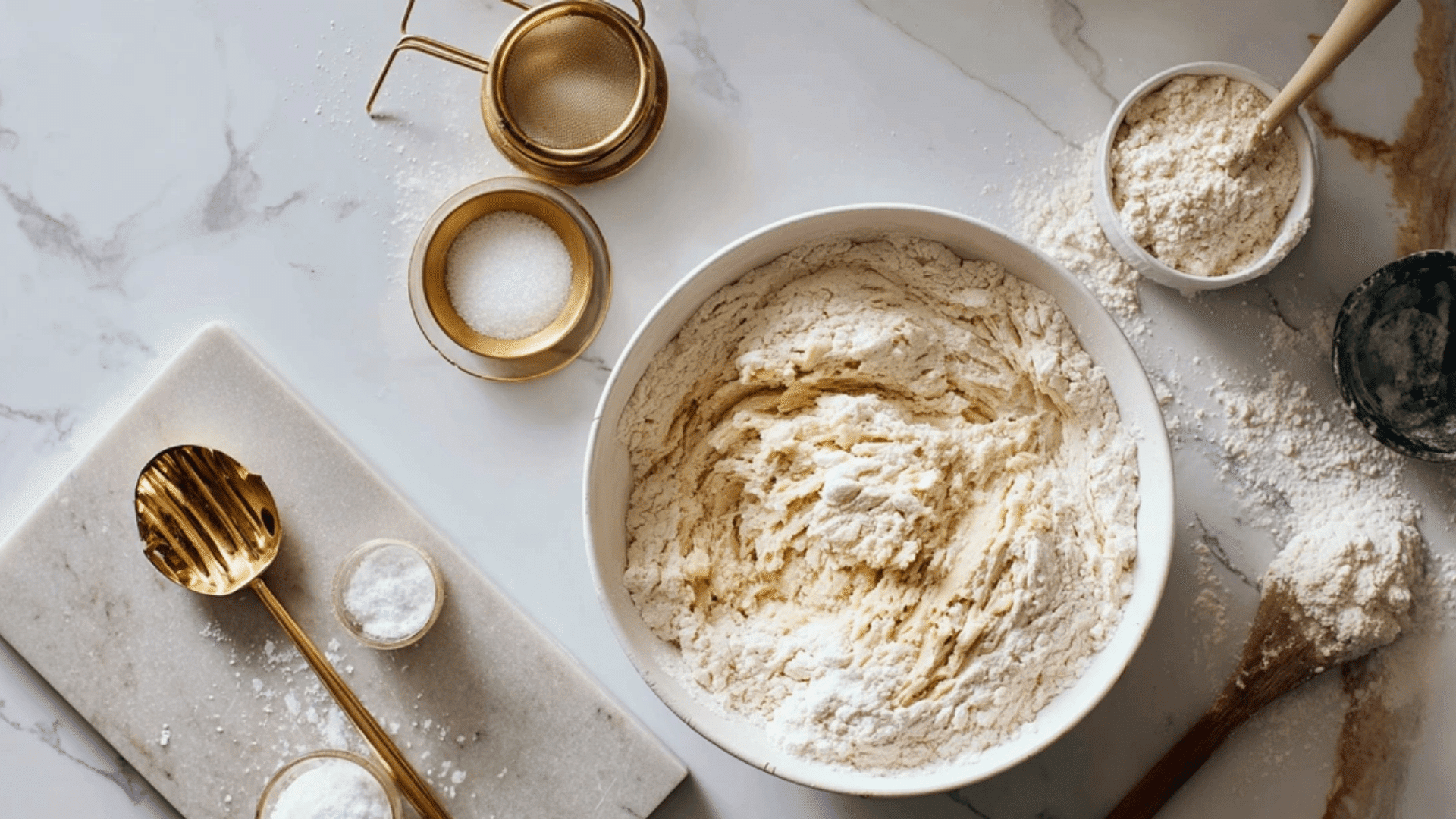
Gradually mix in the flour, baking powder, and salt on low speed, stopping as soon as no dry streaks remain.
Once flour is added, less mixing is better. Overworking the dough develops gluten, which can make cookies tough rather than tender.
Step 5: Fold in Chocolate Chips Evenly
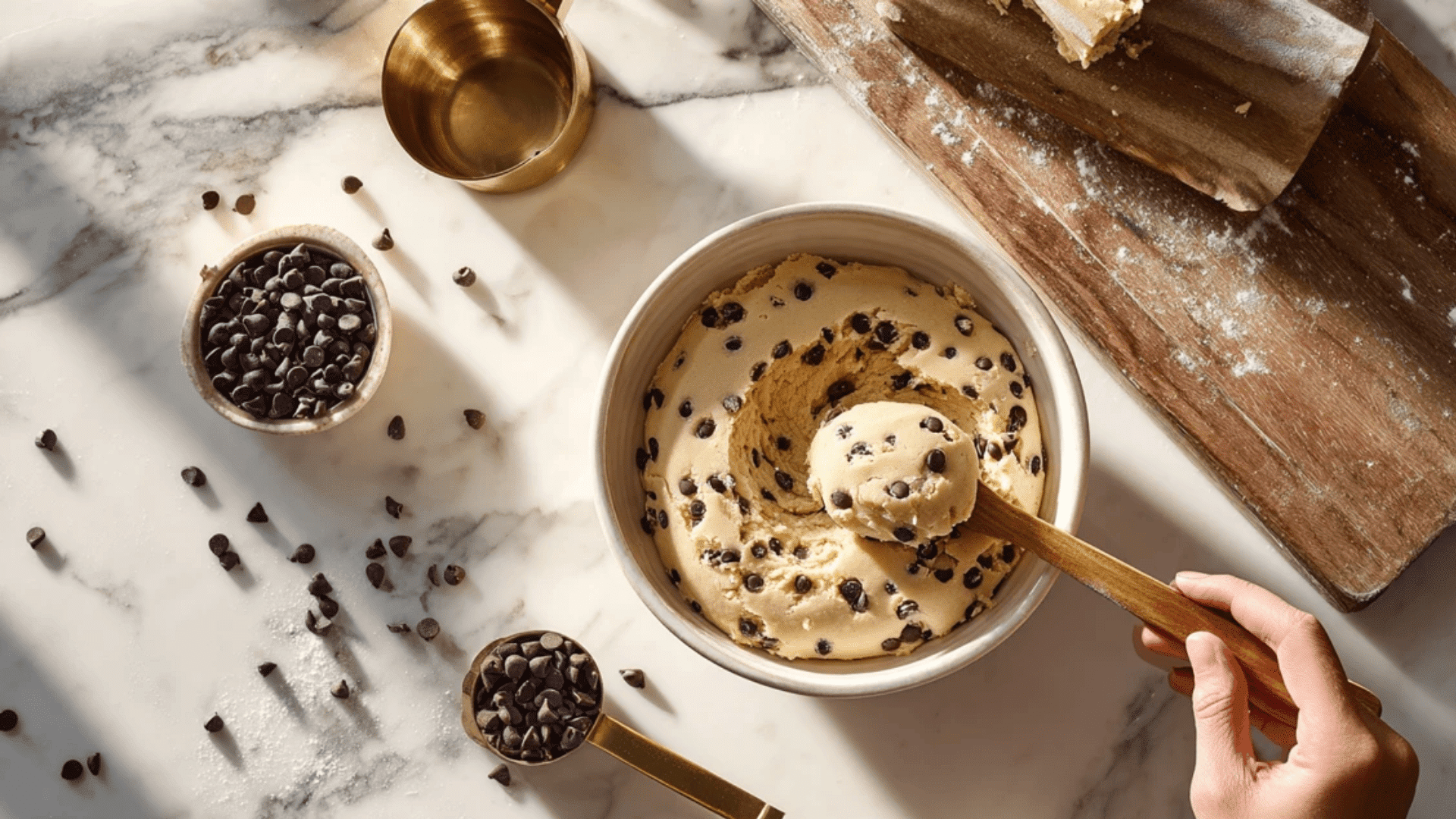
Fold in the chocolate chips by hand until evenly distributed.
I prefer folding instead of mixing to avoid overworking the dough. If the dough feels very soft or warm, chilling it for 20–30 minutes helps the cookies bake thicker with less spread.
Step 6: Bake and Cool for Perfect Results
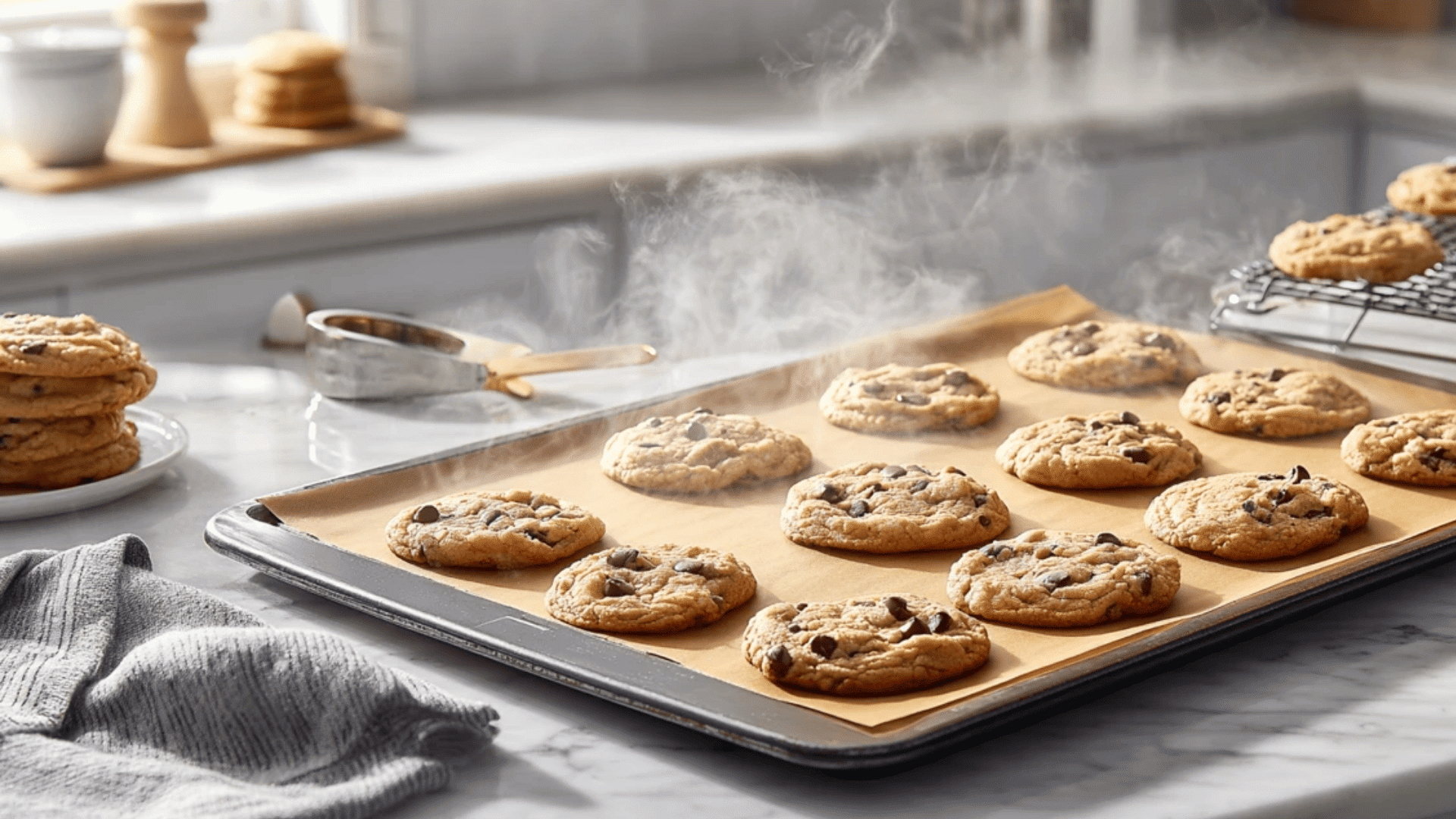
Scoop rounded tablespoons of dough onto the prepared baking sheets, spacing them about 2 inches apart. Bake for 9–11 minutes, until the edges are lightly golden and the centers still look slightly soft.
This is the most important visual cue. The cookies finish setting as they cool, so pulling them early keeps the centers soft and buttery instead of dry.
Prep & Timing Overview
Planning ahead makes baking smoother. Use this quick reference to know how long the recipe takes from start to finish.
| Prep & Timing | Details |
|---|---|
| Prep Time | 15 minutes |
| Bake Time | 9–11 minutes per batch |
| Total Time | 25 minutes |
| Yield | 22–24 cookies |
These numbers are based on standard cookie scoop sizes and a typical oven. Adjust slightly if making larger or smaller cookies.
Fixing Common Cookie Mistakes
Even tested recipes can misbehave. Use these quick fixes to spot problems fast and correct them before the batch is lost.
- Cookies spread too much:The butter is too warm, or the dough is too soft.Chill the dough 20–30 minutes before baking.
- Cookies turn dry: overbaked. Remove when the edges are set, but the centers still look soft.
- Uneven browning: Oven heat is uneven; rotate baking sheets halfway through baking.
- Chocolate chips sink: Dough too soft; chill briefly or use mini chips.
- Chocolate chips burn: Chips exposed on top; press them slightly into the dough before baking.
These small adjustments can quickly rescue a batch and help you understand how the dough behaves, leading to better results next time.
What Makes These Different from Regular Cookies
These cookies are made with a sugar-cookie style dough, which gives them a lighter, softer texture than classic chocolate chip cookies.
They hold their shape well in the oven, spreading evenly without becoming thin.
The texture is more tender and buttery than chewy, making them easy to eat without being overly rich.
That structure also makes them great for customising, sprinkles, seasonal colours, or different types of chocolate chips mix in cleanly without affecting how the cookies bake.
Nutrition Facts
These chocolate chip sugar cookies are soft, chewy, and loaded with rich chocolate chips, a classic treat for any sweet tooth.
| NUTRITION INFORMATION | PER COOKIE (APPROX. 40 G) |
|---|---|
| Calories | 190 kcal |
| Sugar | 16 g |
| Sodium | 115 mg |
| Fat | 9 g |
| Carbohydrates | 26 g |
| Fiber | 1 g |
| Protein | 2 g |
| Cholesterol | 20 mg |
Note: Nutrition values are estimated based on a standard batch yielding about 24 cookies made with butter, sugar, flour, eggs, vanilla, and semi-sweet chocolate chips. Actual values may vary slightly depending on ingredients and baking methods.
Recipe Variations for Chocolate Chip Cookies
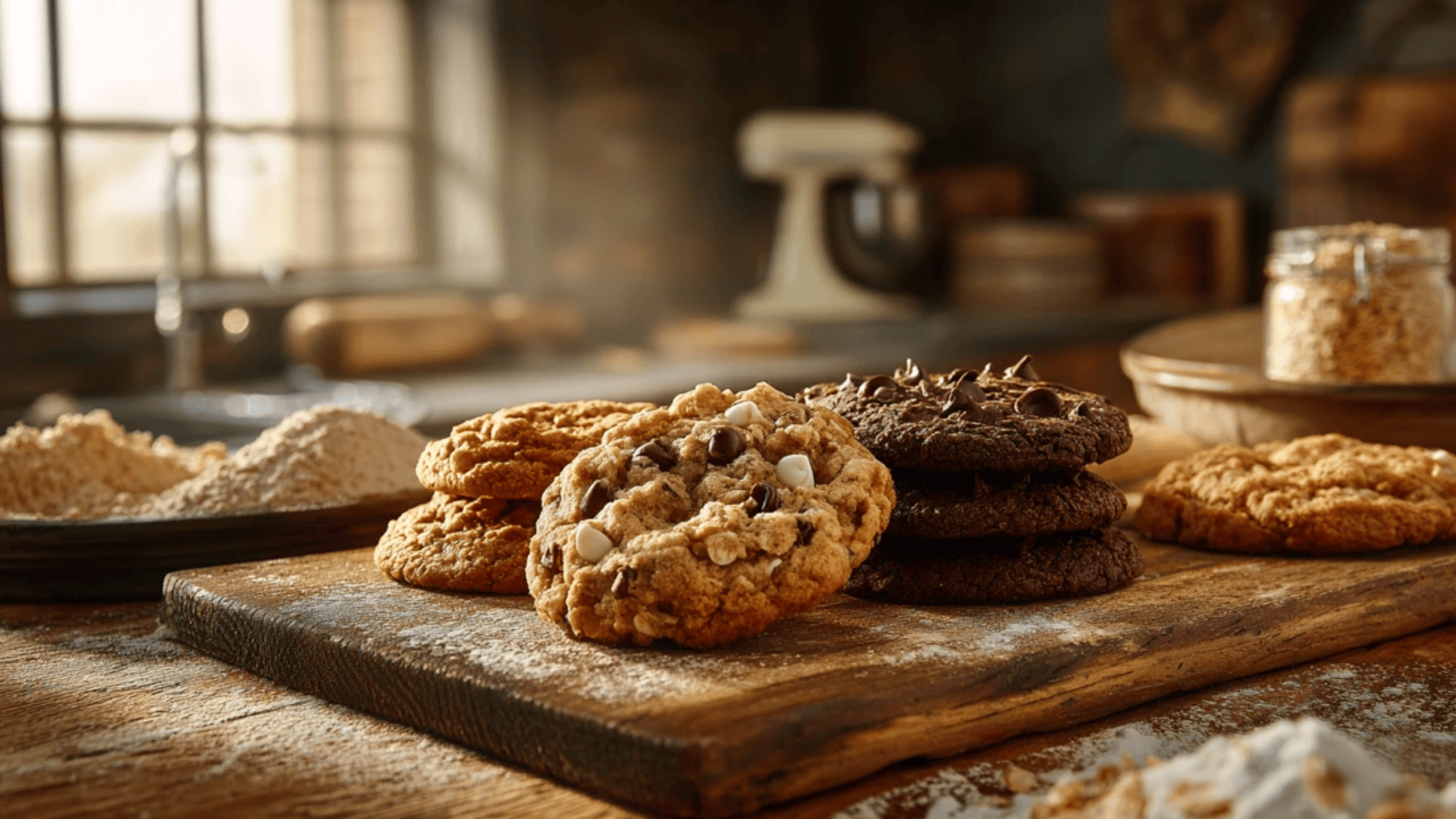
Looking to switch things up from the classic chocolate chip cookie? Here are five popular variations that bring new flavours and textures to your favourite treat:
- Chewy Style: Use more brown sugar than white and add an extra egg yolk for soft, chewy centres.
- Crunchy & Thin: Use all white sugar, reduce moisture (less egg), and flatten dough before baking.
- Gluten-Free: Swap all-purpose flour with a gluten-free 1:1 baking blend; chill dough for better texture.
- Double Chocolate: Add cocoa powder to the dough and mix in dark or white chocolate chips for a rich flavour.
- Oatmeal Chocolate Chip: Replace some flour with rolled oats for a hearty bite and nutty flavour.
If you’re baking for chewy fans or crisp lovers, these variations ensure there’s a perfect cookie for every craving.
Tips for Better Cookies
A few small habits make a noticeable difference in how these cookies bake, especially their shape and texture.
- Let the butter soften at room temperature (skip the microwave so it doesn’t melt).
- Use a cookie scoop so the cookies bake evenly.
- Mix just until the flour disappears; overmixing can make them dense.
- Chill the dough for 20–30 minutes to achieve thicker cookies with less spread.
- Line the baking sheet with parchment paper for even browning and easy release.
With these simple tweaks, you’ll get cookies that bake evenly, hold their shape, and stay soft in the center.
Storing and Freezing Your Cookies
Store baked cookies in an airtight container at room temperature for up to 5–7 days to keep them soft.
For make-ahead baking, the cookie dough can be covered and refrigerated for up to 3 days.
Dough also freezes well: portion it into balls and freeze for up to 2 months, then bake straight from frozen, adding 1–2 minutes to the baking time.
Fully baked cookies can also be frozen for up to 2 months; thaw at room temperature before serving for the best texture and flavour.
Final Thoughts
These cookies prove you don’t need complicated ingredients to get a great result, just the right texture cues and timing.
Once you know what the dough should look like and when to pull the tray, the cookies come out with soft centers, set edges, and chocolate in every bite.
If your first batch spreads more than you expected, it’s easy to adjust by chilling the dough briefly or by checking the butter’s temperature.
After a couple of rounds, you’ll have a feel for your oven, and the recipe becomes automatic.
And once you’ve learned how to make chocolate chip sugar cookies, you can swap chips, add sprinkles, or change extracts without losing the base.
Frequently Asked Questions
How Do I Store Chocolate Chip Sugar Cookies?
Keep cookies in an airtight container at room temperature. They’ll stay fresh and soft for about 5–7 days without drying out.
Can I Freeze The Cookie Dough?
Absolutely. Shape the dough into balls, freeze on a tray, then store in bags. Bake straight from frozen with extra minutes.
Why Are My Cookies Flat?
Flat cookies usually mean warm dough or too much butter. Chill the dough for 30 minutes to help it hold shape better.
Can I Use Brown Sugar Instead Of White?
Yes. Brown sugar adds chewiness and a caramel flavour. Your cookies may be softer and darker, but still taste delicious.