







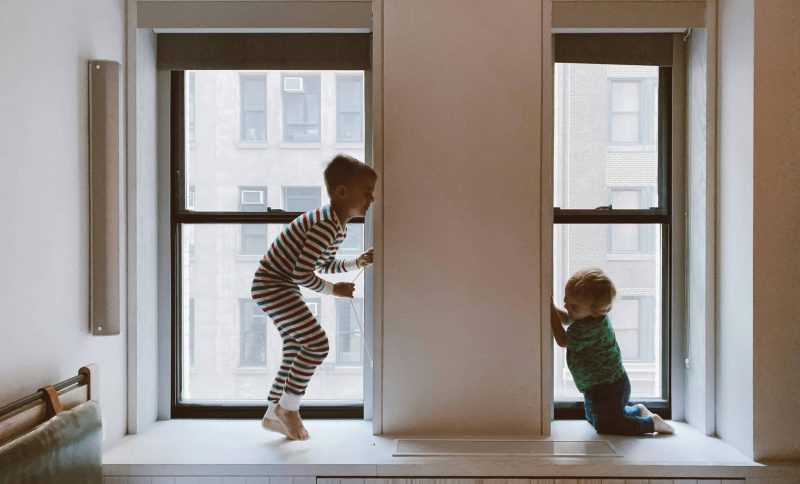
A home should be more than a place to sleep at night. It should be a space where conversations flow naturally, where children feel safe and supported, and where everyday moments turn into lasting memories. Yet many families find themselves living in houses that feel disconnected — closed-off layouts, cramped kitchens, limited gathering areas, or rooms that simply don’t support how they actually live.
If your home feels more like a collection of separate rooms than a shared living environment, you are not alone. Modern life is busy. Between work, school, and digital distractions, families often struggle to find meaningful time together. The design of your home can either contribute to that separation or help bridge it. Thoughtful planning makes it possible to create a space that encourages interaction, comfort, and togetherness.
Designing a home that brings families together starts with understanding how connection happens in daily life — and then building around those moments.
Start With the Way Your Family Lives
Before thinking about finishes or furniture, step back and observe your daily routines. Where does your family naturally gather? Is it around the kitchen island? In the living room during movie nights? At the dining table during meals?
Many homes are designed with formality in mind, but families thrive in spaces that feel welcoming and functional. If the kitchen is too small for more than one person to cook, it can limit shared experiences. If the living room layout discourages conversation, family members may retreat to separate spaces.
Ask practical questions:
- Do we eat together regularly?
- Do the kids need space for homework nearby?
- Do we host extended family often?
- Do we need quiet zones as well as shared spaces?
Answering these questions gives clarity about what your home truly needs.
Create an Open Yet Balanced Layout
Open floor plans are popular because they eliminate barriers between the kitchen, dining, and living areas. This setup allows parents to cook while supervising children, encourages casual conversation, and makes hosting easier.
However, openness alone is not enough. The space should still feel organized and intentional. Use area rugs, lighting fixtures, and furniture placement to define zones within an open layout. A reading corner by the window, a cozy sectional for family movie nights, and a well-lit dining space can coexist beautifully without walls dividing them.
The key is balance. Too many closed-off rooms can isolate family members, while completely undefined spaces can feel chaotic. A thoughtful layout ensures everyone feels connected while still having personal breathing room.
Design a Kitchen That Encourages Gathering
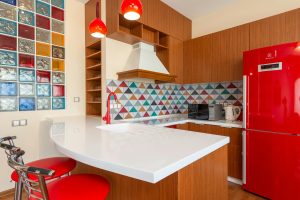
The kitchen often becomes the heart of family life. It is where meals are prepared, homework happens, and quick conversations unfold during busy mornings.
To design a kitchen that brings everyone together:
- Include a large island with seating.
- Ensure enough counter space for multiple people.
- Use durable, easy-to-clean materials.
- Add warm lighting for a welcoming atmosphere.
A well-planned kitchen invites participation. Children can help with meal prep. Guests can sit and chat. Family members can gather without feeling crowded.
For families building from the ground up, collaborating with experienced custom home builders can ensure the kitchen layout supports real-life use rather than just visual appeal. Professional insight can make a significant difference in how functional and welcoming the space feels long-term.
Include Multi-Functional Family Spaces
Family life is dynamic. A single-purpose room often becomes underused over time. Instead, focus on flexibility.
A bonus room can serve as a playroom when children are young and later transform into a study or media room. A finished basement can become a game room, guest suite, or hobby area. Sliding doors or movable partitions can create privacy when needed without permanently separating spaces.
Flexibility keeps the home relevant as your family grows and changes.
Prioritize Shared Dining Experiences
Even in busy households, shared meals remain one of the strongest bonding opportunities. Designing a comfortable dining area encourages this tradition.
Choose a table large enough to seat everyone comfortably. Make sure the space feels inviting with proper lighting and minimal clutter. If space allows, position the dining area near the kitchen to create a seamless flow.
In some families, a casual breakfast nook works better than a formal dining room. The goal is not perfection but comfort and accessibility.
Build Comfortable Outdoor Connections
Family connection does not have to stay indoors. Outdoor living areas provide opportunities for shared experiences.
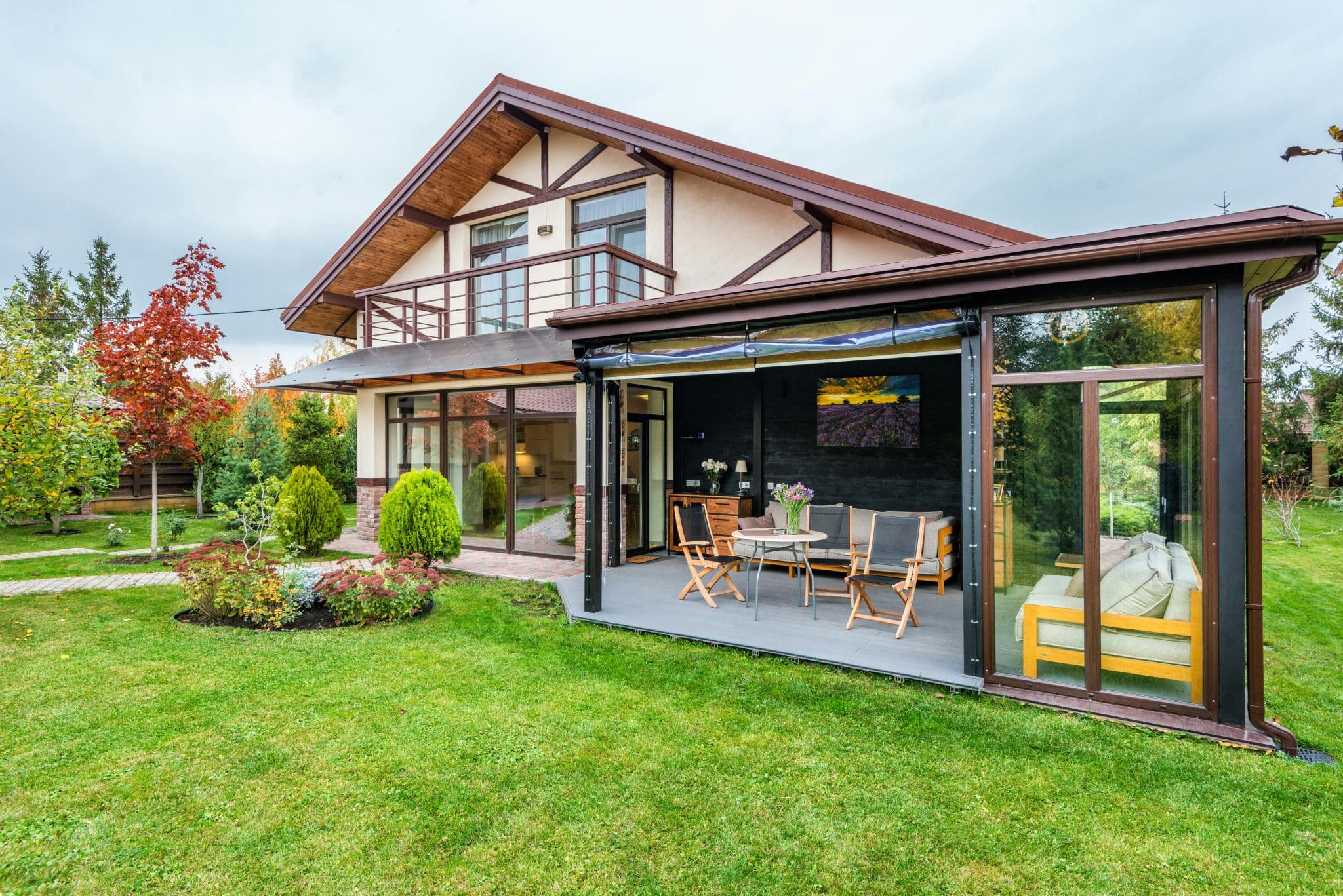
A covered patio with seating, a fire pit for evening gatherings, or a simple backyard play area can extend your living space. Even small yards can include meaningful features like a garden or outdoor dining table.
Outdoor spaces promote relaxation and conversation without digital distractions. They also provide children with room to play while staying close to family.
Incorporate Quiet Retreats
While connection is essential, personal space matters too. Designing a home that brings families together also means respecting individual needs.
Create small retreats:
- A reading nook in the bedroom.
- A quiet office space.
- A cozy corner with a comfortable chair and lamp.
When family members have places to recharge, they return to shared areas feeling refreshed rather than overwhelmed.
Use Design to Encourage Interaction
Subtle design choices can strengthen togetherness. For example:
- Position seating to face each other instead of only toward a television.
- Add board game storage in the living room.
- Install built-in benches near entryways where conversations naturally happen.
Technology management is another consideration. Charging stations placed in common areas instead of bedrooms can gently encourage shared time over isolated screen use.
Focus on Durability and Comfort
A family-focused home should be practical. Choose materials that withstand daily life. Durable flooring, washable paint finishes, and stain-resistant fabrics reduce stress and maintenance.
Comfort should also guide decisions. Soft textiles, warm lighting, and cozy seating make shared spaces more inviting. When a room feels comfortable, people naturally gather there.
For families exploring long-term solutions, thoughtfully planned custom homes allow for intentional material choices and layouts tailored to lifestyle priorities. Starting with a clear vision helps ensure the finished result truly supports family connection.
Plan for the Future
Families evolve. Children grow. Needs shift. Designing with flexibility ensures your home continues to serve you well over time.
Consider:
- Extra storage for growing families.
- Space that can convert into a home office.
- Wider doorways or accessible features for aging relatives.
Future-focused design prevents the need for frequent major renovations and keeps the home functional for years.
Make It Personal
A home that brings families together should reflect shared memories and values.
Display family photos in a meaningful way. Create a wall where children’s artwork can rotate. Dedicate shelf space to travel souvenirs or heirlooms.
Personal touches make the space feel uniquely yours. They spark conversation and remind everyone of shared experiences.
Communicate Throughout the Process
Whether renovating or building new, communication is crucial. Family members should feel heard in the design process.
Invite input from children about their rooms. Discuss priorities openly with your partner. Align on budget expectations and long-term goals.
When everyone contributes, the finished home feels like a shared achievement.
Final Thoughts
Designing a custom home that brings families together is not about luxury or trends. It is about intention. It means creating spaces that encourage conversation, shared meals, laughter, and everyday connection.
By focusing on layout, flexibility, comfort, durability, and personal touches, you can transform a house into a true gathering place. When your home supports how your family lives — both now and in the future — it becomes more than just a structure. It becomes the foundation for meaningful moments and lasting memories.