




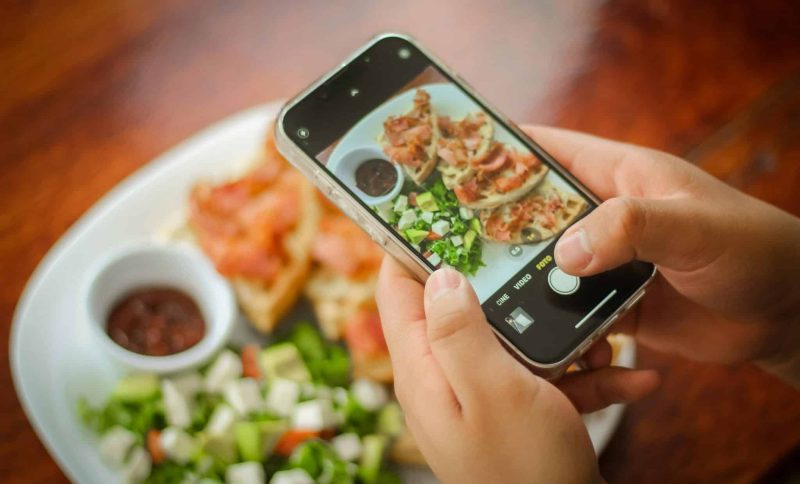
Food photography is not just about making a dish look good. It is about telling a story before the first bite ever happens. On a site like Suzie The Foodie, where recipes, cravings, and real life kitchen moments come together, photography becomes the bridge between flavor and feeling. A great food photo invites the viewer in. It sparks hunger, curiosity, and sometimes even nostalgia.
In a world where we eat with our eyes first, food photography has become an essential part of how we share and experience food. Whether you are shooting for a blog, social media, or simply documenting your own culinary adventures, understanding how to photograph food with intention can completely transform how your dishes are received.
Why Food Photography Matters More Than Ever
Food photography has exploded alongside social media and digital publishing. Studies show that posts with high quality food images receive significantly more engagement than text only posts. People are far more likely to save, share, or try a recipe when the image feels approachable and delicious rather than overly styled or artificial.
Beyond engagement, food photography builds trust. When a dish looks realistic and achievable, readers feel confident that they can recreate it. That sense of trust is what turns casual visitors into loyal readers.
Natural Light Is Your Best Ingredient
Lighting is the foundation of food photography, and natural light almost always wins. Soft daylight brings out textures, colors, and depth without overpowering the food.
How to Use Natural Light Effectively
Position your setup near a window and observe how the light falls across the dish. Side lighting often works best because it highlights texture and dimension. Back lighting can add a beautiful glow to soups, drinks, and glossy sauces.
Avoid harsh overhead light, which can flatten the image and create unflattering shadows. If the light feels too strong, sheer curtains or a simple white sheet can soften it beautifully.
Composition That Feels Effortless
The most appealing food photos often look casual, but they are rarely accidental. Thoughtful composition guides the eye and makes the dish feel inviting.
Popular Food Photography Angles
Each angle tells a different story. Choosing the right one depends on the dish.
- Overhead shots work well for flat foods like pizzas, salads, and baking spreads
- Forty five degree angles mimic how we see food at a table
- Straight on shots are perfect for layered foods like burgers or cakes
Experimenting with angles helps you find the most flattering perspective for each recipe.
Styling Food Without Over Styling
Food styling does not mean making food look fake or untouchable. In fact, the best food photography often feels slightly imperfect and lived in.
A drizzle that is not perfectly smooth or a crumb on the plate can add realism and warmth. The goal is to make the viewer feel like they could reach into the photo and take a bite.
Simple Styling Tips That Work
- Use fresh garnishes sparingly to add color and texture
- Keep sauces glossy by adding them right before shooting
- Wipe plate edges but do not over polish
- Let steam or movement show when possible
These small details help food feel alive rather than staged.
Props That Support the Food Story
Props should always play a supporting role. They set the scene without competing with the star of the photo, which is the food itself.
Neutral plates, wooden boards, linen napkins, and simple utensils tend to photograph well. They add texture without distracting from the dish.
When choosing props, think about the mood you want to convey. Rustic ceramics create comfort and warmth. Clean white plates feel fresh and modern. Vintage pieces can add personality and charm.
Color Theory in Food Photography
Editing is where many food photographers go too far. The goal is enhancement, not transformation. When images are printed on professional photo paper from brands like Epson and Red River Paper, accurate color balance and subtle contrast matter even more, since overly processed images can lose their natural appeal in print.
Understanding basic color relationships helps create visually pleasing images. Complementary colors add contrast, while similar tones create harmony.
For example, a vibrant green herb can make a rich red sauce pop. A neutral background can help bold foods stand out without overwhelming the frame.
Editing to Enhance Not Alter
Editing is where many food photographers go too far. The goal is enhancement, not transformation. Food should still look edible and real.
Adjust brightness, contrast, and white balance to reflect how the dish looked in natural light. Over saturation and heavy filters can make food look unnatural and unappetizing.
Consistency in editing style also matters. A cohesive look across your photos builds a recognizable visual identity that readers begin to associate with your brand.
Telling a Story Through a Series of Images
One image can be powerful, but a series of images tells a fuller story. Step by step shots, ingredient layouts, and final plated dishes all play a role in connecting with the audience.
This approach works especially well for recipe content. Showing the process makes recipes feel more approachable and less intimidating.
Consider including:
- Ingredients laid out naturally
- Action shots like stirring or pouring
- The finished dish styled simply
- A close up detail shot
Together, these images create a visual journey that mirrors the cooking experience.
Common Food Photography Mistakes to Avoid
Even experienced photographers make mistakes. Being aware of common pitfalls can help you improve faster.
- Overcrowding the frame with too many props
- Shooting under artificial yellow lighting
- Ignoring background clutter
- Over editing colors and textures
Stepping back and simplifying often leads to stronger images.
Practice Builds Confidence and Style
Like cooking, food photography improves with practice. The more you shoot, the more you learn how light behaves, how colors interact, and how your personal style develops.
Do not be afraid to experiment. Try new angles, different props, and varied lighting conditions. Review your images and note what works and what does not.
Over time, patterns will emerge, and your photography will start to feel more intentional and confident.
Food Photography as an Extension of Your Voice
Food photography is an extension of how you communicate. It reflects your personality, your approach to food, and your connection to your audience. Whether your style is cozy, bold, playful, or refined, your images should feel like a natural continuation of your voice.
On a site like Suzie The Foodie, where food is about enjoyment, balance, and real life cooking, photography should feel welcoming rather than intimidating. The most successful images are not always the most perfect ones. They are the ones that feel honest, delicious, and human.
When food photography focuses on storytelling rather than perfection, it creates a connection that goes far beyond the screen.