






Recalls undoubtedly affect consumer trust and operational stability. The biggest recalls in history reveal a troubling trend: the Food and Drug Administration issued 571 recalls in 2025. This marked a 15.4% increase from the previous year. The volume is even more alarming. We saw 138.5 million units recalled, which represents a 209% surge. These numbers hit close to home for restaurant operators. The 2024 Boar’s Head recall due to listeria contamination resulted in over 50 hospitalizations and at least 10 deaths. Knowledge of the biggest food recalls in history helps us prepare for future incidents and protect our businesses. We’ll get into major recalls food incidents and their immediate restaurant impacts. We’ll also look at the lasting industry changes they created.
Major Food Recalls That Changed the Industry
Several food recall incidents reshaped our approach to food safety. The Peanut Corporation of America salmonella outbreak between 2008 and 2009 infected 714 people across 46 states and resulted in nine deaths. This became one of the biggest food recalls in history. The scope was massive, but the criminal intent behind it made it worse. Investigators found emails showing executives knowingly shipped contaminated products. One infamous message read “just ship it” at the time salmonella test results were delayed. The company recalled more than 3,600 products and filed for bankruptcy. Stewart Parnell, the CEO, received a 28-year prison sentence. This was the harshest sentence ever imposed in a foodborne outbreak case.
High-Profile Cases That Reshaped Food Safety
The Hallmark/Westland beef recall in 2008 became the largest in U.S. history at 143 million pounds. An undercover video exposed workers abusing sick “downer” cattle and violating regulations meant to prevent Mad Cow disease from entering our food supply. No illnesses were reported, but 37 million pounds had gone to school lunch programs.
The 2011 Cargill ground turkey recall pulled 36 million pounds from stores after an antibiotic-resistant salmonella strain killed one person and sickened 75 others. These incidents forced us to think over our whole approach to food safety management.
Immediate Effects of These Recalls on Restaurants
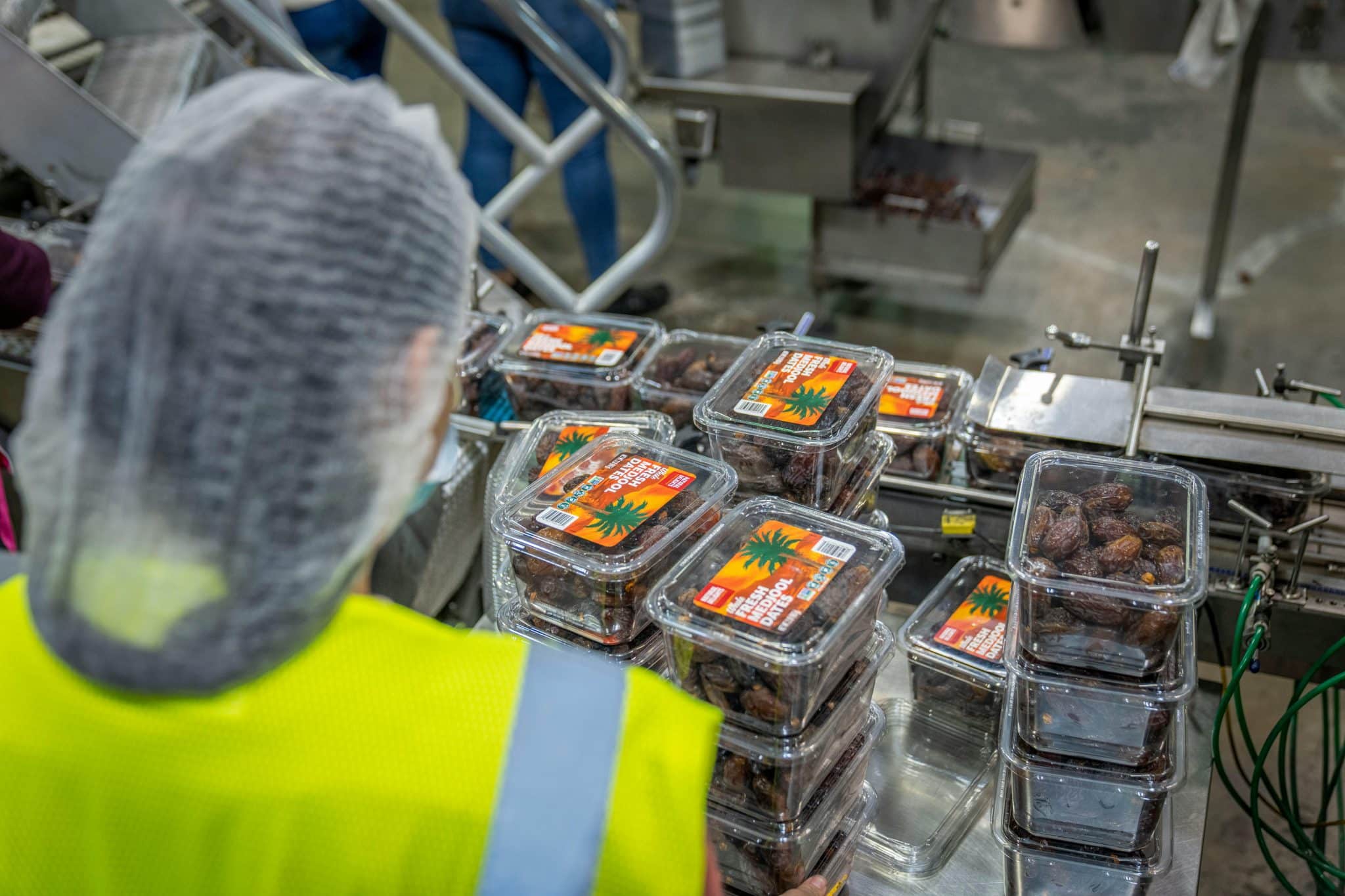
Restaurants face an immediate operational crisis when food recalls strike. This goes way beyond removing a single ingredient at the time food recalls strike. Supply chain disruption happens first. We scramble to identify recalled items through lot numbers on original containers and verify details with suppliers. Staple ingredients become suddenly unavailable and force menu limitations, especially when you have contaminated products like lettuce that affect multiple dishes.
Supply Chain Disruption and Documentation Pressure
Staff must divert from regular duties to segregate recalled products and prevent cross-contamination. State regulations just need proper documentation of every step: the date of action, number of units removed, lot numbers and disposal methods. Suppliers often ask for photographic proof of destruction. We must ensure products are destroyed in ways that prevent dumpster diving.
Customer Trust and Sanitation Response
Customer service takes a hit as complaints flood in. We handle refunds, replacements and compensation while trying to maintain trust. The financial toll mounts through wasted inventory, increased staff time and potential regulatory fines.
Complete cleaning becomes critical after a recall. We wash refrigerator walls, shelves, cutting boards and countertops, then sanitize everything with one tablespoon of chlorine bleach per gallon of hot water. This protocol applies to any surface that contacted contaminated food and prevents further illness risk.
When recalled food reaches a customer’s plate and causes illness, the issue can move beyond reputation damage into legal liability. In many states, restaurants, suppliers and other businesses in the chain may be held responsible for foodborne illness under negligence or strict liability principles. ConsumerShield notes that serving recalled or contaminated food can become the basis for a food poisoning claim when a customer suffers medical costs, lost income or other losses, and it can also help connect injured individuals with attorneys who can evaluate their legal options.
Lasting Changes Shaped by Historical Recalls
Regulatory frameworks and industry systems evolved following the biggest recalls in history. The FDA lacked mandatory recall authority before 2011, but the Food Safety Modernization Act changed everything. This legislation moved us from responding to foodborne illness to preventing it. We recognized that 48 million people get sick annually from preventable foodborne diseases.
Regulatory Shifts and New Supply Chain Risks
Modern supply chains created new vulnerabilities because of their complexity. Total recalls dropped to 495 from 506 in 2024, but the number of impacted units surged over 350 percent in the last quarter alone. The jump went from 4.62 million to 21.15 million. Our supply systems have “become so complicated that there are more and more blind spots,” and we needed better tools to manage risk.
Technology, Insurance, and Consumer Confidence
Technology drove this transition. Digital inventory systems integrated with supplier data now flag recalled products and reduce contaminated items reaching customers. Automation improves speed, accuracy and traceability throughout supply operations.
Financial pressures mounted. Recall insurance premiums rose with claims frequency, and underwriters demanded rigorous documentation of quality control systems and recall management plans. Despite these challenges, 62 percent of U.S. adults still trust the food industry to provide safe products. However, 93 percent express concern about recall frequency.
Why Preparedness Now Defines Restaurant Resilience
The biggest recalls in history taught us valuable lessons that continue to shape restaurant operations today. These incidents pushed our industry toward prevention rather than reaction. Stronger regulations and better technology now protect both businesses and customers. Staying informed about recall procedures and maintaining rigorous food safety protocols isn’t optional anymore. Your preparation today determines how well you’ll respond when the next recall arrives.