








Even the tidiest kitchens can have hidden problems. You might keep your counters clean and dishes washed, but pests have a way of sneaking in when food is stored the wrong way. Tiny ants in the pantry or fruit flies hovering over a bowl of fruit aren’t just annoying—they’re often a sign that subtle mistakes in your storage habits are inviting them in.
It’s easy to overlook how common habits can make your kitchen irresistible to pests. According to experts at Miller Pest Solutions, even minor oversights, like leaving a bag of cereal unsealed or storing fruit on the counter too long, can create a perfect environment for unwanted invaders. The good news is that many of these mistakes are simple to fix once you know what to look for.
Even small details, like crumbs left on a shelf or a slightly open container, can add up over time. Pests are experts at finding the tiniest openings and can reproduce quickly if they find a food source. This is why many homeowners looking into pest control in Plainwell are surprised to learn that the root cause often starts inside the pantry, not outside the home.
Storing Food in Unsealed Containers
Keeping food in its original packaging might seem convenient, but it can be a major invitation for pests. Cardboard boxes, thin plastic bags, or containers without airtight seals don’t do much to keep insects out. Pantry pests like ants, beetles, and moths can easily chew through or crawl inside packaging to get to your food.
The Problem
- Original packaging often has small openings or tears that pests can exploit.
- Even tightly closed boxes or bags can allow odors to escape, attracting insects.
Easy Fixes
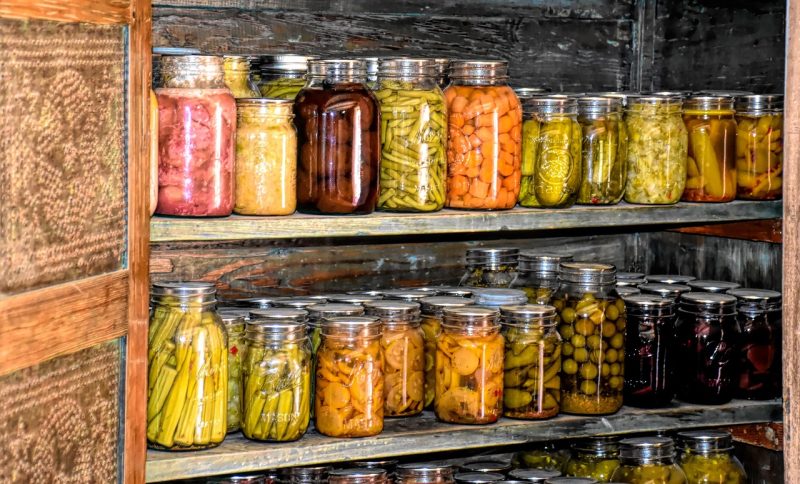
- Transfer grains, cereals, and snacks into airtight containers. Clear plastic or glass works best so you can see what’s inside.
- Make sure lids fit tightly and check them regularly for cracks or warping that could let pests sneak in.
Forgetting About Expiration Dates
Old or forgotten food doesn’t just taste bad—it attracts pests. Many insects are drawn to the smell of decaying or stale food before it’s even noticeable to humans. Regularly ignoring expiration dates can turn your pantry into a magnet for ants, beetles, and other critters.
The Problem
- Pests are attracted to the smell of food before it’s spoiled.
- Forgotten or expired items can sit for months unnoticed, giving pests time to multiply.
Easy Fixes
- Rotate pantry items so older food is used first, following a “first in, first out” system.
- Check expiration dates weekly, and toss anything that’s past its prime. This simple habit drastically reduces opportunities for pests to invade.
Leaving Fruits and Vegetables Out Too Long
Fresh fruits and vegetables are essential, but when left out too long, they become magnets for pests. Overripe produce releases smells that insects love, while some fruits produce ethylene gas that speeds up ripening and decay, attracting more pests.
The Problem
- Overripe fruits attract fruit flies and other insects.
- Certain fruits release gases that make nearby produce spoil faster, creating a cycle that pests love.
Easy Fixes
- Store perishable items in the fridge whenever possible to slow ripening.
- Keep only a small, manageable amount of fruit on the counter for daily use.
- Check produce daily and remove anything starting to decay.
Storing Food Near Trash or Dirty Dishes
No matter how carefully you store your food, placing it near trash or unwashed dishes undermines your efforts. The smells from garbage or leftover food scraps can draw pests right to your pantry. Even sealed containers are at risk if they’re near sources of strong food odors.
The Problem
- Trash, compost, or leftover dishes create strong attractants for pests.
- Pests can find their way to properly stored food if it’s too close to these sources.
Easy Fixes
- Take out the trash regularly and clean bins to remove lingering odors.
- Wash dishes promptly and wipe counters to ensure no crumbs or spills are left behind.
- Store food in areas away from trash or high-traffic cooking zones.
Overcrowding Your Pantry
A stuffed pantry might seem efficient, but it can create the perfect environment for pests. Crowded shelves limit airflow and create warm, humid spaces that insects love. Overcrowding also makes it harder to spot early signs of infestation, allowing pests to go unnoticed until the problem grows.
The Problem
- Limited airflow in tightly packed areas makes pests feel safe and undisturbed.
- Overcrowding makes it easy for crumbs, leaks, or early pest activity to be missed.
Easy Fixes
- Organize shelves with space between containers to encourage airflow.
- Check pantry shelves regularly, looking for crumbs, sticky residue, or damaged packaging.
- Consider rotating items to make inspection easier and prevent unnoticed buildup.
Ignoring Pet Food Storage
Pet food is a commonly overlooked source of pests in many homes. Bags of kibble or canned food left open or spilled on the floor can quickly attract rodents, ants, and beetles. Even if the food is in its original packaging, pests can detect it from a distance.
The Problem
- Open bags or spilled kibble provide easy access and a constant food source for pests.
- Some pests are specifically drawn to protein-rich pet foods, making it a hot spot for infestation.
Easy Fixes
- Store pet food in sealed, pest-proof containers.
- Clean pet feeding areas daily and remove any leftover food after meals.
- Inspect the storage area regularly for signs of pests, including droppings or chew marks.

Simple Steps to a Pest-Free Kitchen
Preventing pests doesn’t have to be complicated. By making a few changes to how you store food and care for your kitchen, you can keep pests out for good. Small habits—like using airtight containers, regularly checking expiration dates, and keeping your pantry organized—make a huge difference.
- Inspect food and storage areas frequently for signs of pests. Early detection stops infestations before they grow.
- Keep a clean, dry, and well-ventilated pantry. Moisture and warmth attract more pests than food alone.
- Make sure all family members know the rules for food storage. Consistency matters for long-term protection.
A little attention to these details creates a safe, clean environment where food stays fresh and pests stay out. Once you implement these habits, your kitchen and pantry will be healthier, safer, and far less appealing to uninvited visitors. By preventing problems before they start, you save time, money, and frustration.