






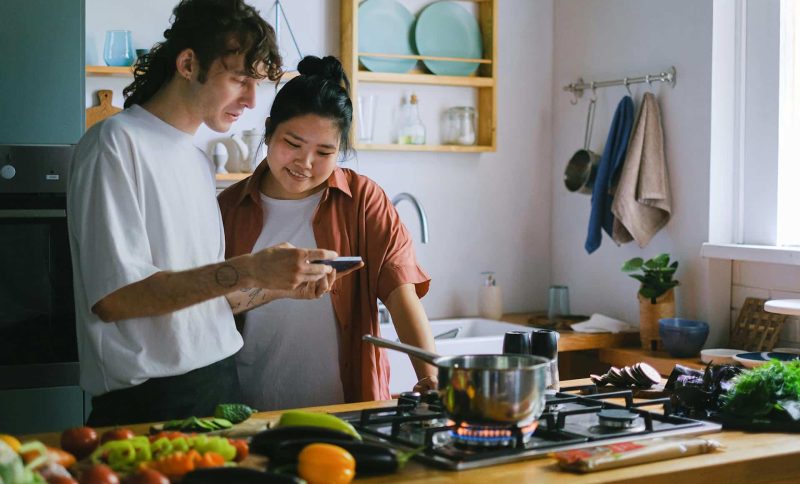
There’s a specific kind of magic that happens in a kitchen. It starts with the sound of a knife hitting a wooden cutting board or the smell of garlic hitting hot oil. For many of us, a food blog starts right there, in those quiet moments of creation. You take a photo because the light’s hitting the plate just right. You write a caption because you want to share the story of your grandmother’s Sunday roast.
Before you know it, you’ve got a digital scrapbook of your culinary life.
But then, something shifts. You notice the traffic climbing. You see people actually making your recipes and tagging you in their success stories. And you realize that this hobby, which started as a creative outlet, has the bones of something much bigger. Honestly, it’s a bit terrifying. Turning a food blog into a real brand is a big leap, though. It requires moving from the mindset of a creator to the mindset of a founder.
Have you ever looked at your analytics and wondered if this could actually be your “real” job?
Finding Your Core Identity
The first step in this transition is defining what your brand actually stands for. When it’s just a hobby, you can post a pasta dish one day and a lifestyle update the next. However, a brand needs a cohesive narrative.
Who are you feeding?
Are you the person who helps busy parents get dinner on the table in twenty minutes? Or are you the one exploring the deep, technical roots of sourdough and fermentation? Establishing this niche isn’t about limiting yourself. It’s about becoming the go-to resource for a specific group of people.
But here is the thing: when your audience knows exactly what to expect from you, they develop a level of trust that’s essential for a business. I guess you could say trust is the currency of the internet. This trust is the foundation of every profitable brand.
The Shift to Professionalism
Once you’ve got your niche, you have to look at your blog through a professional lens. This often means auditing your old content. You might need to reshoot those early photos where the lighting was a bit dim or the background was just your messy kitchen counter. You definitely need to look at your user experience. If a reader can’t find the “Print Recipe” button within five seconds, they’ll likely leave and find another source.
Professionalism also extends to the backend of your business. In the beginning, you might just be tracking expenses on a napkin or in your head. I know I’ve been there, staring at a stack of grocery receipts at midnight.
And as you grow, you’ll realize the importance of organization.
Making use of a simple accounting solution can help you stay on top of your bird’s-eye view of the business. It allows you to see where your money’s going and, more importantly, where it’s coming from. When you treat your blog like a business, the world starts to treat it like one too. And that’s the point.
Diversifying Your Revenue Streams
A profitable brand rarely relies on just one source of income. While display ads are the most common starting point, they’re often at the mercy of algorithm shifts and traffic fluctuations. It’s a bit of a rollercoaster, maybe even a stressful one. So, to build a sustainable brand, you need to think bigger.
Sponsored content is a natural next step. This involves partnering with brands that align with your values to create recipes or reviews. The key here is authenticity. If you’ve spent years building trust with your readers, you can’t throw it away by promoting a product you don’t actually believe in.
Would you buy a product just because a stranger told you to, or do you wait for a recommendation from someone you trust? Your audience can tell when you’re being genuine. You know, they can smell a “fake” post from a mile away.
Beyond sponsorships, consider digital products. Many food bloggers find success by launching e-cookbooks, meal planning services, or even online cooking classes. These products allow you to monetize your expertise directly. It’s a way to provide deeper value to your most loyal fans while creating a more predictable income stream.
The Importance of Community
In the world of professional blogging, numbers are important, but people are everything. You can have a million page views, but if no one’s engaging with you, you don’t have a brand; you just have a website. Building a community means showing up in the comments and responding to those DMs.
And it means asking your followers what they want to see next and actually listening to their answers.
Social media is a tool for this connection, but your email list is your most valuable asset. Unlike social platforms, you own your email list. It’s a direct line to your audience that no algorithm change can take away.
But are you actually talking to them, or just at them?
Investing time in a weekly newsletter that offers exclusive tips or a behind-the-scenes look at your process can do wonders for your brand loyalty. It makes them feel like they’re in the kitchen with you.
Scaling Without Losing the Soul
The biggest fear many creators have when turning a hobby into a business is losing the “why” behind what they do. It’s easy to get caught up in SEO keywords, Pinterest trends, and revenue reports. You might find yourself cooking for the camera instead of cooking for the joy of it. I’ve spent hours plating a dish only to have it go cold before I could eat it. It’s exhausting.
So, to prevent burnout and keep your brand authentic, you’ve got to protect your creative energy. This might mean hiring help once you’re profitable enough. Whether it’s a virtual assistant to handle emails or a video editor to help with Reels, outsourcing the tasks that drain you allows you to focus on the heart of the business: the food and the stories.
Turning a food blog into a profitable brand is a marathon, not a sprint. It takes patience, a lot of late nights, and a willingness to learn things that have nothing to do with cooking. But when you look back and see that you’ve built a business around something you love, every bit of effort feels worth it. It’s hard work. But it’s good work.