






Browsing the grocery store and seeing the variety of eggs can make you wonder what exactly you should buy for your diet. Pasture-raised eggs are definitely a contender worth considering since they’ve received acclaim for their nutritious and sustainable production style.
The Rise of Pasture-Raised Egg Production
Eggs have been marketed in a variety of ways, with terms such as “cage-free” and “free-range” thrown around. The idea of pasture-raised systems can seem confusing at first, so here’s a more precise definition to differentiate these three popular types:
- Cage-free: Rather than keeping hens in battery cages, farmers keep them in an indoor barn environment where they have better room for movement. It can vary depending on how crowded these facilities are for the birds.
- Free-range: Free-range eggs mean hens have additional outdoor space beyond the indoor barn environment. It allows much more roaming and introduces more daylight exposure, though there are no standards for the outside conditions.
- Pasture-raised: Pasture-raised eggs will mean that hens regularly access an ample outdoor space covered in vegetation. It’s considerably different from free-range, as there are fewer limitations for roaming.
Pasture-raised egg production has become more favorable for a variety of reasons. For one, these kinds of eggs are considerably more nutrient-dense compared to conventionally caged eggs. The nutrient profiles peak during the fall due to seasonal shifts.
Dedicating ample pasture to the hens while they lay eggs is also a more ethical and sustainable practice. Consumers can purchase this food in good conscience.
The Importance of Having an Open Pasture
An open pasture is what distinguishes pasture-raised systems from other options in the market, and is the core for producing these kinds of eggs. It gives each hen enough space to breathe, flap its wings and roam around. It gets to forage for bugs and plants like an animal deserves to do throughout its life.
There are no exact standards on pasture-raised eggs yet, but a good rule of thumb is to have at least 108 square feet of open land per hen. They should also be able to access this space year-round.
Farms that produce pasture-raised eggs offer a form of housing for hens when they want to rest at night. It’s also a great space to shelter them from poor weather and predators. Some go as far as to invest in fencing to keep foxes, weasels and other similar animals away.
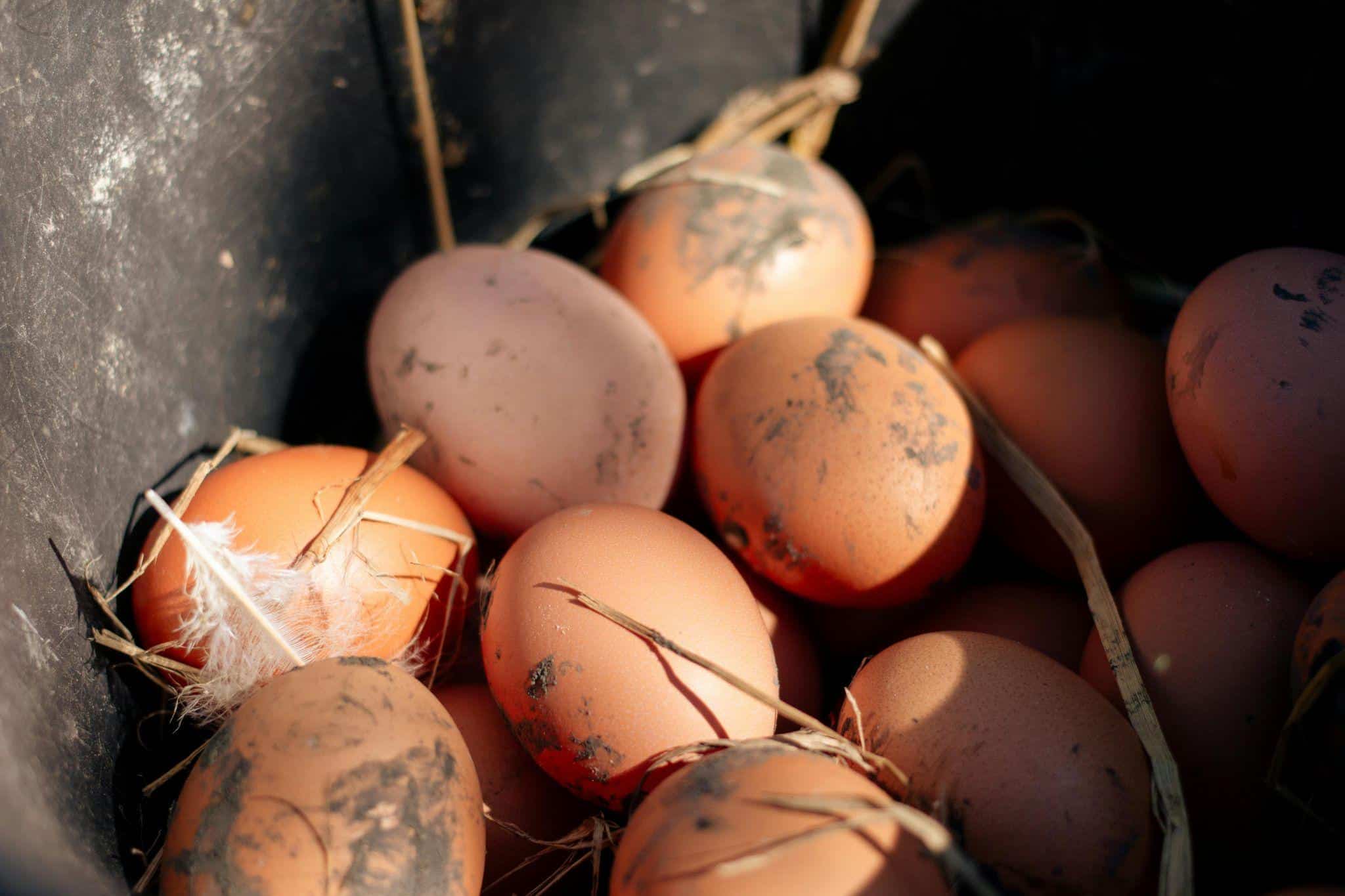
What Pasture-Raised Egg Collection Looks Like
Pasture-raised production focuses on hand-gathering. When hens are guided back to their shelter at night, they usually go to nest, and the eggs are collected during the next day.
Depending on the size of the land and the number of chickens, there may be multiple shelters scattered throughout the plot. The spots where hens actually lay eggs can change, which makes it essential for farmers to tend to and review them.
Pasture-raised eggs collected still undergo the same cleaning and inspection process as every egg before they arrive in grocery stores. They’re washed to remove all the dirt and matter lingering on them before being candled. Shining a light through the egg can help check for growth and grade before packaging.
The Role of the Farmer in Pasture-Raised Systems
Farmers are much more involved in pasture-raised systems, especially since this production style minimizes the hens’ exposure to any industrial technology. Their main goal is to ensure each animal’s welfare.
Caring for hens typically involves checking and refilling the feed and water supplies as necessary. Farmers also tend to the pasture itself and ensure it’s full of high-quality grass, removing any weeds that could affect the hens’ health.
Depending on the animal’s movement and the weather, farmers may have to guide them into their indoor shelter. They can also direct the hens to greener pastures to avoid overgrazing in specific patches of land.
How Sauder’s Eggs Produces Its Eggs
Sauder’s Eggs is a sustainability-focused brand that ensures all consumers will enjoy its eggs. It upholds family traditions of integrity, product excellence and fairness to customers, producers and employees.
The company works with family farms to sell approximately 1.4 billion farm-fresh eggs each year. It ensures the hens are free to roam in its partnered pasture-raised systems while using the latest handling technology off-site to check and maintain the quality of the eggs.
Sauder’s Eggs sells by the dozen, eliminating hormones and antibiotics and using vegetarian feed to produce a more nutrient-rich product. Each egg meets Certified Humane Standards.
Frequently Asked Questions
Here are frequently asked questions to understand pasture-raised egg production better.
Do Pasture-Raised Eggs Taste Different?
Pasture-raised eggs have a reputation for being more flavorful due to their richer and darker yolks, potentially due to their varied diet from the hen’s feed and foraging. However, the overall taste can vary from person to person.
Is It Better to Eat Organic or Pasture-Raised Eggs?
Both are good options, as pasture-raised eggs ensure hens have access to green pastures, while organic eggs eliminate synthetic pesticides and genetically modified ingredients in the feed. Sauder’s Eggs offers organic, pasture-raised eggs that give you the best of both worlds.
Why Are Pasture-Raised Eggs More Expensive?
Pasture-raised eggs require more land and labor compared to other industrialized forms of egg production. Farms will likely face higher production costs.
Feel More Confident When Buying Pasture-Raised Eggs
Pasture-raised eggs are a frontrunner when it comes to choosing more sustainably produced egg products on the market. Distributors and farms such as Sauder’s Eggs commit to giving these hens humane treatment while delivering quality food.