






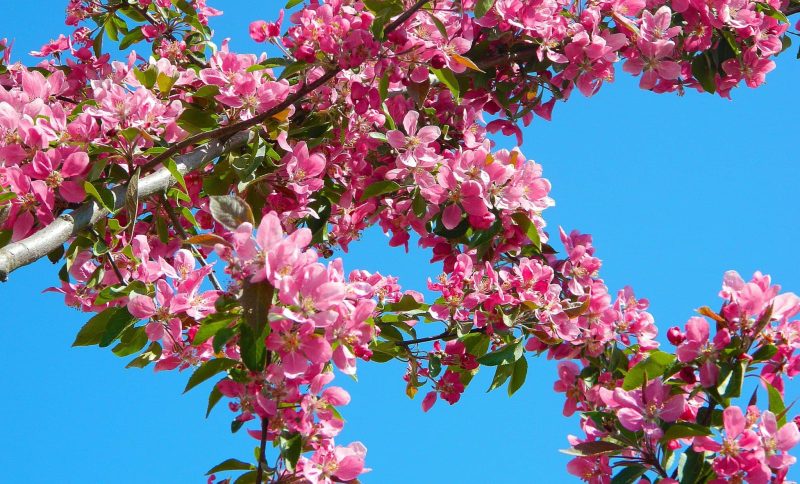
Crabapple trees are ornamental trees that can add an aesthetically pleasing touch to your landscape. They are most commonly preferred for residential areas, thanks to adding a visual interest for much of the year. Crabapple trees have colorful spring blossoms and attractive fall fruit that can stay on the branches for most of the winter. Plus, they are relatively manageable in size; they also don’t require much upkeep.
The size of crabapple trees is perfect for most landscapes. Unlike large shade trees that can overwhelm smaller landscapes, crabapple trees stay compact and fit into various spaces while still providing a satisfying canopy of foliage. While crabapple trees attract countless people with what they offer, many want to ask and find out exactly how big do crabapple trees get first before taking action to plant one.
In this article, we will give you a concise answer on how big this tree that belongs to the Malus genus, the same group as traditional apple trees, gets. Our article will also share some other valuable information about crabapple trees. Read to the end to learn exactly how big crabapple trees get so that you know if their size is optimal for you and the landscape you intend to plant.
How Big Do Crabapple Trees Get? Different Varieties
In terms of size, crabapple trees vary widely depending on the cultivar. While most crabapple trees fall within a moderate/medium range, breeders have developed varieties over the years that can be quite compact or large enough to be considered a small shade tree. Given how much they vary in terms of size, we will take a look at different-sized varieties to help you have a complete understanding of how big crabapple trees get.
Dwarf Crabapple Trees
The smallest kinds of crabapple trees typically reach anywhere between 6 and 12 feet in height. These dwarf crabapple trees also have a similar spread, making them easy to manage. They are commonly planted near walkways, driveways, and other smaller spaces that would benefit from having a small tree.
Medium Crabapple Trees
The majority of crabapple trees planted in residential landscapes typically fall into the medium-size range. They grow slightly higher than dwarf crabapple trees, starting from 15 feet to going up to 20 feet tall. These crabapple trees also grow proportionately to their height in terms of width, reaching measurements about the same as their height.
Large Crabapple Trees
Although there aren’t as many crabapple trees that could be considered large, there are a handful of them that can reach 20 to 30 feet tall with a pretty broad canopy. These crabapple trees are most suitable for large yards and open landscapes. In many ways, they can function the same as small shade trees, though if that’s your aim, you likely will find better options than a crabapple tree.
How Big Do Crabapple Trees Get? 5 Factors That Affect Tree Size
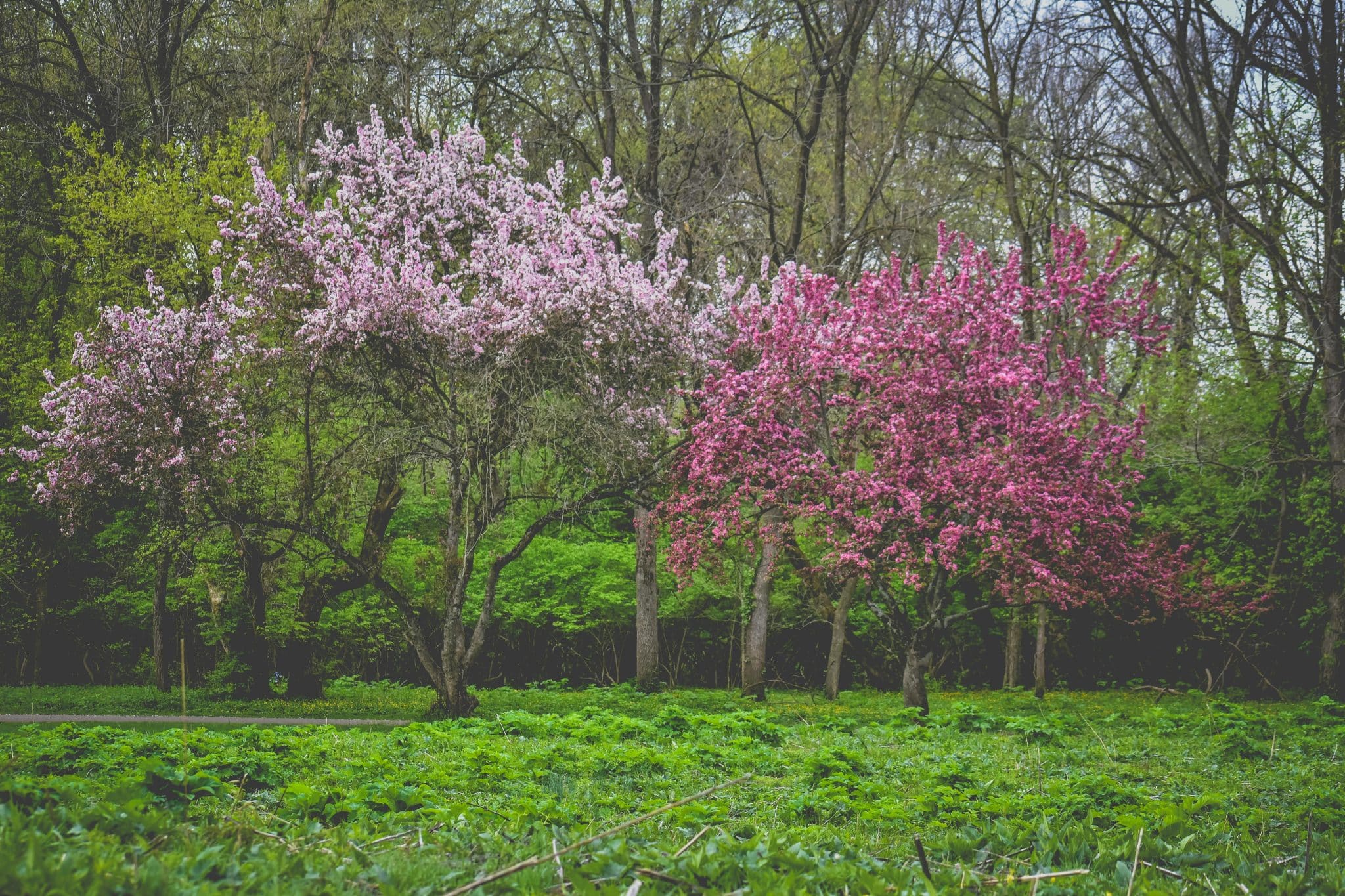
While the above height ranges, from dwarf to medium to large crabapple trees, indicate that about 30 feet is how big these trees get, there are also factors that can affect the growth of these trees. Without knowing these, you won’t have a complete understanding of crabapple trees. Here are five main factors that affect tree size. Most of these also apply to other trees.
- Genetics: As mentioned above, the tree variety, or the genetics, is the biggest factor in a tree’s overall growth. Given that you can’t do much about this, picking the right one is important when you buy crabapple trees.
- Sunlight Exposure: Although the exact sunlight exposure requirements vary depending on the tree variety, trees that receive full sun typically grow larger and develop fuller canopies. Limited sunlight, on the other hand, can limit the tree’s overall size, preventing it from growing to its full potential.
- Water Availability: The same as any other plant, consistent watering supports steady growth in crabapple trees, especially in the early years. However, overwatering can also lead to a wide range of issues, which should be avoided.
- Soil Quality: Perhaps one of the most important factors in terms of what you can have an impact on, rich, well-drained soil allows roots to expand and absorb nutrients. If the soil is compacted, it can restrict root growth, and the tree’s overall size with it.
- Planting: Last but not least, proper planting is essential to ensure a crabapple tree grows to its full potential. Everything from planting depth to root positioning to even initial establishment can have an effect on how big a crabapple tree gets.
Is the Size of Crabapple Trees Ideal for You?
Crabapple trees can be anywhere between 6 and 30 feet tall. Figuring out whether this range is ideal for you starts with knowing the available planting space. From there, you can consider nearby structures and the role of the trees in your landscape to get an idea. You should also consider the number of trees you’re intending to plant to have a final answer.
After considering all these factors and visualizing what you would have down the line in years (crabapple trees reach full maturity in five to ten years), you can then determine if the crabapple tree’s size is ideal for you.