





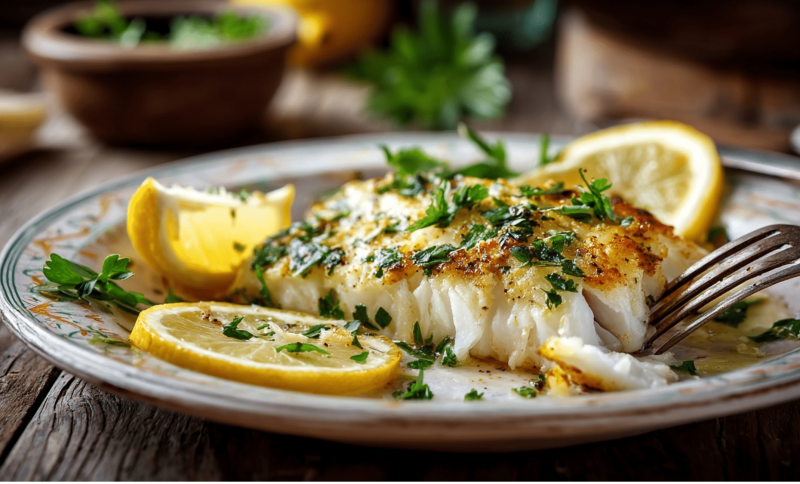
The aroma of baking fish has a way of filling the kitchen with calm anticipation, promising something light yet deeply satisfying.
Fish cooks beautifully in the oven, its flesh turning silky and delicate while soaking up the gentle warmth that defines proper doneness.
Still, one of the most common questions remains about how long it should bake and at what temperature the ideal texture comes alive.
The answer rests in understanding how subtle heat works with the natural tenderness of the fish.
When done right, the result is a meal that feels easy but tastes refined, capturing the balance between simplicity, freshness, and pure flavor that only baked fish can offer.
Each bite becomes a reminder of how simple cooking can create memorable comfort.
Why Temperature and Time Matter When Baking Fish?
Temperature and time play an important role in baking fish because of how fine its structure is. The flesh of fish is made up of gentle proteins that quickly firm and separate when exposed to heat.
If the temperature is too high, the fish can dry out and lose its natural moisture, while too low a temperature may leave it undercooked and mushy.
Getting the right balance ensures a soft, flaky texture and a rich flavor that feels fresh and clean.
Ideal Temperature and Baking Time for Perfect Fish
For most types of fish, baking at 400°F (200°C) for about 10 to 15 minutes works beautifully. As a simple tip, allow 10 minutes of baking per inch of thickness.
Thicker cuts like salmon may need closer to 15 minutes, while light fillets such as tilapia or cod cook perfectly in less.
Let the fish rest briefly after baking; its gentle carryover heat completes the texture, keeping every bite moist and flavorful.
Ingredients You’ll NeedFor the Fish:
For the Marinade or Seasoning:
For Baking and Garnish:
Optional Add-Ons:
|
How to Bake Fish the Right Way Every Time
Baking fish is all about balance, where gentle heat and simple seasoning create a dish that feels fresh, light, and full of flavor. Follow these easy steps to cook your fish into a well-prepared, restaurant-quality meal at home.
Step 1: Prepare the Fish
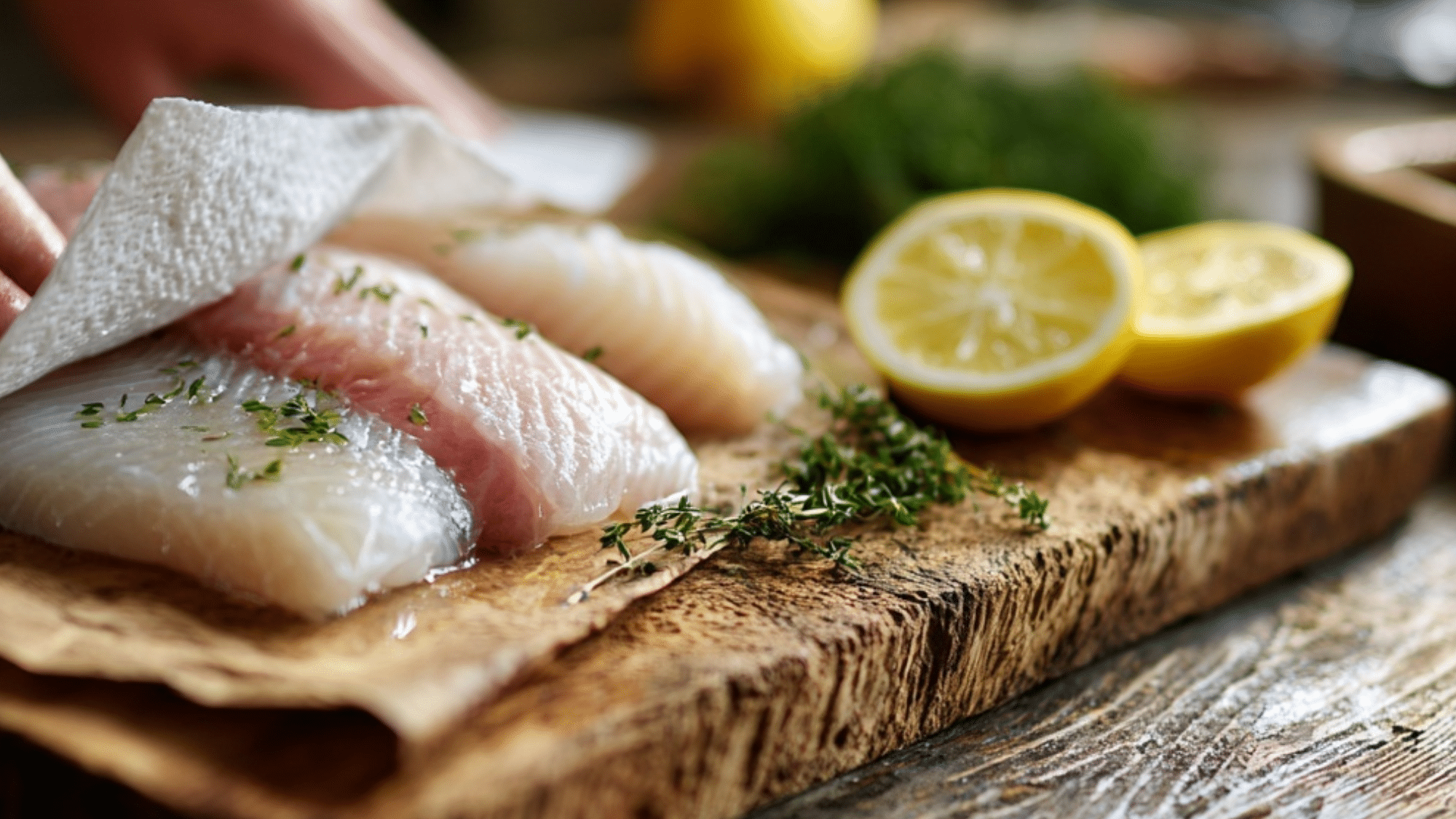
Pat the fish dry with paper towels to remove any surface residue, then pat it completely dry with a paper towel. This step helps the seasoning stick better and ensures the fish bakes evenly.
Once dry, check for any small bones and remove them with tweezers if needed. Clean preparation is the key to a smooth, delicate texture once cooked.
Pro Tip: Always dry your fish well before seasoning to prevent steaming and get a better, firmer texture.
Step 2: Preheat the Oven

Start by preheating your oven to a moderate temperature of around 400 degrees Fahrenheit for consistent heat distribution. Allowing the oven to reach full temperature helps the fish cook evenly from the start.
Preheating ensures the fish cooks evenly and helps maintain a tender texture, locking in natural juices and keeping the flesh tender. Skipping this step can result in uneven doneness or a rubbery texture.
Pro Tip: Place your baking dish in the oven while it preheats to give the fish a light sizzle when it hits the pan.
Step 3: Season the Fish
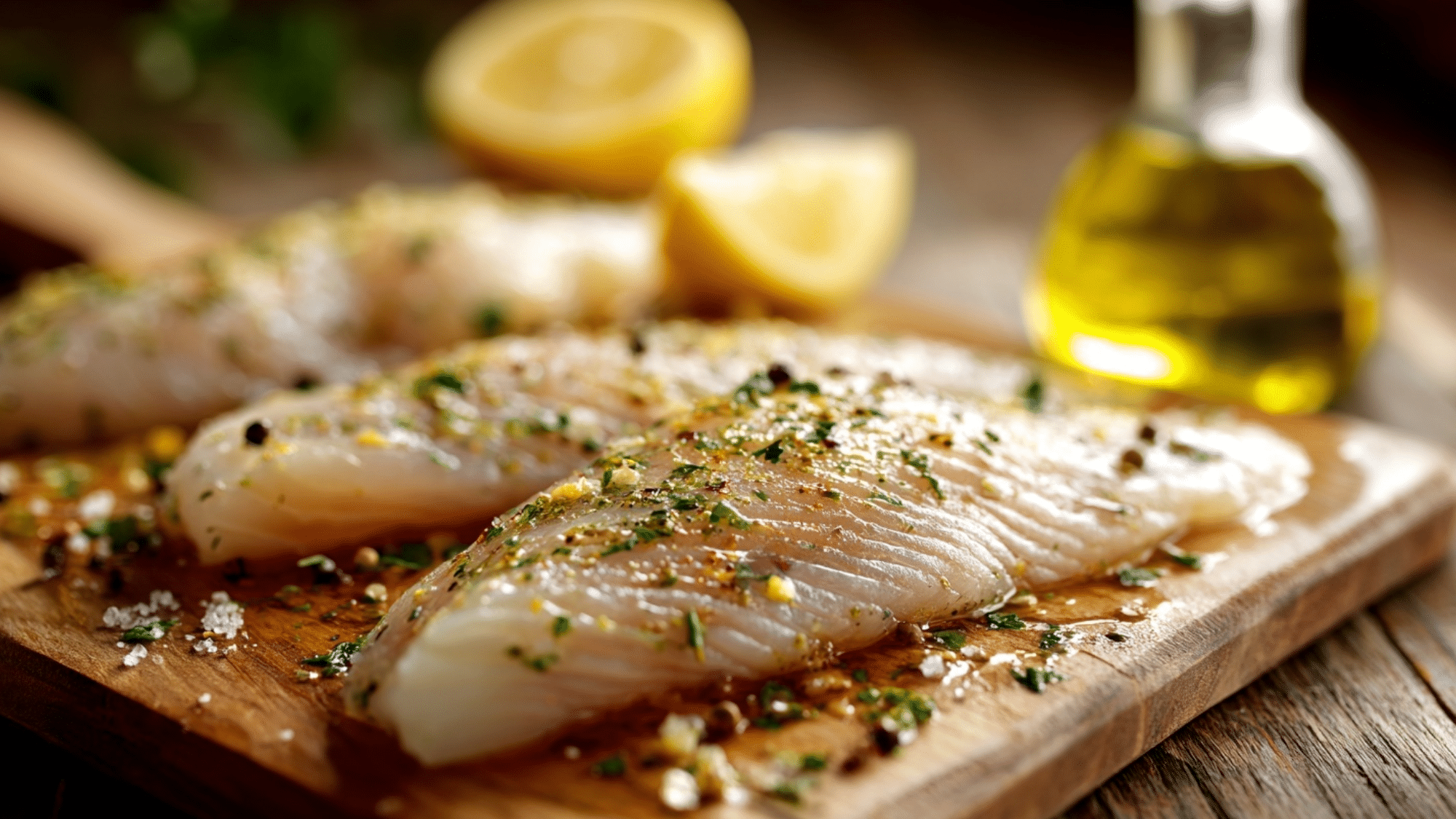
Brush each fillet or whole fish with olive oil or melted butter to add richness and prevent sticking. Then sprinkle salt, pepper, garlic, and your choice of herbs for balanced flavor.
Squeeze a bit of lemon juice over the top to brighten the dish and bring out the natural sweetness of the fish. Keep the seasoning light so the delicate taste shines through.
Pro Tip: Combine olive oil, garlic, and herbs in a small bowl first for an even, aromatic coating.
Step 4: Arrange for Baking
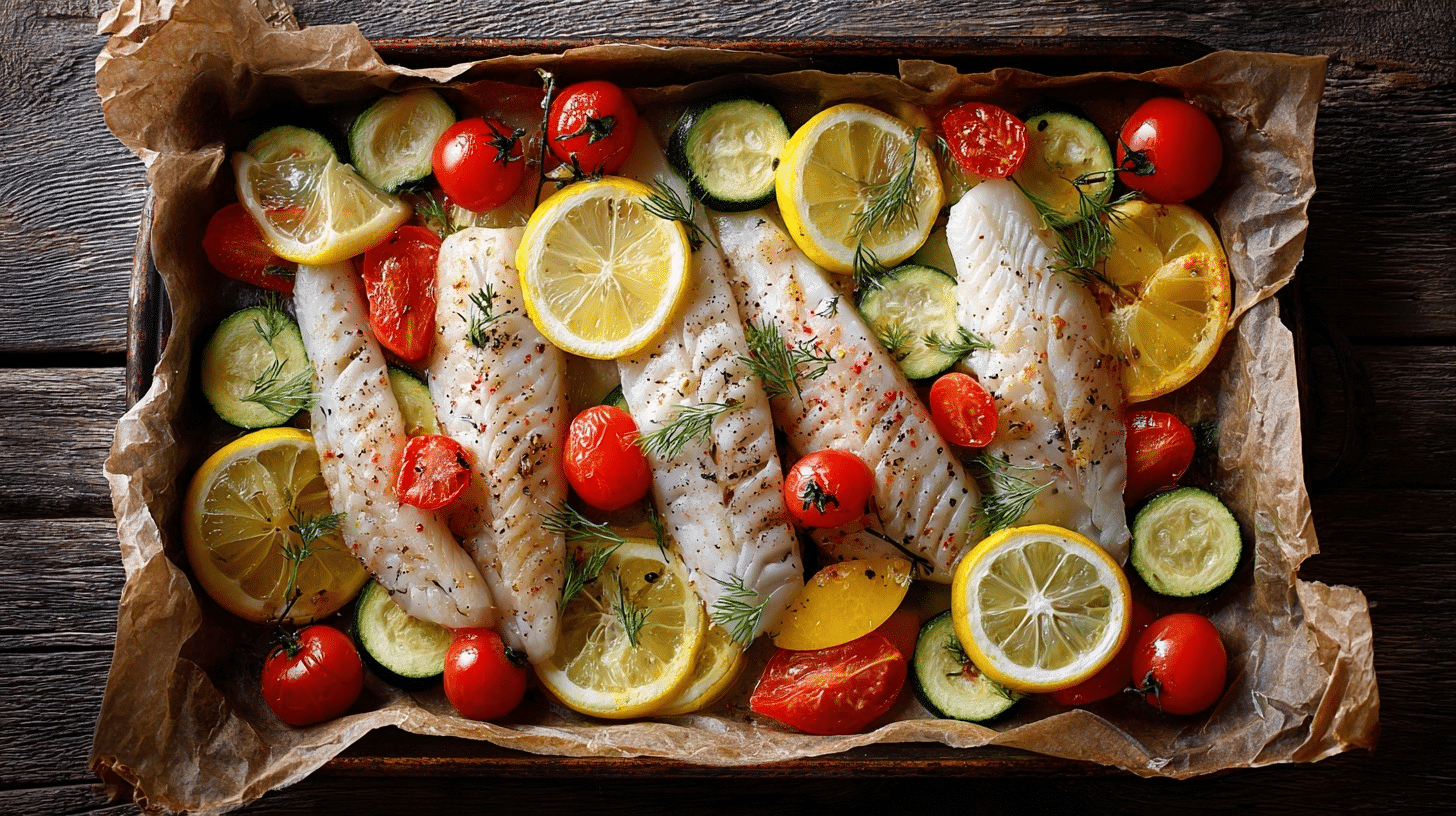
Place the fish in a lightly oiled baking dish or on a parchment-lined tray to prevent sticking. Arrange lemon slices on top and tuck in optional vegetables like cherry tomatoes or zucchini for color and flavor.
Keep a little space between the fillets so air can circulate freely, helping each piece cook evenly. Avoid overcrowding the pan, as it traps steam and softens the texture.
Pro Tip: Use foil to loosely tent the fish if you want extra moisture or softer results.
Step 5: Bake the Fish
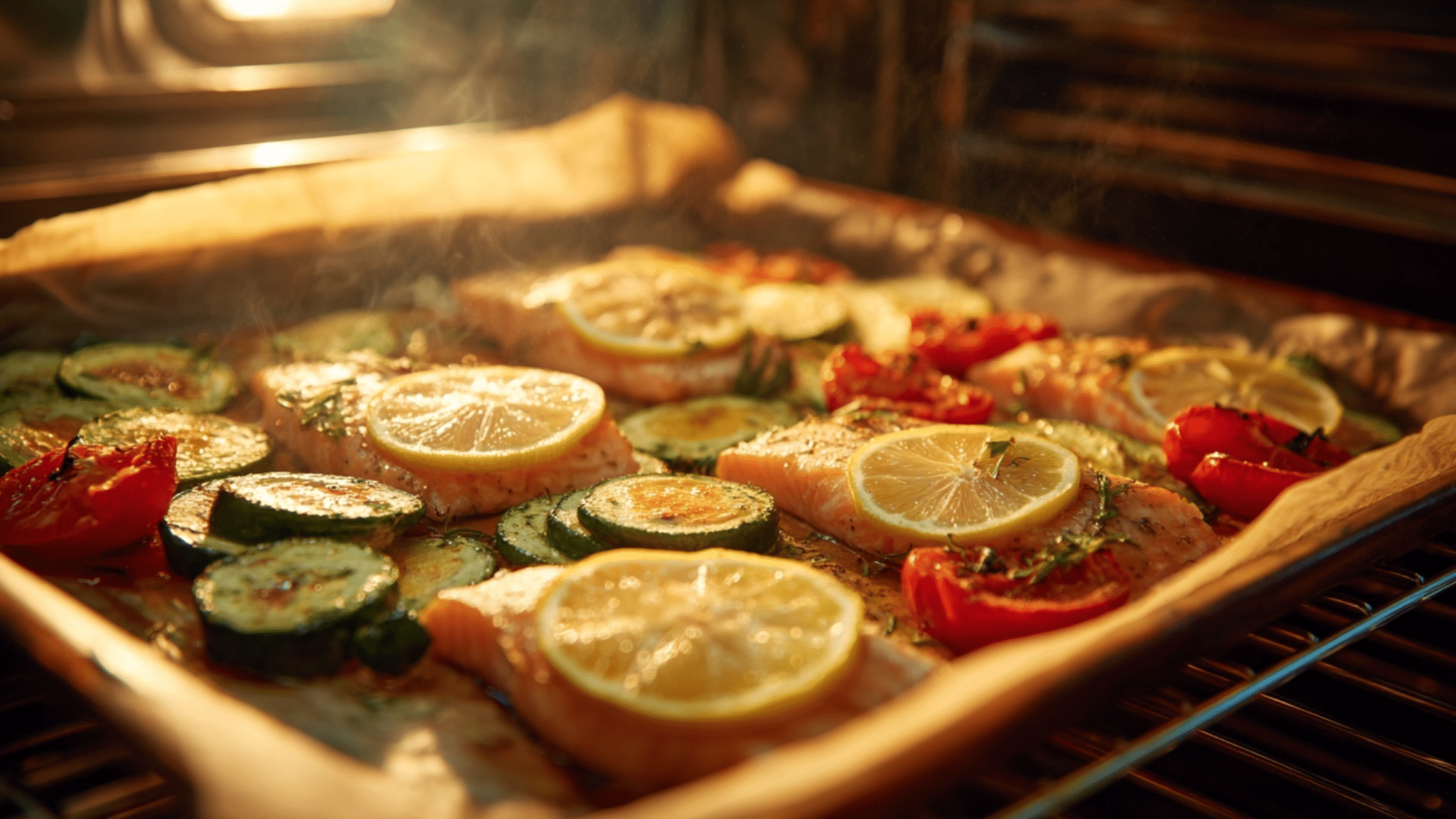
Bake the fish in the preheated oven until it turns opaque and flakes easily with a fork. Cooking time depends on thickness, but generally falls within ten to fifteen minutes.
Check for doneness early to avoid overcooking, as the fish continues to cook slightly after being removed from the oven. The flesh should look glossy and separate gently into moist flakes.
Pro Tip: If available, use a thermometer. Fish is properly done when it reaches about 145 degrees Fahrenheit inside.
Step 6: Rest and Serve
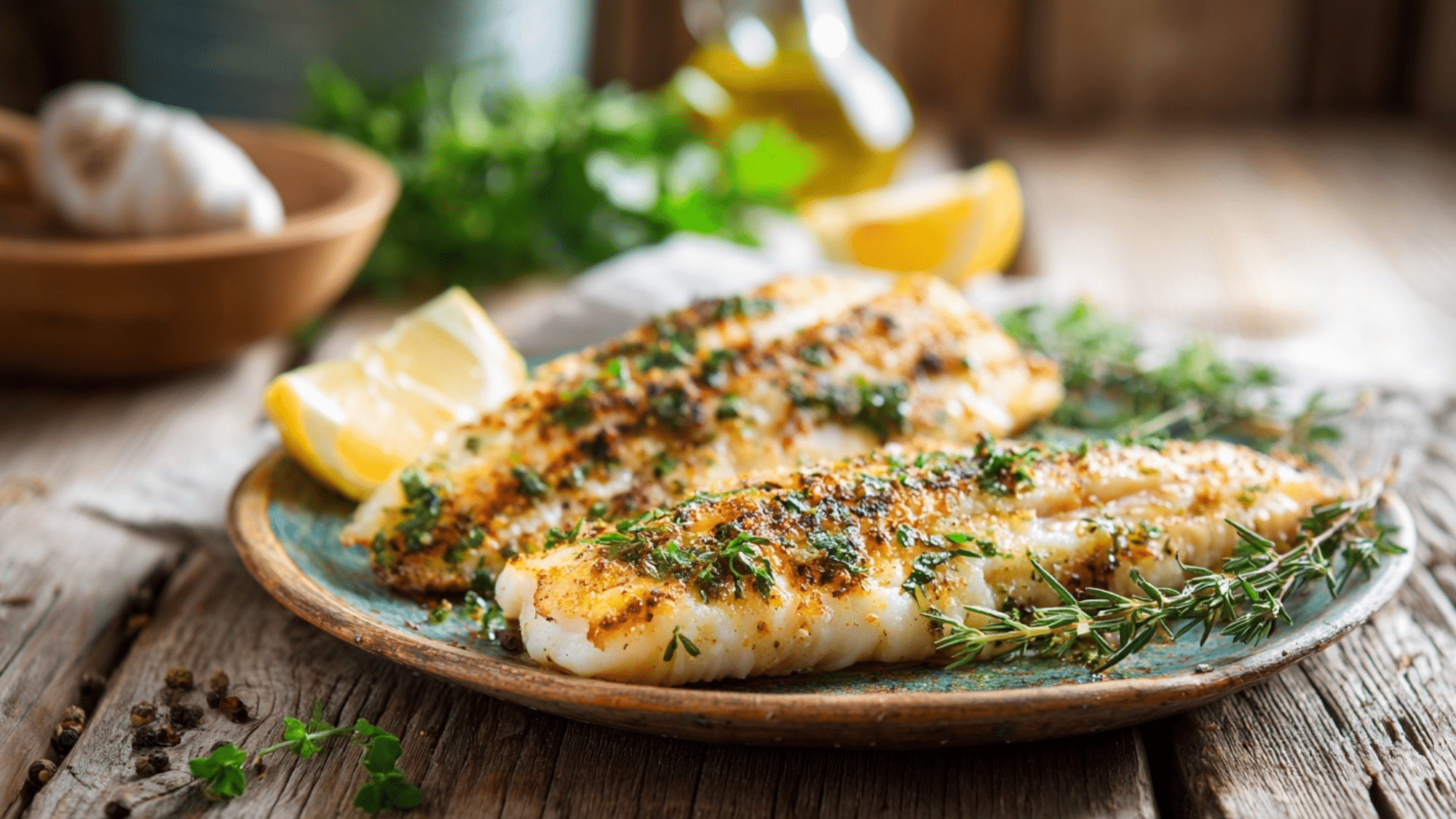
Once baked, let the fish rest for a few minutes to allow the juices to spread throughout the flesh. This short pause improves flavor and tenderness.
Transfer the fish to a serving plate and finish with a sprinkle of herbs or a drizzle of melted butter for shine. Serve immediately with rice, salad, or roasted vegetables.
Pro Tip: Resting the fish makes it easier to lift from the pan without breaking the fillet.
Here’s the version with a short intro line after the H2:
Recipe Notes
Quick recipe details at a glance.
| DETAIL | INFORMATION |
|---|---|
| Total Time | 25–30 minutes |
| Prep Time | 10–15 minutes |
| Cook Time | 10–15 minutes |
| Servings | 2–4 |
| Storage | 2 days refrigerated |
| Reheat | 5–7 minutes at low heat |
Note: Pat the fish dry before seasoning and let it rest after baking for best results.
Bake Fish at What Temp for Perfect Results
Getting the timing and temperature right is the key to well-baked fish that stays moist, tender, and flavorful.
- General Rule of Thumb: Bake fish for about ten minutes per inch of thickness at around 400 degrees Fahrenheit for evenly cooked, flaky results.
- Gentle Heat for Delicate Fillets: A lower range of 350 to 375 degrees Fahrenheit works best for light fish like tilapia or sole to preserve their soft texture.
- Medium Heat for Most Fish: Set the oven to 400 degrees Fahrenheit for consistent results with common fillets and steaks.
- High Heat for Thick or Skin-On Cuts: Use 425 to 450 degrees Fahrenheit for salmon, halibut, or other thick cuts to get a crisp outside and moist interior.
- Whole Fish or Foil-Wrapped: Allow slightly more time for whole or foil-covered fish to ensure even cooking and gentle steaming.
Pro Tip: Your fish is ready when it flakes easily and reaches an internal temperature of 145 degrees Fahrenheit.
Nutrition Facts
Approximate values per serving (150g baked fish).
| NUTRIENT | Amount (Approx. 150g) |
|---|---|
| Calories | 210 kcal |
| Protein | 28 g |
| Total Fat | 9 g |
| Saturated Fat | 2 g |
| Cholesterol | 75 mg |
| Carbohydrates | 1 g |
| Sodium | 180 mg |
| Omega-3 Fatty Acids | 1.2 g |
Baked fish is a lean, protein-rich meal with healthy fats and important nutrients that support heart, brain, and overall health.
Variations To Try
Baked fish can be prepared in many different ways, each offering a unique flavor and texture. These simple variations keep the dish interesting while staying easy to make for any occasion.
1. Fish en Papillote
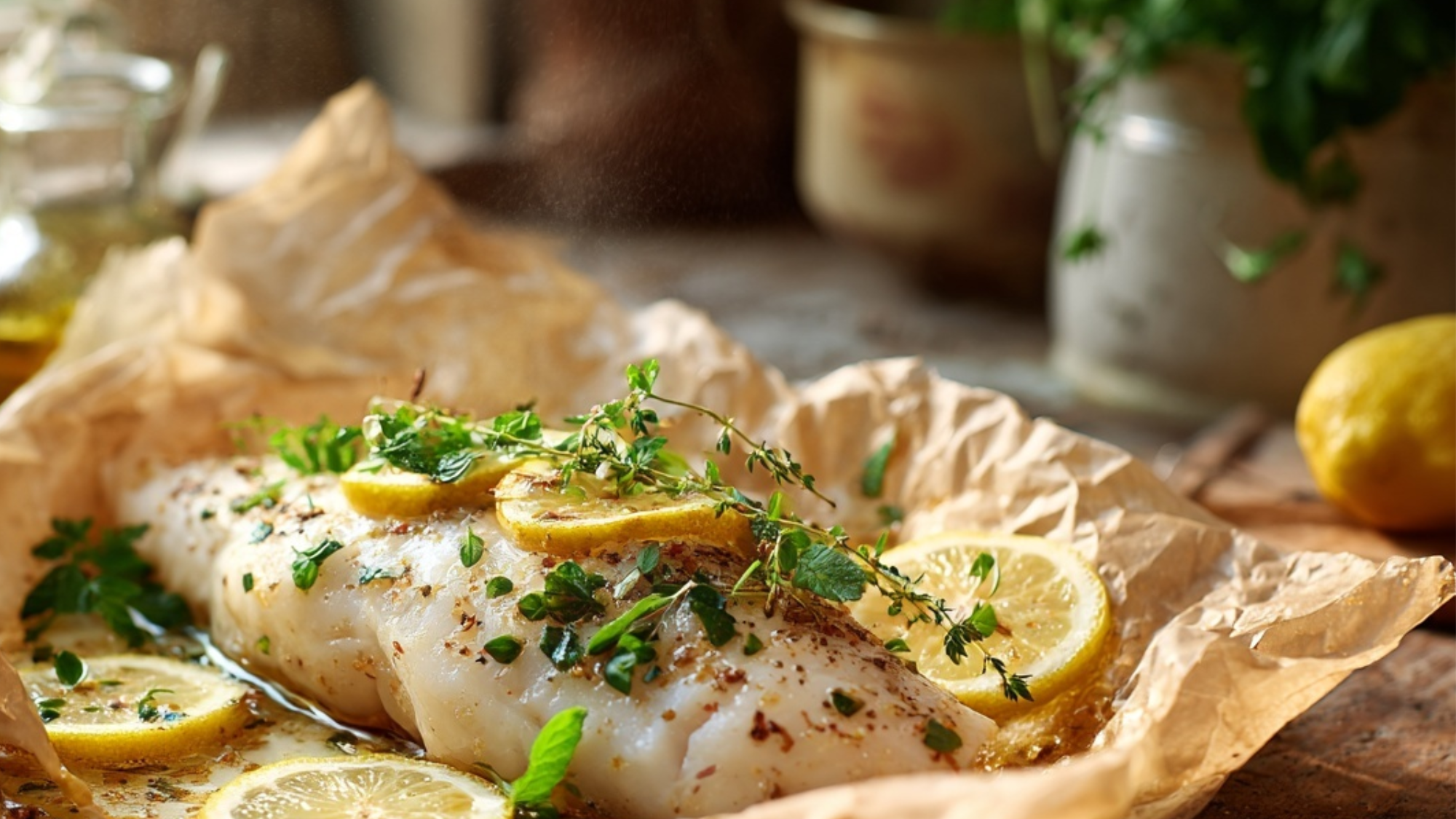
Wrap the fish in parchment paper with lemon slices, herbs, and a drizzle of olive oil. As it bakes, gentle steam infuses the fillet with fragrance and keeps it nicely tender.
This method looks appealing when served straight from the packet. It also preserves the natural juices, creating a light and aromatic dish that feels both healthy and satisfying.
2. Foil Packet Fish with Veggies
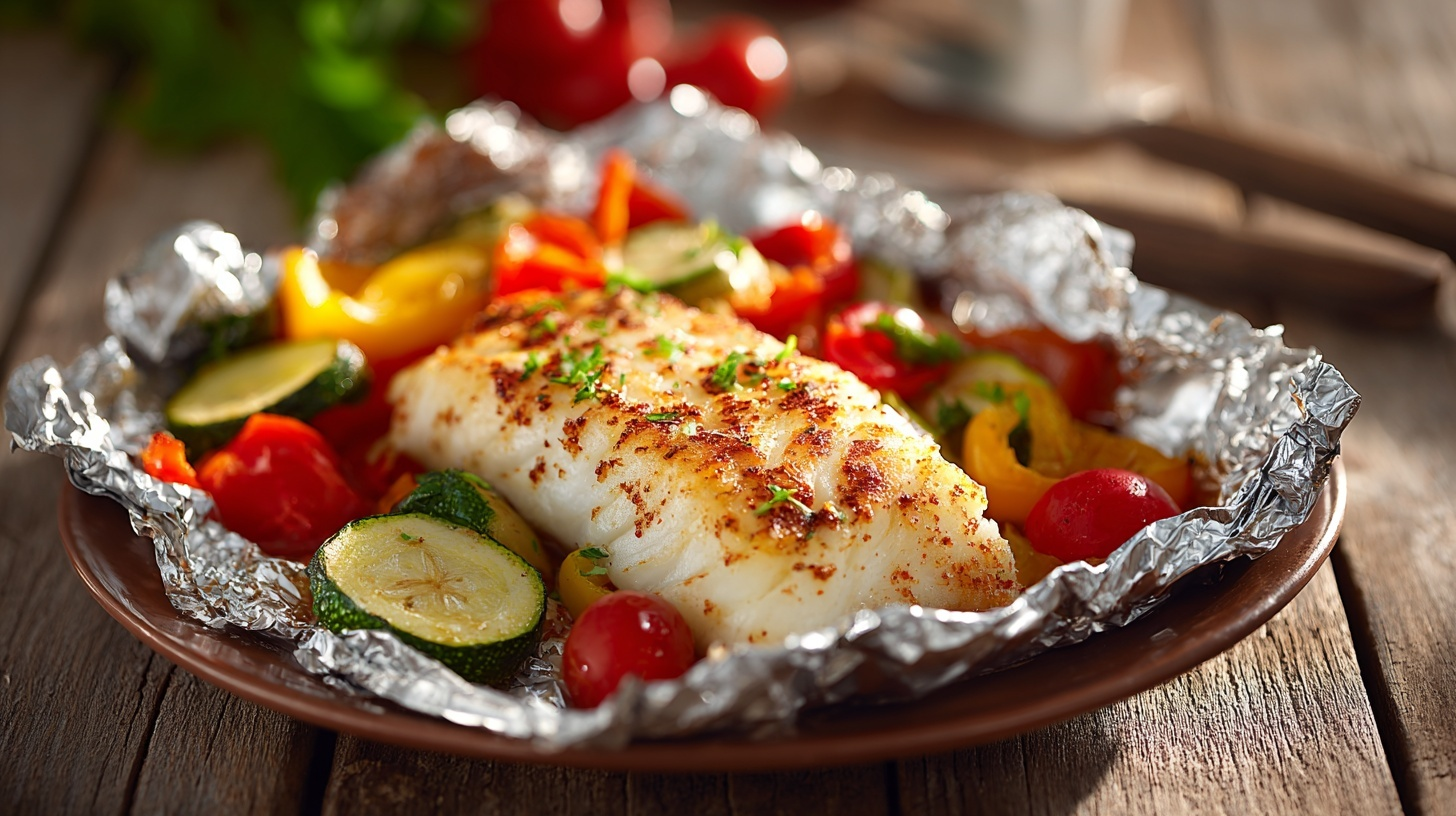
Seal the fish with colorful vegetables like bell peppers, cherry tomatoes, or zucchini in foil for a complete one-pan meal. The fish absorbs the sweetness and flavor of the vegetables as they steam together.
Foil packets are flexible and convenient, great for busy weeknights or outdoor cooking. They deliver a wholesome, flavorful dish with minimal cleanup.
3. Baked Fish with Flavorful Crusts
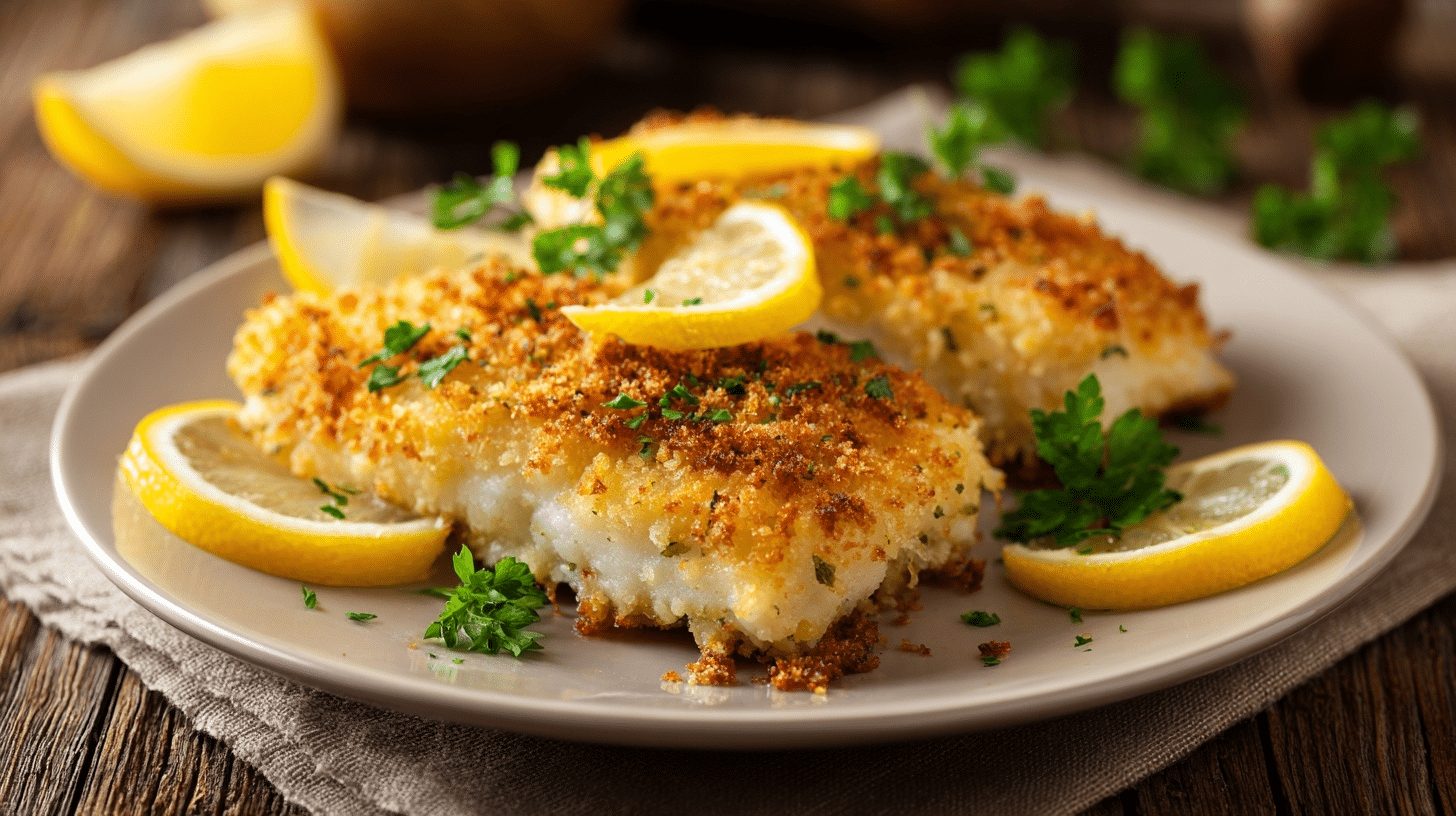
Coat your fish with panko breadcrumbs, chopped herbs, or a thin layer of Dijon mustard for extra texture. As it bakes, the crust becomes golden and crisp while sealing in moisture.
This variation adds satisfying crunch and depth of flavor to the delicate fish. It also gives your meal a beautiful, restaurant-style finish with very little effort.
4. Global Flavor Twists
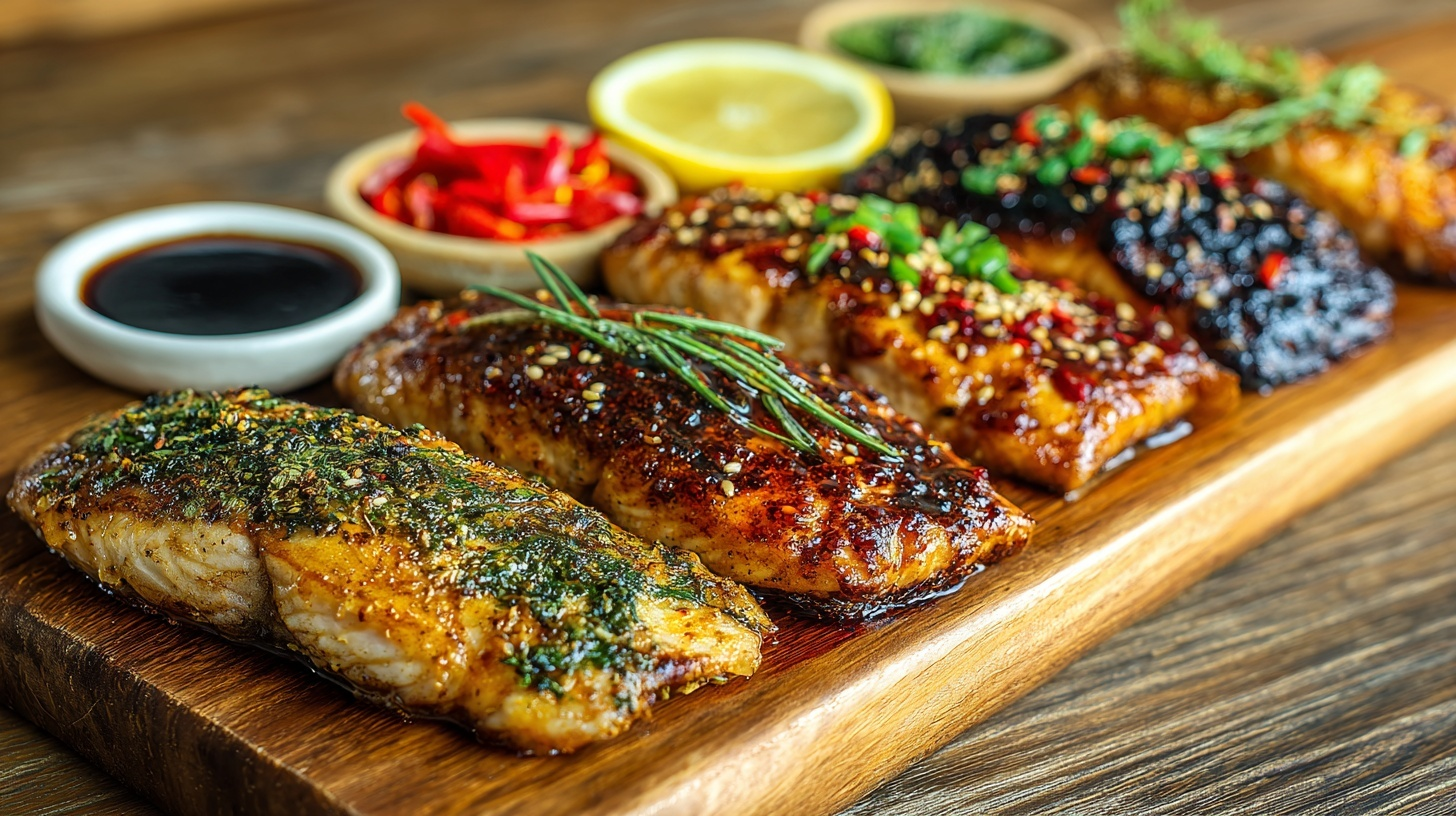
Try bold international seasonings like Mediterranean herbs and olive oil, Cajun spice rubs, or Asian-inspired glazes made with soy, honey, and ginger. Each adds its own distinctive taste and aroma.
These global variations let you try new cuisines from your kitchen. With just a few pantry ingredients, you can change a simple baked fish into something interesting and unique.
Serving Ideas
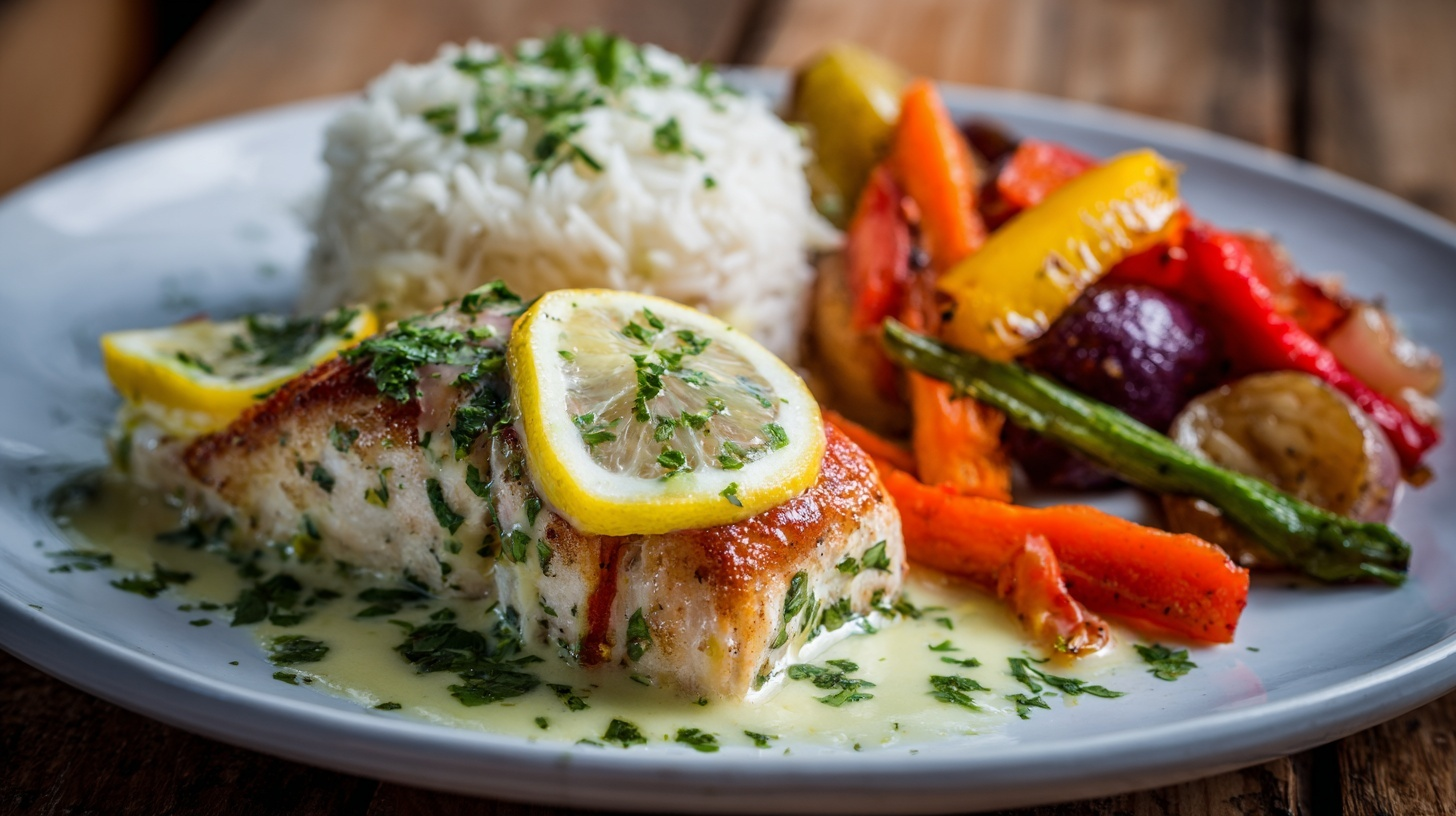
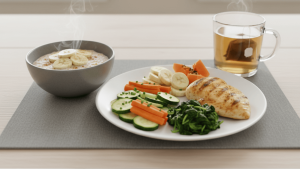
Great baked fish deserves sides and pairings that highlight its delicate flavor and balance its light texture. The right accompaniments can turn a simple meal into something satisfying.
- Lemon Herb Butter Sauce: Drizzle melted butter blended with lemon juice and herbs for a bright, rich finish.
- Steamed or Roasted Vegetables: Serve with asparagus, broccoli, or carrots for color, nutrition, and freshness.
- Rice or Grains: Pair with fluffy jasmine rice, quinoa, or couscous to absorb the fish’s savory juices.
- Light Salads: Add contrast with crisp greens, cucumber dill salad, or a Mediterranean-style mix.
- Sauce Pairings: Improve the dish with tartar sauce, garlic yogurt dip, or lemon-caper sauce.
Every side and garnish adds its own touch, improving the baked fish without overpowering it. Together, they create a meal that feels fresh, balanced, and full of satisfying flavor.
How to Know When Your Baked Fish Is Done Right
Well-baked fish should be tender, moist, and flaky without losing its natural texture or delicate flavor.
The best way to check if it is done is to use a thermometer, as the fish is ready when it reaches about 145 degrees Fahrenheit at the thickest part.
You can also rely on visual signs such as opaque flesh that glistens slightly and flakes easily with a fork. When gently pressed, the surface should feel firm yet springy, not soft or rubbery.
A white protein called albumin may appear during cooking. This is normal, but should not be the only sign of doneness. Watching for these simple cues ensures your fish stays juicy, flavorful, and nicely cooked every time.
Storage, Reheating, and Safety
Proper handling of baked fish keeps it fresh, flavorful, and safe to enjoy later. Follow these simple tips to store and reheat it the right way.
- Cooling and Storage: Let the fish cool completely, then refrigerate in an airtight container within two hours. For longer storage, freeze in sealed bags for up to two months.
- Reheating Tips: Warm gently in a low oven or covered skillet to retain moisture. Add a touch of water or butter to keep it soft and flavorful.
- Food Safety Reminders: Never leave cooked fish out for more than two hours. Reheat thoroughly before eating and discard if it smells or feels off.
Handled with care, leftover baked fish stays just as tender and tasty the next day.
Conclusion
Baking fish celebrates the beauty of simplicity in cooking, where minimal effort brings out the most natural and satisfying flavors.
The warmth of the oven gently brings the fish to tender doneness, creating a dish that feels both light and satisfying.
By mastering the right temperature, timing, and simple seasonings, you can turn any fillet into a restaurant-worthy meal at home.
If served with herbs, vegetables, or a squeeze of lemon, baked fish is a lasting reminder that true cooking joy often lies in the simplest moments.
Try these tips in your next bake and taste the difference for yourself.