






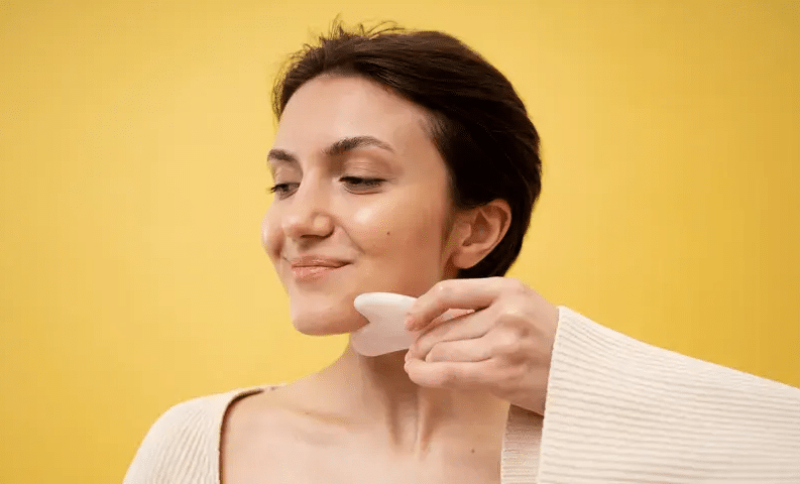
Skin elasticity makes your skin firm, smooth, and youthful. When the skin is elastic, it is capable of stretching and then returning to its original shape. That instinctive spring gradually begins to wear out as we grow old. The outcome is loose skin, fine lines, wrinkles, and a sagging of the skin around the face, neck, arms, etc.
In case you have been pondering how to restore elasticity to your skin, the good news is that there are various methods to help to maintain firmer and healthier skin. Although you cannot fully prevent the aging process, the combination of the right skincare, nutrition, lifestyle modifications, and specific ingredients can make your skin look and feel better as you mature.
What Causes Loss of Skin Elasticity?
Before we get to know how to restore elasticity, it is always good to know why it is lost in the first place.
Two primary proteins determine skin elasticity:
- Collagen provides the skin with structure and firmness.
- Elastin enables the skin to stretch and get back into position.
With age, the body gradually produces less collagen and elastin. These skin changes are noticed by most people in their 30s and 40s.
This process can be accelerated by several factors, such as:
- Sun exposure
- Smoking
- Poor diet
- Stress
- Lack of sleep
- Rapid weight loss
- Dehydration
- Pollution
One of the largest contributors to premature aging of skin is sun damage. Collagen and elastin are destroyed by ultraviolet rays, causing the skin to be saggy, wrinkled, and rough.
Signs Your Skin Is Losing Elasticity
You may notice:
- Sagging skin around the jawline or cheeks
- Fine lines and wrinkles
- Loose skin on the neck or under the eyes
- Crepey skin on the arms or chest
- Skin that does not bounce back when gently pinched
One of the most effective methods of testing the elasticity of the skin is to pinch the skin at the back of your hand lightly. If your skin is taking longer than normal to resume normalcy, it might be losing some elasticity.
How to Get Elasticity Back in Skin Naturally

It takes time to improve skin elasticity. The changes start becoming apparent after several weeks or months of regular care.
1. Protect Your Skin From the Sun
One activity you can do every day to make your skin better is daily sun protection.
Use a broad-spectrum sunscreen with an SPF of 30 or more on a daily basis, even during cloudy days. Damage caused by the sun may persist in a deteriorating loss of elasticity, and thus protecting your skin will prevent collagen and elastin from further deterioration.
Other ways to protect your skin include:
- Wearing a hat and sunglasses
- Staying in the shade during peak sun hours
- Avoiding tanning beds
Dermatologists frequently state that there is no better anti-aging product than sunscreen since it shields the skin against the number one factor that causes premature skin aging.
2. Use Skincare Ingredients That Support Collagen
Some skincare ingredients can be used to enhance skin firmness and elasticity in the long run.
Retinol
Retinol is among the most prescribed ingredients for aging skin. It assists in stimulating collagen synthesis and accelerating the rate of cell turnover.
Regular use of retinol may help:
- Reduce fine lines
- Improve skin texture
- Make skin appear firmer
If you are not used to retinol, then begin with a low strength and apply it a few times a week.
Peptides
Peptides are tiny proteins that signal the skin to produce additional collagen. They have been commonly included in anti-aging creams and serums.
Hyaluronic Acid
Hyaluronic acid does not enhance collagen directly, but it assists the skin in retaining more water. The hydrated skin looks plump, smooth, and more stretchy.
3. Increase Collagen Through Diet
A proper diet may influence the skin’s appearance and feel.
To facilitate healthy collagen, pay attention to the following foods rich in:
- Protein
- Vitamin C
- Zinc
- Copper
- Healthy fats
Some of the best foods for skin elasticity include:
- Salmon and other fatty fish
- Citrus fruits
- Leafy greens
- Nuts and seeds
- Bone broth
Protein is particularly significant as collagen is composed of amino acids. Unless you consume sufficient protein, your body might not be able to sustain healthy skin.
4. Stay Hydrated
Dry skin appears to be older and less firm. Consumption of sufficient water also helps to keep skin cells hydrated internally.
Though water itself does not fully regain skin’s elasticity, dehydration can increase the fine lines and sagging.
Try to:
- Drink water throughout the day
- Consume water-enriched foods like cucumbers and watermelon
- Use a moisturizer to help lock hydration into the skin
5. Consider a Collagen Supplement
Collagen supplements are popular among many people for supporting their skin internally. Hydrolyzed collagen peptide is particularly popular due to its greater absorption by the body.
Collagen supplements may help:
- Improve skin hydration
- Support firmness and elasticity
- Reduce the appearance of wrinkles
Verisol collagen peptides are one of the ingredients that are frequently utilized in skin support formulas. Research indicates that Verisol can contribute to skin elasticity and lessen the appearance of aging in a couple of weeks of administration.
A skin-focused supplement may also include:
- Collagen peptides
- Hyaluronic acid
- Vitamin C
- Biotin
- Antioxidants
The ingredients act in synergy to help in collagen synthesis, hydrate, and repair the skin.
Most individuals must take a collagen supplement regularly for at least 8 to 12 weeks before they notice tangible changes.
6. Get Enough Sleep
Your skin heals when you are asleep. The body produces growth hormone during the night and works to restore collagen and skin cells damaged.
Sleep deprivation can enhance stress hormones that can accelerate the aging process.
Strive to have 7-9 hours of good sleep every night. To promote a restful sleep:
- Go to bed at the same time each night
- Avoid screens before bed
- Keep your room cool and dark
Professional Treatments for Skin Elasticity
In case of severe sagging or if you want a quicker way, then professional treatments can come to your rescue.
Common options include:
- Microneedling
- Radiofrequency treatments
- Laser resurfacing
- Chemical peels
- Ultrasound skin tightening
These treatments stimulate the production of collagen deeper in the skin.
Approaching a dermatologist can assist you in making a choice on which one can be the best, depending on your skin type and requirements.
How Long Does It Take to Improve Skin Elasticity?
Skin does not become firmer overnight. Small improvements can be observed after 4 to 6 weeks of regular care by most people.
Typical timeline:
2 to 4 weeks
skin feels more hydrated and smoother
6 to 8 weeks
skin may look firmer and brighter
8 to 12 weeks
more visible improvements in elasticity and fine lines
A combination of multiple strategies, like sun protection, collagen support, healthy dieting, and good skincare, can generally produce the best outcomes.
Final Thoughts
Skin elasticity is one of the natural ageing changes, but you can make your skin appear healthier and firmer in many ways. Sunscreen every day, skin-enhancing skincare, nutritious food, water, sleep, and specific supplements can do the trick.
The sooner you start looking after your skin and nourishing it, the more likely you are to retain your youthful and elastic look for years to come.