






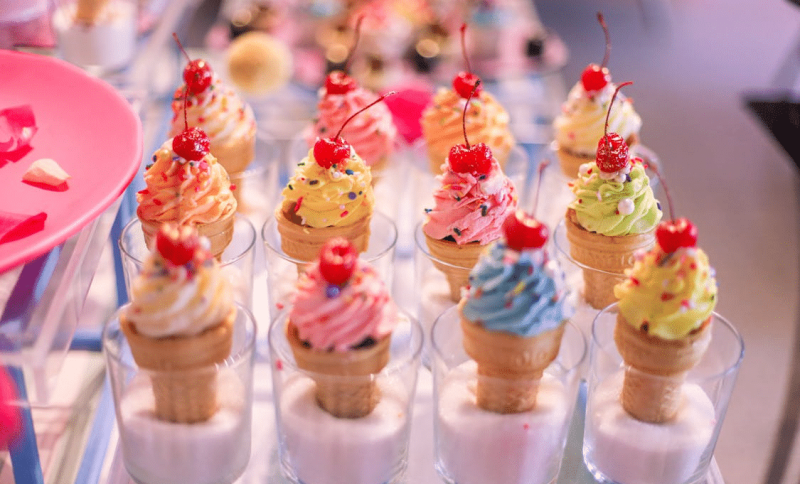
There’s something universally joyful about an ice cream bar. It’s nostalgic, flexible, and works just as well for kids’ birthdays as it does for summer cookouts or neighborhood block parties. The challenge, of course, is scale. Scooping for a crowd can turn into a sticky, slow-moving mess if it’s not planned carefully, especially on a warm day.
With the right setup, though, a backyard ice cream bar can feel effortless and fun rather than frantic. The goal is to keep lines moving, ice cream cold, and guests happily building their own bowls without hovering over you for refills. Here’s a practical, host-tested framework to help you pull it off smoothly.
Plan Portions and Cold Storage First
Before you think about toppings or décor, start with the logistics that matter most: how much ice cream you’ll need and how you’ll keep it cold.
A reliable rule of thumb is ½ cup of ice cream per serving, which works well for most gatherings. If your crowd includes lots of kids or ice-cream enthusiasts, bump that closer to ¾ cup.
For planning purposes:
- 1 gallon of ice cream yields about 16 half-cup servings
- Offer 4 to 6 flavors for groups of 25–50 people
- Balance classics (vanilla, chocolate) with one or two bold options
Ideally, ice cream should be held between -5°F and 0°F until serving to maintain scoopable texture without rapid melting.
Decide: Pre-Scoop or Scoop to Order?
One of the biggest hosting decisions is whether to pre-scoop ice cream or serve it on demand. Each approach has pros and cons, and your choice should depend on guest count and available help.
Pre-scooping works well when:
- You’re serving 40+ guests
- You want to minimize lines
- You have freezer space for trays
Pre-scoop onto parchment-lined trays, freeze solid, then transfer portions to insulated containers just before serving.
Scoop-to-order is better when:
- You have fewer than 25 guests
- You can staff the station with one dedicated scooper
- You want guests to mix flavors easily
If you go this route, keep backup tubs frozen and rotate one flavor at a time to limit melt.
Design a Low-Mess Topping Station
Toppings are where ice cream bars can go sideways fast. The key is limiting drip zones and giving guests tools that keep things tidy.
Instead of one long table, think in zones:
- Ice cream first
- Toppings second
- Sauces last
This flow prevents bottlenecks and keeps melting to a minimum.
Low-mess topping ideas include:
- Mini chocolate chips or sprinkles instead of shaved chocolate
- Crushed cookies pre-portioned into small cups
- Chopped fruit that’s patted dry to reduce moisture
Skip anything that requires cutting or crumbling on-site. Prep everything ahead of time and use squeeze bottles for sauces to keep hands clean and lines moving.
Offer Dairy-Free and Nut-Safe Options Clearly
A crowd-friendly ice cream bar should be inclusive, especially when dietary needs aren’t always obvious.
At a minimum, plan for:
- One dairy-free option (sorbet or oat-based ice cream)
- One nut-free flavor
- Clearly labeled toppings
To avoid cross-contamination, use:
- Separate scoops stored in labeled containers
- Distinct sections of the freezer or cooler
- Color-coded signs or tags
Guests appreciate not having to ask, and you’ll avoid awkward last-minute scrambles.
Optimize Your Backyard Layout
Where you place the ice cream bar can make or break the experience. Shade is non-negotiable. Direct sun will sabotage even the best freezer setup.
Choose a location that:
- Is fully shaded or tented
- Has access to power if using plug-in equipment
- Allows a natural line to form without blocking walkways
If possible, set up the station slightly away from the main seating area. This keeps traffic flowing and prevents congestion near tables.
Manage Melt on Warm Days
Even with good equipment, warm weather demands extra precautions.
Smart melt-management tips:
- Chill bowls and serving cups in advance
- Use insulated tubs inside coolers as a buffer
- Swap ice cream tubs every 10 to 15 minutes
Having a runner who can rotate flavors from the freezer keeps the serving station cold and efficient without constant door opening.
Final Touches That Make It Feel Special
Once the logistics are covered, small details elevate the experience.
Consider:
- Simple signage listing flavors and allergens
- Compostable bowls and spoons for easy cleanup
- A “build your own sundae” card at each table
These touches don’t add work, but they do add polish.
A Sweet Ending Without the Stress
Hosting a backyard ice cream bar for a crowd doesn’t require professional catering skills—just thoughtful planning and a clear flow. By calculating portions carefully, organizing toppings with intention, and keeping ice cream at the right temperature, you create an experience that feels relaxed rather than rushed.
When guests can serve themselves easily, and everything stays cold, you get to enjoy the party too, which, after all, is the point.