






The kitchen is more than a place to prepare meals. It’s where mornings begin, where guests gather during parties, and where everyday conversations unfold. Yet many homeowners overlook one of the most powerful tools for transforming this space: paint.
If your kitchen feels dull, cramped, too dark, or simply uninspiring, the problem may not be your cabinets or layout. It might be the color on the walls. A thoughtful paint makeover can shift the mood of the room, influence how you feel while cooking, and even change how guests experience your home. The good news is that you don’t need a full renovation to make a dramatic impact.
Let’s explore how color affects mood, which shades work best for different kitchen styles, and how to plan a makeover that feels intentional rather than overwhelming.
Why Kitchen Color Matters More Than You Think
Color is not just decorative. It affects perception, emotion, and even behavior.
In a kitchen, color can:
- Make a small space feel larger
- Add warmth to a cold, modern design
- Create a calm environment for busy mornings
- Energize the room for lively gatherings
- Tie together cabinets, countertops, and flooring
If you feel stressed while cooking or embarrassed hosting guests in your kitchen, the atmosphere might be working against you. Paint is one of the most cost-effective ways to reset that atmosphere.
Warm Tones for Energy and Appetite
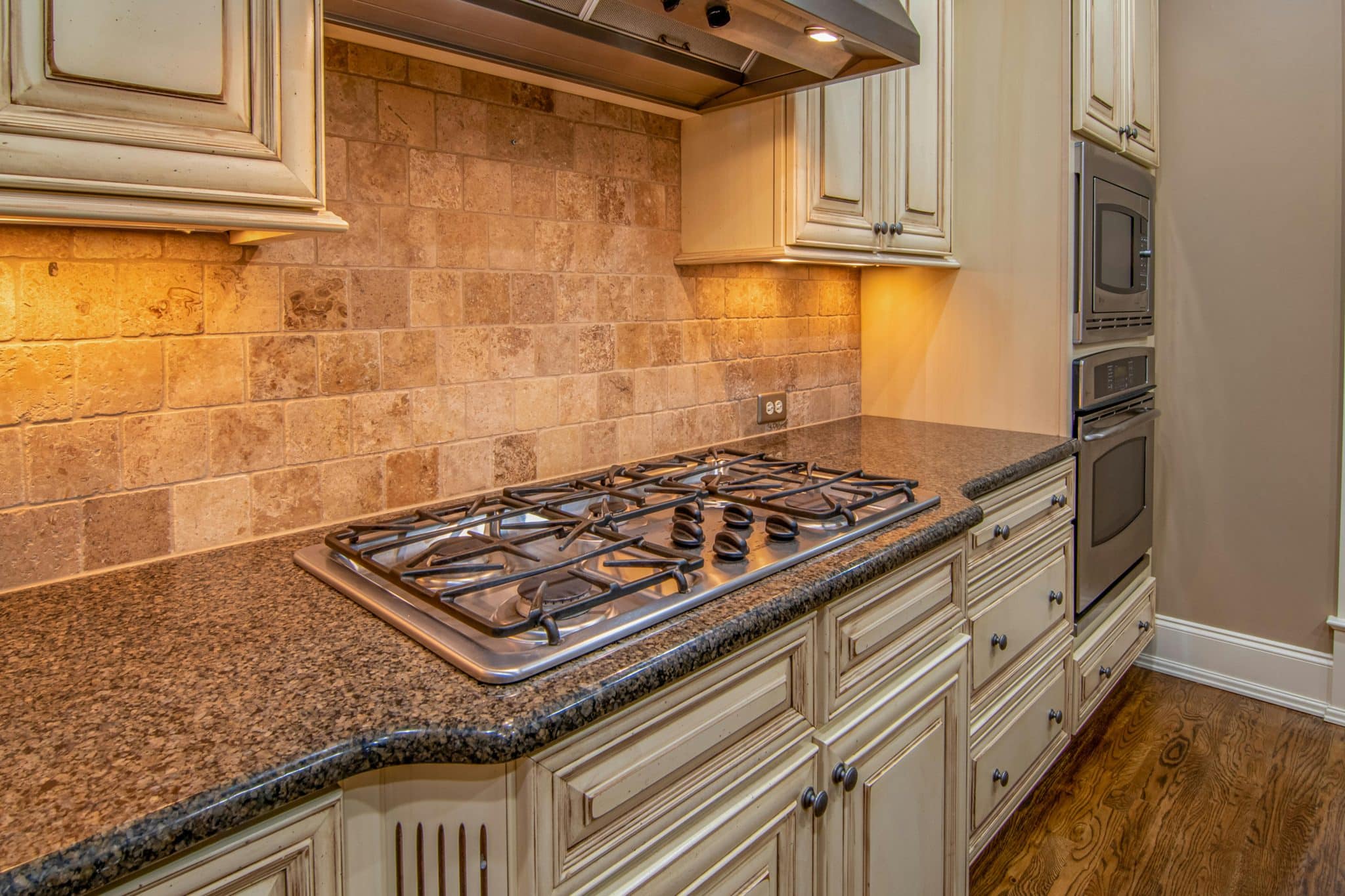
Warm colors naturally stimulate conversation and appetite, which makes them ideal for social kitchens.
Soft Yellows
Soft butter or creamy yellow reflects light beautifully. It brightens darker kitchens and creates a welcoming vibe. Yellow works especially well in kitchens with limited natural light.
If your kitchen feels gloomy or flat, a warm yellow can immediately lift the mood without overpowering the space.
Terracotta and Muted Orange
These earthy tones bring a sense of comfort and depth. They work well with wood cabinets, brass hardware, and natural stone surfaces. In open-concept homes, warm tones help define the kitchen as a cozy focal point.
However, bold oranges can feel overwhelming. Stick to muted, clay-inspired versions for balance.
Warm Neutrals
Beige, greige (gray-beige), and creamy taupe provide subtle warmth without making the space feel busy. They’re ideal for homeowners who want change without taking a big risk.
Cool Tones for Calm and Clean Design
If your kitchen feels chaotic or visually cluttered, cool tones can restore balance.
Soft Blues
Light blue walls can create a serene, airy atmosphere. This works especially well in coastal or farmhouse-inspired kitchens. Blue pairs beautifully with white cabinets and marble countertops.
For hosting, blue promotes relaxation. Guests may naturally linger longer in a space that feels calm and open.
Sage Green
Sage green has become popular for good reason. It feels fresh, organic, and modern without being trendy in a way that quickly fades. It complements natural wood and matte black fixtures.
Green also connects the kitchen to nature, which can make the space feel healthier and more grounded.
Light Gray
A soft gray can modernize older kitchens instantly. If your cabinets are dated but still in good condition, repainting the walls in a contemporary gray can make everything look intentional rather than outdated.
Dark Colors for Drama and Sophistication
Many homeowners avoid dark paint in kitchens, worrying it will make the room feel smaller. But when done right, deep colors can create a stunning atmosphere.
Navy Blue
Navy adds richness and depth. It works well on accent walls or paired with white cabinetry for contrast. Under-cabinet lighting can prevent the space from feeling heavy.
Charcoal
Charcoal gray feels bold yet refined. It’s ideal for kitchens used frequently for evening hosting. With the right lighting, charcoal creates a restaurant-like ambiance.
Deep Green
Dark green can make a kitchen feel luxurious and grounded. It pairs beautifully with brass accents and natural wood.
If you want your kitchen to feel like a design statement rather than just a functional space, darker tones can deliver that effect.
Solving Common Kitchen Paint Problems
Before choosing a color, identify the real issue you’re trying to fix.
Problem: The Kitchen Feels Small
Solution: Use lighter tones with a subtle sheen. Satin or eggshell finishes reflect light and make walls appear farther apart. Avoid heavy accent walls in tight spaces.
Problem: The Space Feels Cold
Solution: Introduce warm undertones. Even a light beige with a warm base can soften stainless steel appliances and white cabinetry.
Problem: The Kitchen Looks Outdated
Solution: Pair modern wall colors with updated hardware. Sometimes the issue isn’t the cabinets themselves but the color contrast around them.
Problem: Hosting Feels Awkward
Solution: Choose colors that encourage warmth and openness. Soft greens, muted blues, and warm neutrals create a welcoming backdrop for conversation.
Matching Paint to Your Home’s Overall Style
Your kitchen shouldn’t feel disconnected from the rest of your house.
In thoughtfully designed custom homes, color choices often flow seamlessly from room to room. Even if your home wasn’t originally built with that level of coordination, you can create a cohesive look by selecting a kitchen color that complements adjacent living areas.
If your living room has cool tones, don’t suddenly shift to a bright orange kitchen. Instead, find a shade that bridges the two spaces. This creates visual harmony and makes your home feel intentional.
The Role of Lighting in Kitchen Color
Lighting dramatically changes how paint looks.
Natural Light
North-facing kitchens often appear cooler. Warm paint tones can balance that effect. South-facing kitchens receive warmer sunlight, which can make bold colors appear more intense.
Always test samples on multiple walls and observe them throughout the day.
Artificial Light
Warm LED bulbs enhance warm paint colors. Cool-toned bulbs can make beige appear gray and gray appear blue. If your paint looks different at night than during the day, your lighting temperature may be the reason.
Under-cabinet lighting also affects how the walls look near countertops. Make sure your lighting plan supports your color choice.
Accent Walls vs. Full Makeovers
If you’re hesitant about committing to a full repaint, consider starting with a single wall.
Accent walls work best when:
- The kitchen has a clear focal point (like behind open shelving)
- You want contrast without overwhelming the space
- You’re testing a bold color
However, partial painting in small kitchens can sometimes look choppy. In that case, repainting the entire space in a soft neutral may produce a cleaner result.
Choosing the Right Finish
Finish matters as much as color.
- Matte: Hides imperfections but is harder to clean
- Eggshell: Soft sheen, easy to maintain
- Satin: Durable and slightly reflective, ideal for kitchens
- Semi-gloss: Best for trim and cabinets
Kitchens are high-traffic and prone to splashes. Choose a finish that balances durability with appearance.
DIY or Hire a Professional?
Painting seems simple, but kitchen projects require precision. Cabinets, trim lines, backsplash edges, and ceiling transitions demand careful work.
If you want smooth, professional results, experienced painting contractors can ensure clean lines and proper surface preparation. Kitchens often have grease buildup that must be cleaned thoroughly before painting. Skipping prep work can lead to peeling or uneven coverage.
For homeowners short on time or unsure about color selection, professional guidance can prevent costly mistakes.
Planning Your Kitchen Color Makeover Step by Step
- Identify the mood you want: Calm, energetic, cozy, modern?
- Assess lighting conditions: Natural and artificial.
- Test paint samples: Apply at least two coats on different walls.
- Consider adjacent rooms: Ensure visual flow.
- Choose the right finish: Based on durability needs.
- Prepare properly: Clean, sand, and prime if needed.
Taking these steps prevents impulse decisions that you may regret later.
Creating a Kitchen That Supports Cooking and Hosting
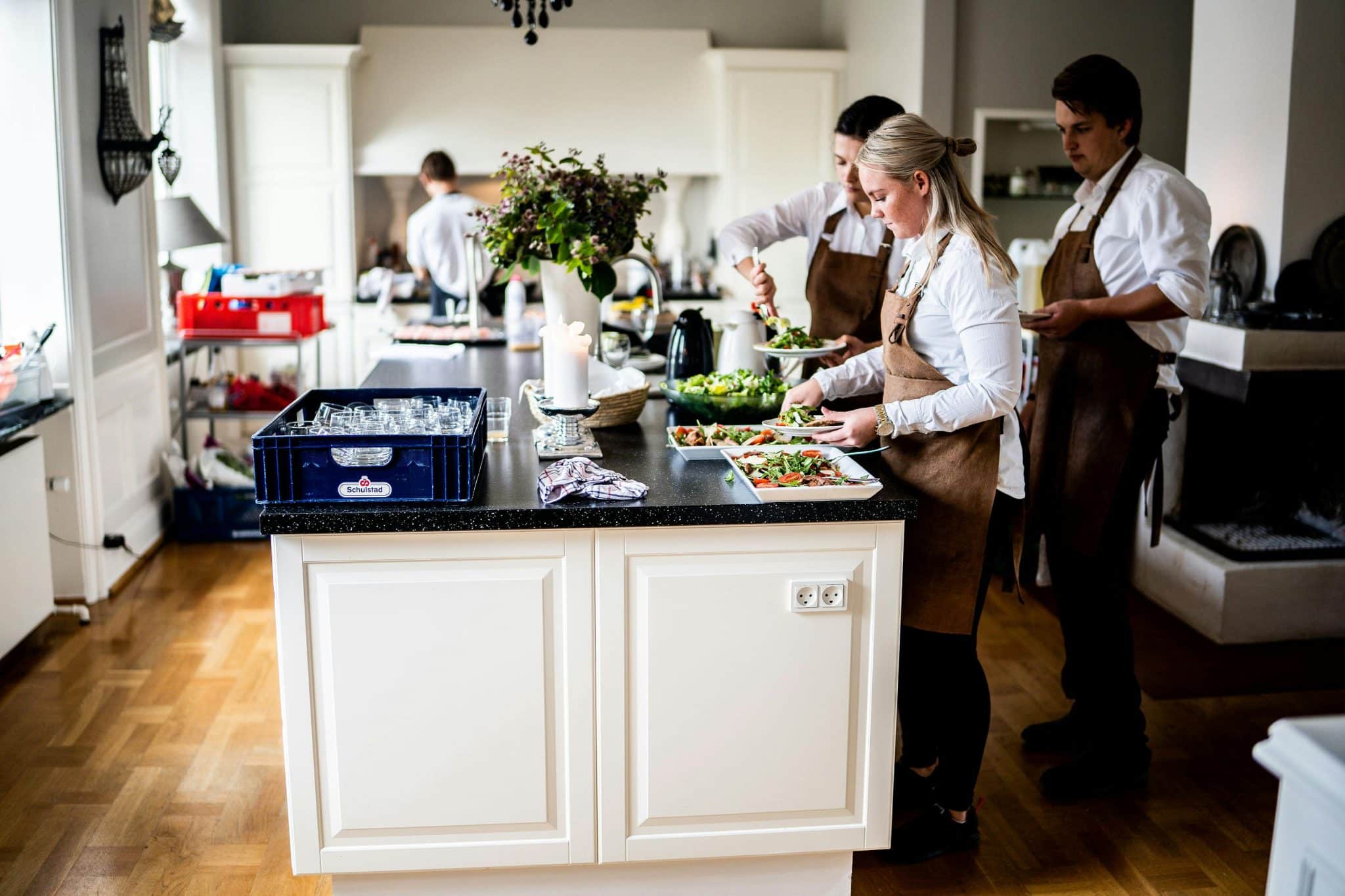
A kitchen makeover isn’t just about trends. It’s about how you feel in the space.
If you cook daily, calming colors can reduce stress. If you host often, warm and inviting tones encourage conversation. If you want a high-end look without renovating, deeper shades can create drama on a budget.
Paint gives you flexibility. Unlike cabinets or countertops, it can be changed again in the future. That freedom makes it one of the smartest upgrades for homeowners who want transformation without major construction.
Final Thoughts
Kitchen color sets the emotional tone of your home. It shapes how you start your mornings and how guests experience your hospitality. Whether you choose warm neutrals, fresh greens, soft blues, or bold dark tones, the key is intention.
By understanding how color affects mood, planning around lighting, and choosing the right finish, you can solve common design frustrations and create a kitchen that truly supports the way you live.
A thoughtful paint makeover doesn’t just refresh walls. It transforms the atmosphere of cooking, gathering, and everyday life.