






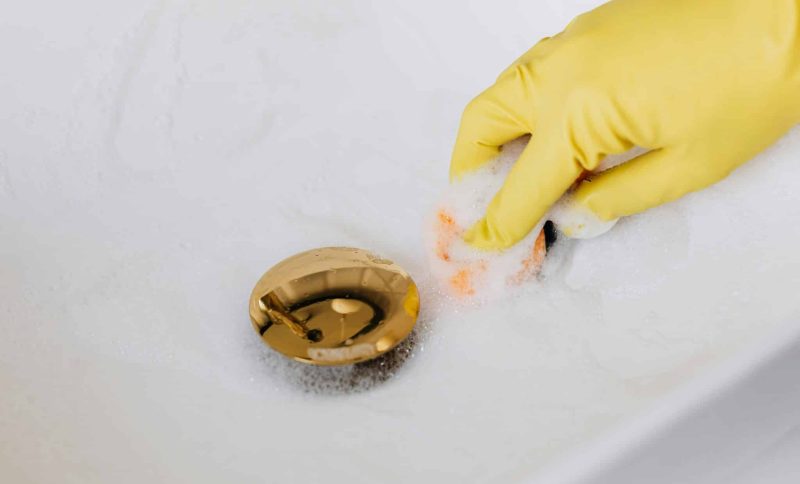
Busy kitchens tell a story long before dinner is served. Aromas drift from the stove, cutting boards fill quickly, and sinks handle a steady rhythm of rinsing, scrubbing, and soaking. Beneath that daily activity, however, a quiet system works just as hard. When a drain begins to slow, homeowners face a choice: address the issue proactively or wait until water refuses to move at all.
Understanding the difference between routine upkeep and urgent intervention protects both workflow and budget. Homeowners can compare the cost of drain cleaning from Ben’s Plumbing with after-hours emergency services to see the benefits of preventive care. Routine maintenance keeps water flowing smoothly, while emergency repairs handle backups, flooding, and pipe stress.
Below, we break down what separates maintenance from emergency response and why the distinction matters.
What Kitchen Drain Maintenance Actually Means
Maintenance is deliberate. Rather than reacting to visible failure, it targets buildup before symptoms escalate. Kitchen drains accumulate residue over time. Cooking oils, starches from pasta, coffee grounds, and soap compounds adhere to pipe walls gradually.
Routine professional cleaning typically involves:
- Mechanical removal of interior buildup
- Camera inspection to evaluate pipe condition
- Flow testing to confirm unobstructed movement
- Assessment of venting and pressure balance
- Recommendations for prevention strategies
Regular attention prevents accumulation from hardening into dense blockages. By scheduling service before major symptoms arise, homeowners protect cabinetry, flooring, and appliance connections from unnecessary strain.
Maintenance also reduces strain on garbage disposals. Many people assume disposals eliminate risk. In reality, they grind waste into smaller fragments that still travel through pipes, where grease and soap residues can trap particles along the way.
How Emergency Repairs Differ
Emergency intervention begins when warning signs have already been ignored or misunderstood. Water backing up into a sink basin, pooling beneath cabinetry, or seeping from pipe joints signals that a restriction has intensified.
Unlike preventive cleaning, urgent service may require:
- Hydro jetting to clear severe obstruction
- Sectional pipe repair if pressure caused cracking
- Cleanup and drying of affected surfaces
- Inspection of adjacent plumbing lines
- Temporary mitigation to prevent further flooding
Sudden backups introduce risk beyond inconvenience. Saturated wood swells. Laminate finishes blister. Electrical outlets near sinks may face moisture exposure. A clogged kitchen line can even place additional load on the main sewer connection if pressure redistributes unexpectedly.
Urgency increases cost not only because of labor timing but because damage control becomes part of the equation.
Early Warning Signs You Shouldn’t Ignore
Most emergencies begin quietly. Paying attention to subtle cues can shift a potential crisis into a manageable appointment.
Watch for:
- Slower drainage after heavy cooking sessions
- Gurgling sounds when water flows
- Faint odors rising from the sink
- Repeated need for plunging
- Water level rising briefly before clearing
These indicators rarely disappear on their own. Chemical drain cleaners may provide temporary relief but often fail to remove hardened grease or compacted debris deeper in the system.
Professional evaluation at this stage typically remains straightforward. Waiting allows buildup to thicken and spread.
Cost Differences: Maintenance vs Crisis
Preventive service is predictable. Emergency response introduces variables.
When comparing expenses, consider the following factors:
- Scheduled appointments typically avoid premium call-out fees
- Minimal obstruction requires less intensive equipment
- No structural damage means no restoration costs
- Kitchen downtime remains limited
- Inspection reports offer future planning clarity
By contrast, severe blockages often require stronger water pressure tools or mechanical cutting equipment. If backup caused leakage beneath cabinetry, flooring replacement may enter the equation. Labor duration increases, as does the scope of assessment.
Kitchen performance plays a role in daily life. Homeowners who cook frequently understand how quickly disruption affects routine.
The Role of Professional Expertise
DIY solutions have their place. Removing visible food debris from a strainer basket or flushing the drain with hot water supports basic care. Yet deeper buildup frequently lies beyond reach.
Ben’s Plumbing approaches kitchen drain systems with a diagnostic mindset rather than quick fixes. Trained technicians evaluate pipe condition, flow efficiency, and surrounding infrastructure to ensure that cleaning resolves root causes rather than masking symptoms.
Preventive appointments often include recommendations tailored to cooking habits. Homes with frequent baking, for example, may experience starch accumulation more rapidly. Households using heavy oils may require different cleaning intervals.
Guidance based on usage patterns makes maintenance practical rather than generic.
Which Option Makes Sense for You?
Choosing between maintenance and emergency service depends largely on timing. If water still drains but performance feels reduced, scheduling professional cleaning preserves efficiency. If liquid stands in the sink and refuses to move, urgency becomes unavoidable.
Kitchens function as central hubs in many households. Protecting their plumbing systems supports hygiene, workflow, and comfort. While emergency repairs restore operation, preventive care sustains reliability.
Proactive service rarely draws attention, yet it prevents disruption that certainly will.
Final Thoughts
Every kitchen relies on a hidden network that supports daily cooking. Addressing minor warning signs early keeps that system functioning smoothly. Comparing maintenance costs with emergency expenses highlights the advantage of timely intervention.
Instead of waiting for a full backup to demand action, consider routine professional cleaning as part of overall kitchen care. Thoughtful planning protects both budget and peace of mind.
When it comes to drain performance, the real difference between maintenance and emergency repair is simple: one prevents problems, the other reacts to them.