







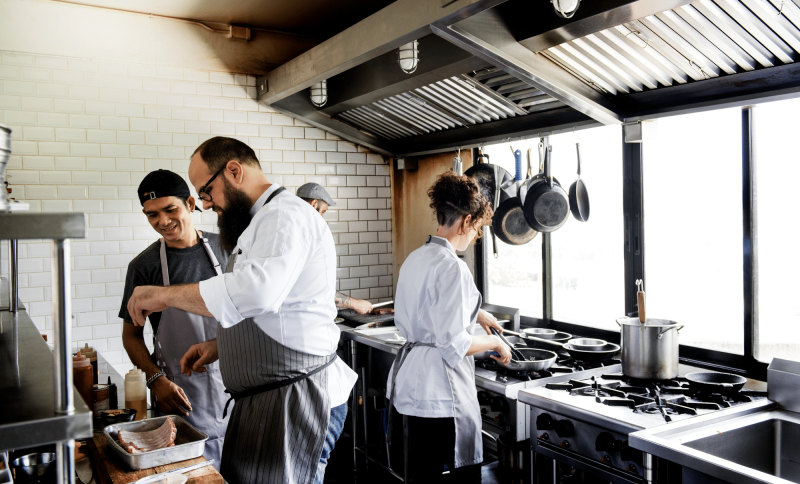
New York City is a city of contrasts, and so are the local establishments. The calm atmosphere inside a restaurant is relaxing – dimmed lighting, a pleasant interior, live music, or soft melodies playing in the background. But step through the “employees only” door, and you’re transported to a different world. It’s noisy, hot, and active. What are the working days like at New York’s most popular spots, and how do chefs get there? Let’s explore the local fine dining culture from a new perspective!
Before the Doors Open: How a Kitchen Prepares for Service
The first step for every chef is to create the ideal conditions for the start of work. And of course, this step must be completed before the establishment opens. Here’s what a typical New York chef does first:
- Equipment setup. Stovetops, hoods, refrigerators, and ovens must be ready for the workload. This varies from kitchen to kitchen, but many of these appliances operate 24/7 to streamline multi-layered processes.
- Preparations. Clean and trimmed vegetables, prepared broths, yeast dough, and ground beef are all ingredients that are always in circulation. They must be ready at all times – and in large quantities.
- Timing. The dream team of the best restaurants knows their tasks and sequences in advance. But for special occasions, banquets, or new menu presentations, the team adjusts every detail.
These little details are a typical part of the routine that sets the chefs up for the entire workday. It’s too late to return to these issues during service, and this foundation allows them to work smoothly and quickly.

Unexpected Diversity: Who Works in the Kitchen
You’re probably thinking, “Well, a chef, sous chef, dessert chef, meat or fish specialist…” Yes and no: typical roles are a self-evident structure. But the kind of people you’ll find in every kitchen in Manhattan and Brooklyn is a different matter. Most often, the team includes the following characters:
- A chef with an international background. Most likely, they’ve worked in Europe, the UAE, or on luxury cruises before, and returned to the kitchen for a stable job in a new city. There’s always room for them: the city offers chef jobs with a stable schedule and benefits. These roles are especially attractive for professionals seeking long-term security and career growth.
- Someone without a degree. This person never expected to become a cook, but they possess incredible skills and experience. These people typically generate unique ideas and work in an engaged and proactive manner.
- Temporary employees, who are a joy to have. Every restaurant has a backup staff – waiters and cooks ready to step in during difficult times. And even though they don’t show up every day, everyone has long considered them part of the team.
- The core of the team. The ones who underpin all services. Being part of a restaurant crew in New York is challenging and sometimes stressful, but never boring.
For many, the New York kitchen is not just a place of work, but a gateway to a career. That’s why the market here is constantly open to new people, especially those who see part-time chef jobs New York as a way to start, change their careers, or combine kitchen work with another job.
Kitchen Formats That Define New York
Of course, you can’t define the entire city by one classic format – New Yorkers have their own eating culture and habits. You’ll find these formats in every borough of New York:
- Fine dining. Classic fusion restaurants or Michelin-starred establishments with $400 set menus: the average bill depends on the neighborhood, type of place, popularity, and standard of the establishment, and prices vary greatly.
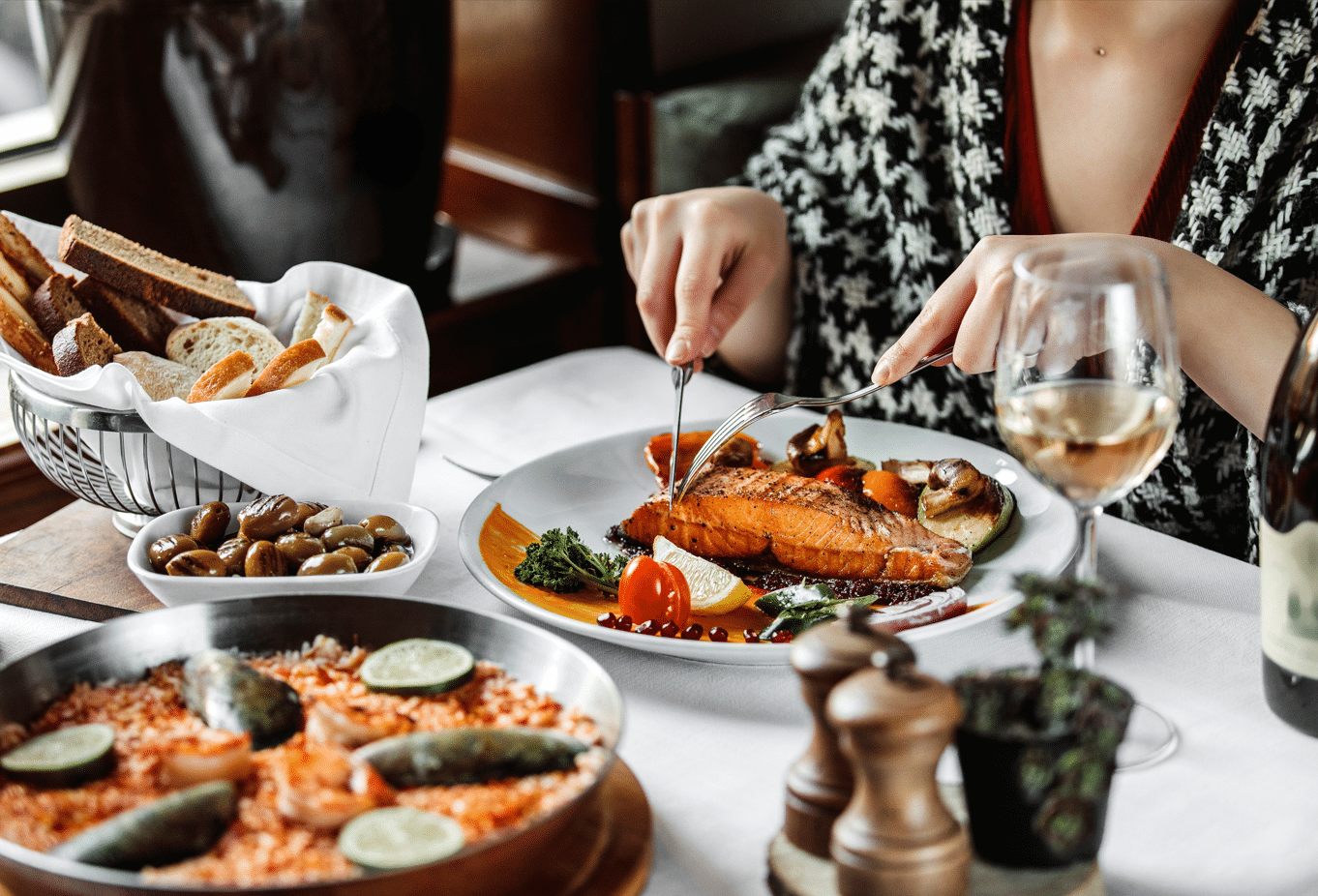
- Casual and neighborhood cafes. Stable, predictable spots – the flow of guests knows what they want and repeats orders over and over again. You’ll find such places in clusters of residential buildings – whether on the Upper East Side or the Bronx.
- High-volume cuisine. They may be similar to neighborhood cafes, but they differ in speed. Cooks at such places are busy all day – the high flow of customers and orders forces them to remain focused at all times. Most often, these are places with a small but popular menu – brunch, bagel places, and street-style pizza.
- Ethnic cuisine. What New Yorkers and visitors alike love: Eastern cuisine, Mexican bistros, Asian takeaways, sushi buffets, and much more. One of the main features of these places is the recipes – they’re passed down within the team, and often the owners of niche spots created the menu themselves and are also skilled cooks.
As you’ve already understood, there’s no “universal” cuisine model here – the rules and technical requirements are the same for everyone, but the approaches vary. We hear a lot about the city’s must-try spots, but rarely about the cuisine. Why? Because they work professionally and harmoniously.