





3D architectural visualization services have become a practical tool for homeowners who want character without chaos. Modern interiors offer efficiency, open space, and visual calm. Vintage pieces bring history, craftsmanship, and emotion. The appeal of mixing them is obvious, but so is the fear. Collectors like Suzie often hesitate before placing a cherished antique into a contemporary setting. The concern is simple. Will it look intentional or accidental? That uncertainty freezes decisions. 3d architectural visualizations remove that barrier. Instead of relying on imagination, homeowners work inside a digital model of their real space. Every item has scale, texture, and light. This virtual environment acts as a risk-free laboratory. Ideas are tested calmly, not emotionally. The blend of old and new stops being a gamble and becomes a controlled design process.
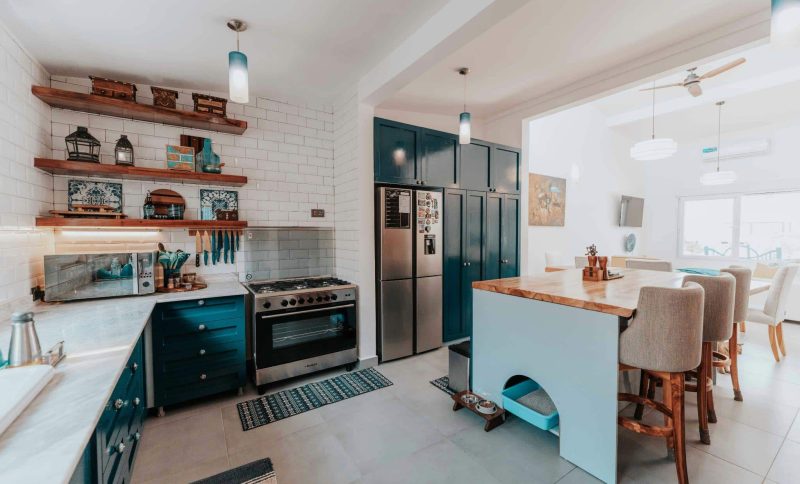
The idea of a style blend is not about contrast for its own sake. It is about dialogue between eras. A modern kitchen can feel sterile without warmth. A vintage object can feel isolated without context. Visualization makes that relationship visible. By digitally placing one-of-a-kind pieces into a modern shell, homeowners see how balance is created. What once felt like a risk begins to feel deliberate.
The Challenge of Harmonizing Eras in Interior Design
Mixing eras challenges both logic and emotion. Vintage furniture often carries irregular proportions, heavy ornamentation, and darker finishes. Modern interiors rely on repetition, alignment, and minimal detail. When these systems collide, the result can feel uncomfortable. A carved hutch may dominate a wall of flat cabinetry. A sleek island may make an antique table feel fragile or lost. These reactions are hard to predict from sketches alone.
Through architectural visualization, these friction points appear early. The digital environment clearly reveals silhouette, spacing, and contrast. Designers can study how an antique profile reads against handle-less doors or polished stone. Sometimes the tension works and creates focus. Sometimes it adds noise. Seeing this distinction before construction prevents emotional attachment from overriding spatial logic.
This process is not about eliminating contrast. It is about shaping it. Visualization allows homeowners to adjust placement, scale, and surrounding elements until the contrast feels intentional. What once felt risky becomes structured.
Using 3D Tools to Validate Thrift Store Finds
For collectors, inspiration often appears unexpectedly. A flea market cabinet. A thrift store chair with history. The emotional pull is immediate, but doubt follows. Will it fit the space? Will it work with modern appliances? With 3d architecture visualization, that doubt can be resolved before purchase.
Specific objects can be recreated digitally using accurate measurements and surface detail. Light interaction matters here. A matte patina behaves differently from lacquered wood. When placed inside a virtual kitchen, the object reveals its true scale and presence. Modern appliances provide a reference point that sketches cannot.
This approach supports confident and sustainable decisions. Instead of buying and hoping, homeowners test and confirm. Fewer mistakes mean fewer returns, less waste, and a more thoughtful collection of pieces that genuinely belong.
Strategic Techniques for Balancing the Old and New
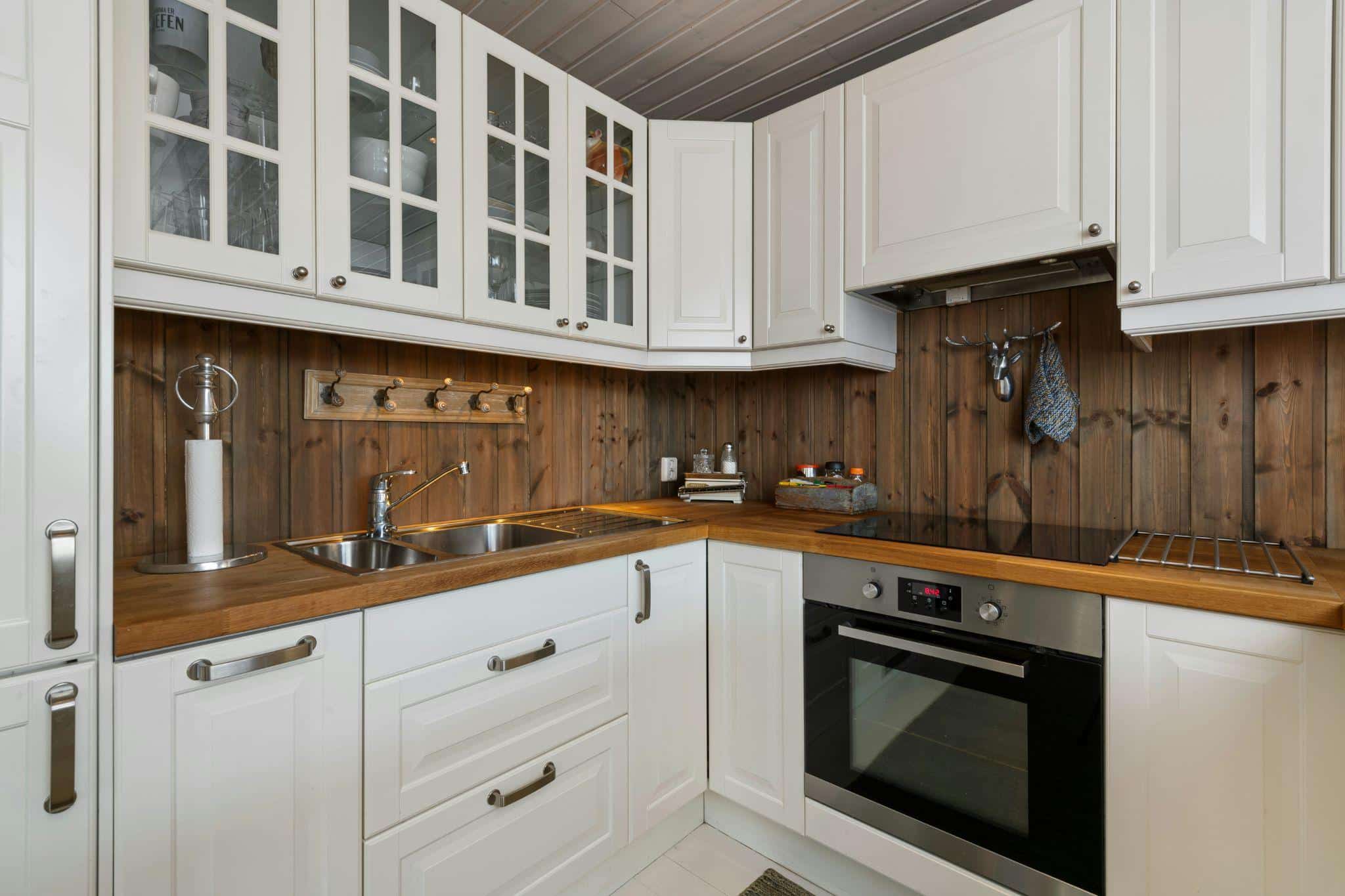
Eclectic interiors succeed when decisions follow a clear structure. A digital environment allows these strategies to be tested without consequence.
- Using neutral backdrops to unify contrasting eras and materials.
- Balancing visual weight so vintage pieces neither dominate nor disappear.
- Creating curated zones where antique items feel intentional.
- Repeating finishes across old and new elements to build rhythm.
- Using lighting to frame a vintage centerpiece as a narrative anchor.
These techniques reduce randomness. They keep personality while protecting coherence.
The Role of Lighting and Texture in Blending Aesthetics
Lighting reveals material truth. Vintage objects often carry patina, wear, and matte finishes. Modern kitchens introduce gloss, reflection, and sharp edges. These surfaces react differently to the same light source.
Through 3d visualization service pipelines, artists simulate these interactions accurately. Warm light may enrich aged metal while softening concrete. Cool LEDs may sharpen geometry but flatten texture. Visualization allows these effects to be studied calmly, without commitment.
This process ensures that the atmosphere remains cohesive. Instead of guessing how light will behave, homeowners see it.
Prototyping Layouts for the Modern Eclectic Kitchen
Layout defines daily comfort. Vintage statement pieces often demand more space than modern furniture. An antique table used as an island may feel charming, but it can restrict movement.
With guidance from a 3D visualisation company, multiple layouts are explored digitally. Circulation paths, sightlines, and work zones are evaluated from every angle. Digital walkthroughs reveal issues that floor plans hide.
This ensures that nostalgia never compromises function. The kitchen remains efficient while gaining character.
Reducing Design Waste Through Digital Visualization
Physical trial and error is expensive. Heavy furniture, shipping, and returns consume resources quickly. Digital planning reduces that waste.
Through architectural visualization services, ideas are resolved once. Only pieces that support the final vision move forward. Contractors and designers work from the same reference.
This alignment prevents mid-project changes and budget drift. The result is controlled, efficient, and sustainable.
Conclusion
Mixing vintage and modern design no longer requires blind confidence. With architectural visualization, uncertainty gives way to clarity. Collectors like Suzie gain freedom to explore without fear of aesthetic conflict.
The most compelling homes tell layered stories. They combine memory with function. Through careful digital planning, 3d architecture studio workflows turn contrast into cohesion.
As tools evolve, 3d architecture visualization continues to bridge eras. In the end, 3d architectural visualizations ensure that every vintage find has a place, and every modern space gains depth without losing purpose.