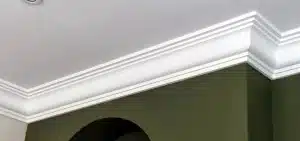







When it comes to interior design, the finishing touches often make the most striking impact. One such element that elegantly bridges the gap between tradition and contemporary style is plaster coving. Often overlooked, coving adds character, depth, and a sense of architectural cohesion to a room. Whether you’re renovating a historic property or adding refinement to a modern build, understanding plaster coving can help you make thoughtful design decisions.
In this post, we explore what Plaster Coving is, how it’s used, its styles and benefits, and tips for choosing the right coving for your space.
What Is Plaster Coving?
Plaster coving is a decorative molding installed where the walls meet the ceiling. Traditionally crafted from plaster of Paris, coving provides a smooth transition between vertical and horizontal surfaces. Unlike simple foam or polystyrene moldings, plaster coving offers durability, depth, and the opportunity for detailed ornamental design.
Historically, coving has been a feature of classical architecture, found in grand homes, public buildings, and heritage properties. Today, homeowners and designers are rediscovering its value as a way to add subtle luxury and architectural interest to interiors.
Why Choose Plaster Coving?
Enhances Architectural Character
Plaster coving brings a room to life. It frames the ceiling, drawing the eye upward and creating a sense of height and space. In older properties, coving can help preserve architectural integrity, while in newer builds, it can introduce classic elements that elevate the overall design.
Conceals Imperfections
One practical advantage of coving is its ability to hide minor flaws where the wall meets the ceiling. Cracks, uneven plasterwork, or inconsistent joins become less noticeable once a well-fitted coving profile is installed.
Complements Various Interior Styles
Whether your space is traditional, contemporary, or somewhere in between, there’s a coving profile to match. Simple, clean lines suit minimalist or modern interiors, while more elaborate designs fit with period or ornate décor.
Popular Plaster Coving Styles
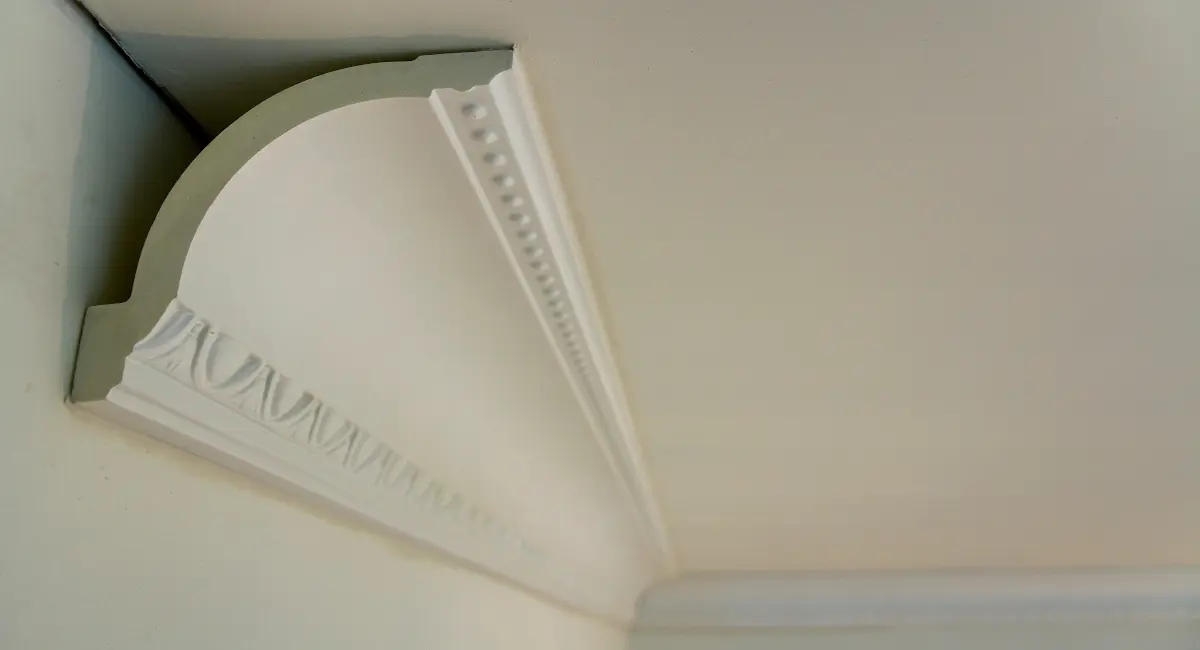
Plaster coving comes in a range of profiles—from understated to highly decorative. Here are some common styles you might encounter:
1. Simple Cove Profiles
These feature smooth, curved lines with minimal detailing. Ideal for modern or transitional interiors, they provide a refined finish without overwhelming the room.
2. Ornate and Detailed Designs
These patterns often include intricate scrolls, floral motifs, and layered curves. They’re perfect for heritage homes, formal living rooms, and spaces where decorative detailing is a priority.
3. Step or Geometric Profiles
These have clean edges and layered steps, creating visual interest without traditional ornamentation. They suit contemporary homes that want structure and texture without florid design.
4. Custom and Themed Designs
Plaster’s versatility means bespoke coving can be created to match specific architectural themes. From Art Deco to Baroque influences, custom coving allows for personalized expression.
How Plaster Coving Is Installed
Preparation
Installation starts with preparing the room. Walls and ceilings must be clean, dry, and free of loose material. Precise measurements are taken to ensure a snug fit for each coving length.
Cutting and Fitting
Coving pieces are cut to size and joined at corners using mitre cuts. For plaster coving, this process requires skill, as plaster is heavier and less forgiving than lightweight materials like polystyrene.
Fixing in Place
Traditionally, coving is fixed using adhesive or a combination of adhesive and mechanical fixings. Once secure, joints are finished with plaster to create seamless transitions between pieces.
Finishing Touches
After installation, coving is typically primed and painted to match or complement room décor. Many designers choose a subtle contrast with the ceiling or walls to highlight the detail.
Benefits of Plaster Over Other Materials
While there are alternative materials like polystyrene and polyurethane, plaster remains a preferred choice for many designers and architects due to:
- Durability: Plaster is long-lasting and less prone to sagging or warping over time.
- Finish Quality: The material can be sanded and refined to a smooth finish, enhancing paint adhesion.
- Detail Reproduction: Plaster excels at capturing fine details, making it ideal for ornate profiles.
- Historically Appropriate: For heritage properties, plaster coving aligns with traditional building practices.
Considerations Before Adding Plaster Coving
Room Height
In rooms with lower ceilings, overly large coving profiles can make the space feel compressed. Choosing a slim profile helps maintain balance and proportion.
Style Consistency
Consider the architectural style of your home. Elaborate coving works beautifully in period properties but may feel out of place in ultra-minimalist interiors. Conversely, simple coving can provide subtle refinement without changing a room’s aesthetic.
Installation Expertise
Plaster coving installation is a craft. Hiring experienced installers ensures the profiles are accurately measured, cut, and finished for a professional appearance.
Creative Ways to Use Plaster Coving
Plaster coving doesn’t have to be limited to ceiling transitions. Some creative applications include:
- Framing Wall Panels: Use coving to create framed effects on walls or ceilings.
- Highlighting Features: Accent alcoves, fireplaces, or built-in shelving with decorative coving.
- Layering Profiles: Combine different coving styles to build depth and complexity in a room.
Conclusion
Plaster coving is more than a decorative accessory—it’s a design element that can define a room’s character and enhance architectural integrity. With its rich history and versatile applications, coving bridges old and new design sensibilities, offering both practical and aesthetic benefits.
Whether you’re restoring a period home or refining a modern interior, understanding the possibilities of plaster coving allows you to make informed choices that elevate your space. Thoughtful selection and professional installation can transform ordinary ceilings into elegant, enduring features of your home.