








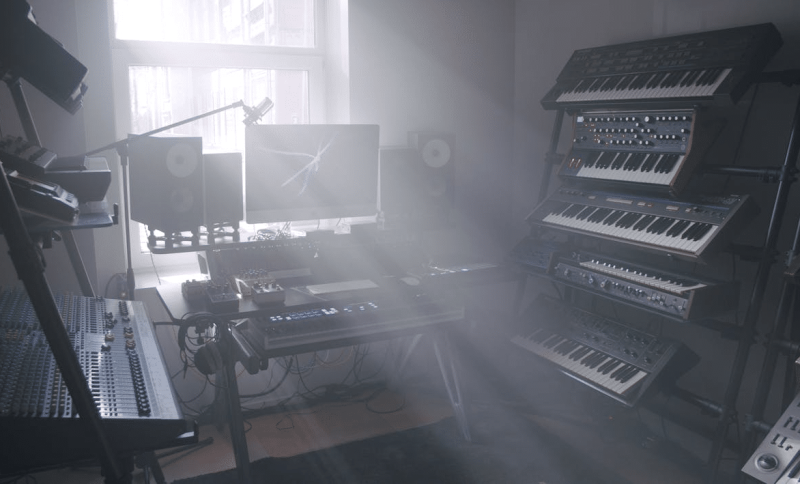
You may not notice it at first, but a chewed cable or faint scratching can destroy hours of recording. Your home studio offers warmth and shelter for pests, so you need a system to protect your gear, sound, and investment.
Know why your studio attracts pests
Your setup might already be giving pests exactly what they want: warmth, darkness, and very conducive nesting spots, which is why issues like these are commonly addressed by pest control professionals who work across different regions and environments, especially in cases such as those handled by Pest Control in Georgia, where home studios and similar equipment-heavy indoor spaces often require attention.
Some of your materials and gear, like acoustic foam, fabric panels, and cables, are easy targets, and rodents chewing wiring can raise fire risk, as noted by the US National Fire Protection Association.
Spot the hidden risk zones before they cost you
Think like a pest and identify possible entry points and hiding places. Tiny gaps near doors, air vents, and openings for cables can serve as simple access points for pests. Besides, you should examine the corners behind the racks, under the desks, and even inside the bins because these secluded spots give pests the opportunity to get comfortable and reproduce without being detected.
Lock down entry points with simple fixes
Seal up gaps and cracks with caulk or weatherstrip, as even tiny holes are enough for mice to get inside. Close off holes in walls with cable grommets, and make sure doors are snug. According to the US Environmental Protection Agency, sealing entry points is one of the most effective long-term measures for preventing mouse invasions.
Control humidity to protect both sound and safety
Humidity sneakily attracts the kind of pests that are not only capable of wrecking your equipment but also your sessions. Silverfish and cockroaches love damp environments such as those in studios, and they feed on things like paper, foam, and wiring.
Using a dehumidifier, maintain the humidity level between 40 and 50 percent to safeguard your gear as well as avoid getting infested.
Enforce a strict no-food zone rule
Food crumbs or debris can quickly turn your studio into a pest hotspot and food plaza. Even some tiny snack residues can already attract ants and rodents within hours (some can come in earlier).
So, keep food out, clean surfaces daily using eco-friendly cleaning methods, and follow UC IPM findings that strong sanitation is one of the most reliable pest control strategies.
Use smart storage to protect your gear
Soft cases, foam padding, and cardboard boxes are easy nesting materials. Store your gear in hard plastic containers with tight lids whenever possible.
Elevate cases and boxes off the floor and avoid stacking items directly against your studio walls. All these are your proactive means to limit hidden nesting zones and make inspections easier later.
Build a quick pre-session inspection habit
Before you hit record, take two minutes to check your space. Look for droppings, unusual smells, or chewed materials.
This habit helps you catch problems early before they affect your session. Early detection is key, since pest populations can grow rapidly in just a few weeks.
Recognize when it is time to call the pro
If you hear scratching, find droppings, or see chewed cables, it’s your cue to act ASAP and call the experts. Professionals today use more tech-savvy pest management tools that can easily whisk those harmful crawlies; even the CDC recommends expert help for persistent rodent problems due to the many health risks they pose.
Stay consistent with a low-effort routine
Protection is not a one-time fix; it is a routine. You can set weekly five-minute clutter, gaps, and cleanliness checks, or as soon as you notice some creepy crawlies, no matter how small.
Consistency keeps small issues from becoming expensive problems in the long run. It’s a positive habit that can become part of your creative workflow, not an extra chore.
Your studio deserves protection as much as your creation
You’ve already invested in gear, plugins, and acoustic treatment, so why let pests undo that work? It’s best to take these moves today, maintain your cool pest-free domain while you do your craft.
Your art flows smoothly when you don’t have some pesky troubles to think about every time you press record.