







In today’s food culture, sauces are having a bit of a glow-up. Social media is flooded with recipe reels and topping tutorials. Every home cook wants their meals to look like they came from a trendy café. On top of that, global flavors are now mainstream, and with them come a wave of new condiments: gochujang, chimichurri, toum, tamarind glaze, and more. The problem isn’t a lack of choices. It’s learning how to use them without overwhelming the plate.
In this blog, we will share how to use sauces to add depth, contrast, and interest to your meals—without losing the original soul of the dish or turning dinner into a flavor overload.
Sauce Smarts Start with the Basics
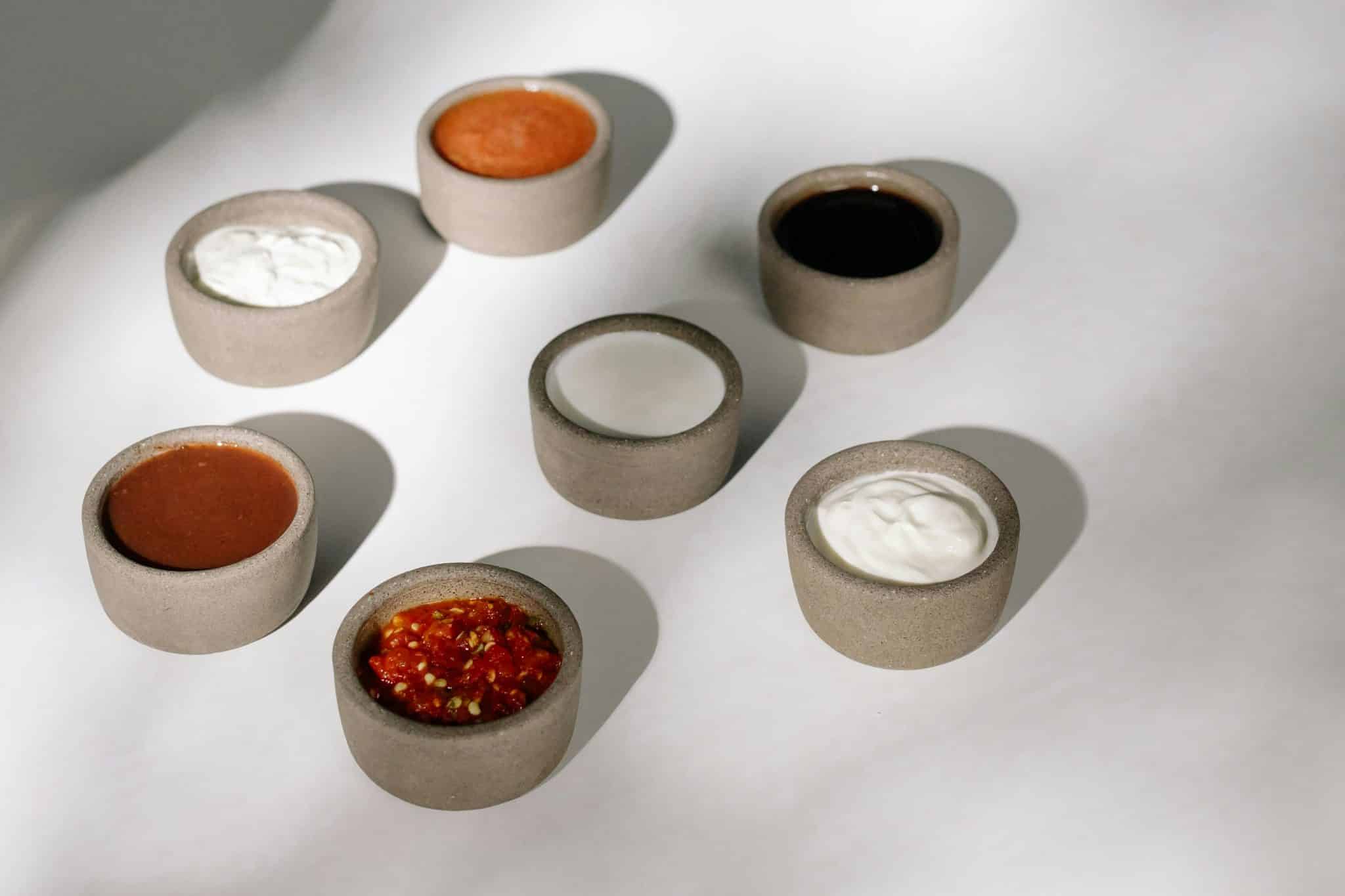
Before you can master sauces, you have to know what you’re working with. The best ones don’t just taste good on their own—they complete the dish. A sauce should highlight, not hijack. It needs balance, and that starts with understanding the five major flavor elements: salt, fat, acid, sweet, and heat.
Salt brings depth. Acid brings brightness. Fat adds richness. Sweetness balances bitterness. Heat wakes everything up. Good sauces usually mix at least three of these. The goal is to contrast what’s already on the plate. Creamy sauce for crispy food. Tangy glaze for roasted meat. Spicy drizzle over something mild. You’re not copying flavors—you’re complementing them.
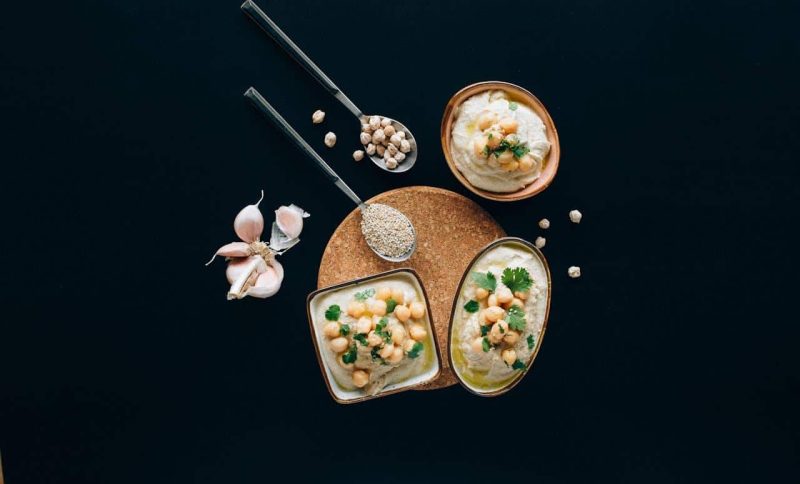
Here’s where it gets tricky: with so many new sauces flooding the market, it’s easy to assume that anything creamy must have dairy. One common question comes up often: Does tahini sauce have dairy? It’s a fair one. Tahini sauce looks rich and smooth, like it might be yogurt-based. But traditional tahini sauce is completely dairy-free. It gets its creaminess from ground sesame seeds, mixed with lemon juice, garlic, water, and a touch of salt. It’s a staple in Mediterranean cuisine and works for people who are vegan, lactose-intolerant, or just trying to lighten up their meals.
This is exactly the kind of sauce that adds complexity without heaviness. It layers texture and flavor while staying true to minimalist, clean ingredients. And that’s the kind of sauce you want in your rotation.
Practical Tips for Sauce Control
Now let’s talk about how to actually use sauces in real life. Start with one rule: add small, taste often. You can always add more. You can’t take it back once it’s in. Think of sauces like seasoning. They’re there to support, not steal the spotlight.
Don’t drown your food. Use sauces as accents. A spoon across the plate. A dollop on the side. A drizzle on top. These are all techniques that keep the sauce visible but not dominating. Visually, it looks better. Flavor-wise, it gives each bite a different experience.
Think about temperature too. A warm sauce on hot food blends naturally. A cold sauce on a hot dish can add contrast. But putting cold sauce on cold food? That’s tricky. It can feel flat unless you’re using strong flavors or textures to wake it up.
And don’t forget about texture. Smooth sauces aren’t always better. Chunky salsa, herby chimichurri, or nutty romesco can offer texture that plays off the softness of roasted vegetables or proteins. Match the feel of the sauce to the meal. Creamy on crunchy works. So does acidic on fatty.
Make It Your Own
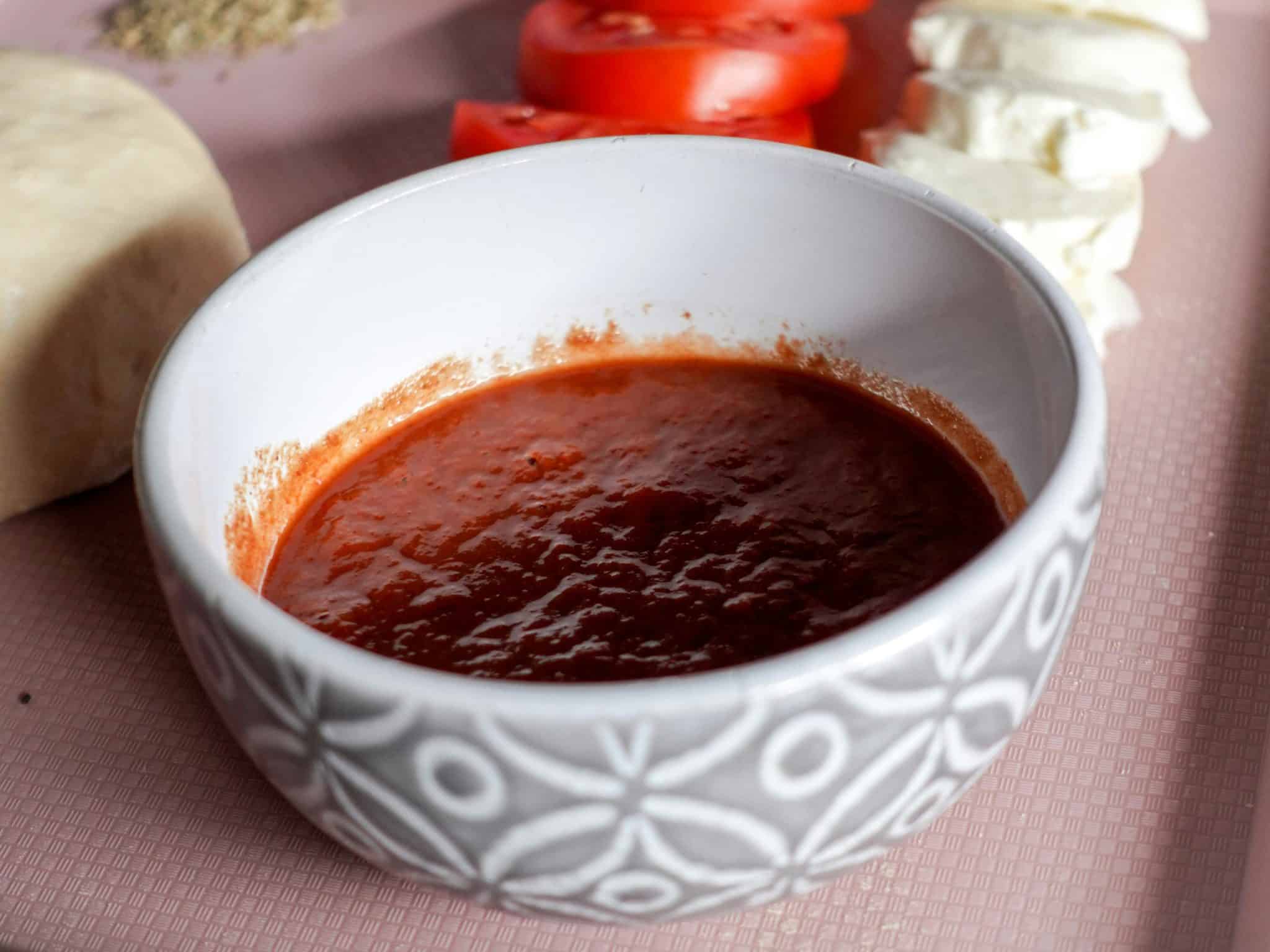
Once you understand the basics, experiment. Start with a neutral base like yogurt, tahini, or pureed vegetables. Then build. Add herbs, citrus, spices, or oils depending on the direction you want to go. A simple garlic-lime yogurt can become a cooling sauce for spicy kebabs. Roasted red pepper blended with olive oil and smoked paprika makes a killer sandwich spread.
If you want to keep it plant-based, avocado, cashews, and even white beans make great creamy sauce bases without using cream. These options give you control over the thickness, the flavor, and the nutrition.
You can also take your favorite bottled sauces and improve them. Add lemon juice to cut sweetness. Mix in chili oil to bring heat. Fold in chopped herbs to freshen it up. Store-bought isn’t the enemy—it’s just a starting point.
When to Skip the Sauce Altogether
It might sound strange in a piece about sauces, but sometimes the smartest move is not adding one at all. Great cooking is also about knowing when to hold back. Not every dish needs a final flourish. Some ingredients speak loudly enough on their own. A perfectly grilled steak with a solid crust doesn’t need chimichurri every time. A fresh tomato salad at peak season might only need olive oil and salt.
Sauces can become a reflex—something added out of habit rather than need. That habit can dull your palate. If everything is always coated in garlic aioli or drenched in barbecue glaze, you stop tasting the food underneath. When flavors are already in harmony—roasted vegetables caramelized just right, rice cooked in broth, herbs mixed into the dish—adding sauce might just crowd the plate.
Try serving the sauce on the side instead. Let people dip, drag, or skip it entirely. It gives you more control and a better understanding of what works. Holding back lets you appreciate what’s already working, and makes the moments when sauce really shines even more satisfying.
Why It Matters Beyond the Plate
Mastering sauce isn’t just about food. It’s a mindset. It’s about making small decisions that add up to better outcomes. A good sauce is about intention. Knowing what to use, how much to use, and when to use it is the same thinking that applies to good habits in other parts of life. Don’t overdo it. Don’t underdo it. Learn to taste, pause, and adjust.
In a world obsessed with more—more flavor, more ingredients, more everything—sauce-savvy cooking teaches you to be selective. To be precise. To think about balance, not just boldness.
And when it’s done right, a spoonful of the right sauce at the right moment turns a basic bowl of food into something memorable. Something that didn’t try too hard but still hit every note. That’s the kind of confidence any cook can build. No flashy ingredients required. Just a little flavor, in the right place, at the right time.