





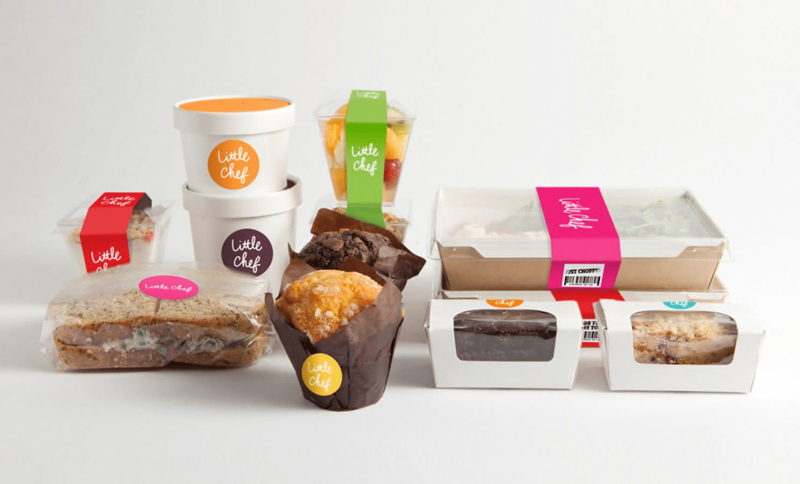
Food is the most crucial aspect of human life. It maintains physical health, helps to take care of the mental state and basis of social and cultural activities in the world. Nevertheless, food is very sensitive to the factors in the environment. It can quickly lose its quality and safety if it is exposed to air, moisture, light, microorganisms, and temperature changes. The food packaging is not just a cover; it’s a well thought system aimed at the food protection, preservation, prolongation of the use and also ensuring safety between preparation and consumption. Additionally, food subscription boxes provide a convenient way to ensure that food stays fresh and properly packaged.
Why Food Packaging Is Essential?
There are some critical functions by food packaging that have a direct influence on the quality and safety of food.
Protection Against Physical Damage
Food may be crushed, torn or deformed during storage and movement. The packaging is giving structural strength that ensures that the food is not affected by pressure, vibration and impact. Foods that are fragile like baked materials or fresh ones need packaging that supports the shape and does not bruise or break.
Preservation of Freshness
Packaging freshness is directly related to the ability of packaging to prevent air and moisture exposure. Oxygen may result in oxidation, thus colour change, off-flavours and loss of nutrients. The imbalance of moisture will either cause food to dry up or encourage molds. Packaging assists in slowing down such processes through a stable internal environment.
Food Safety and Hygiene
Packaging prevents physical contact with contaminants like bacteria, dust, insects and people. Ready-to-eat and cooked food is particularly severe when it comes to sealed packaging since the risk of contamination is more significant. Proper packaging leads to a lower incidence of foodborne diseases due to an instinctive exposure to dangerous microorganisms.
Organization and Storage Efficiency
Food packaging is also effective in facilitating storage as it prevents foods from being mixed, recognizable and controllable. Food can be stored without cross-contamination and the user can keep track of freshness and usability by proper packaging.
What’s The Impact of Food Packaging?
The packaging has direct effects on the appearance of food, smell, taste and the safety of the food during storage. The packaging reduces exposure to oxygen, maintains proper moisture content to slow down oxidation and loss of moisture that help to preserve the freshness. Packaging also improves safety, by avoiding contamination and minimizing microbial growth by minimizing contact with external pollutants and handling.
Presentation, but not promotional in nature, is associated with the fact that the food is kept in the same natural look, color, texture and structure when stored. Packaged foods will not seem damaged, dried out, and will not spoil easily. Simple decisions such as the wrapping or dividing of foodstuffs with custom food paper can help to keep hygiene and avoid sticking or transfer of moisture, benefiting both to keep the foodstuffs fresh and to look presentable.
Who Uses Food Packaging?
Food packaging is employed at all the levels of food handling as opposed to the industrial world.
Home Cooks
Packaging is an important aspect of daily food management by the home cooks. Packaging is used to preserve leftovers, freeze foods to be used later as well as preserve ingredients like grains, spices, and vegetables. Proper packaging will ensure that the food waste is minimized and that the household food practices are safe.
Bakers
Bakers rely on packaging in order to retain texture and quality. Baked goods are also vulnerable to air and moisture exposures that may result in staleness and development of molds respectively. Packaging makes the balance between these factors, giving the opportunity to keep freshness a decent amount of time.
Catering Services
Food packaging is essential in catering processes to store, prepare, and transport large amounts of food both within a short and long duration of time. Packaging will ensure the food doesn’t get too hot or too cold and it’ll also avoid spillage during transportation.
Food Storage and Meal Prep Users
Plan the meals ahead and pack in containers to preserve the durability of ingredients. A reliable food packaging company plays a significant role to ensure portion control, freezer storage, and organized refrigeration. This helps prevent spoilage and cross-contamination.
Restaurants and Commercial Kitchens
Commercial kitchens and restaurants rely on food packaging to store food resources safely, prepare and store foods cooked and briefly. Packaging will make the distinction among raw and cooked foods, minimize the risk of contamination and enable the kitchens to keep track of the inventory.
Different Types of Food Packaging by Material
Different packaging materials provide different levels of protection and suitability.
Plastic Packaging
The use of plastic is important because it is flexible, lightweight and cannot be affected by moisture. It may be air tight or breathable according to food requirements..
- Flexible structures
- Lightweight handling
- Moisture control
Paper and Cardboard Packaging
The packaging material can be the paper which is breathable and appropriate with dry foods. It also enables air flow, and is helpful to those foods that require ventilation. Nevertheless, it doesn’t give much water and humidity protection, hence cannot be used with wet foods.
- Air permeability
- Dry storage
- Limited resistance
Glass Packaging
Glass also serves as a great barrier to air and moisture. It doesn’t take in smells or tastes and is applicable to both hard and liquid food. Nevertheless, it is more heavy and fragile, which means that it should be handled carefully.
- Chemical stability
- Flavor integrity
- Fragile handling
Metal Packaging
Metal packaging is very protective and is mostly employed in storage of food over a long period. It gives a full barrier against light, air and moisture making it perfect with preserved foods. It is rigid and makes it enduring.
- Structural strength
- Complete shielding
- Extended storage
| Packaging Material | Air Barrier | Moisture Barrier | Shelf Life Impact |
|---|---|---|---|
| Plastic (sealed) | Moderate–High | High | Medium to long |
| Paper/Cardboard | Low | Low | Short |
| Glass | Very High | Very High | Long |
| Metal | Very High | Very High | Very long |
Short-Term vs Long-Term Food Storage Performance
Performance of packaging differs according to the storage period.
Short-Term Food Storage
Short term storage is meant to be used on foods that can be used in a number of days or weeks. Short term packaging is an accessibility and convenience oriented approach that offers moderate protection. These include the leftover or store containers.
Long-Term Food Storage
Storing food over a long period of time entails the use of packaging that can preserve food quality over months or years. The aim of such packaging is on airtight packaging, high barriers, and environmental resistance.
| Storage Aspect | Short-Term Food Storage | Long-Term Food Storage |
|---|---|---|
| Intended duration | Days to weeks | Months to years |
| Primary objective | Easy access and freshness retention | Extended preservation |
| Packaging focus | Convenience and reusability | Strong barrier protection |
| Air exposure control | Partial limitation | Minimal or fully restricted |
| Moisture control | Moderate | High |
| Typical food types | Leftovers, fresh produce, cooked meals | Grains, preserved foods, canned items |
| Spoilage rate | Slower than unpackaged food | Significantly reduced |
| Storage environment | Refrigerated or room temperature | Controlled, stable conditions |
Packaging for Dry Foods vs Moist Foods
Different packaging needs for dry and moist foods to keep them fresh and safe.
Dry Foods
Dry goods like rice, flour, spices and snacks are dried products that should be protected against moisture. A small amount of moisture will cause clumping, mold or infestation by pests.
Moist Foods
Cooked food, meat, fruits, and vegetables are more susceptible to bacterial growth as they are moist foods. Packaging has to avoid leakage, oxygen blockage, and be hygienic.
Food Behavior and Packaging Requirements
Here’s a brief overview of the key factors that affect food preservation and packaging needs for optimal safety.
| Food Type | Moisture Content | Packaging Requirement | Common Risk Without Proper Packaging |
|---|---|---|---|
| Grains & Rice | Low | Moisture-resistant | Mold and pest damage |
| Fresh Vegetables | High | Breathable moisture control | Rotting due to condensation |
| Baked Goods | Medium | Limited air exposure | Staleness or mold |
| Cooked Foods | High | Airtight and hygienic | Bacterial growth |
| Dry Snacks | Low | Airtight | Loss of texture and flavor |
Common Mistakes in Food Packaging
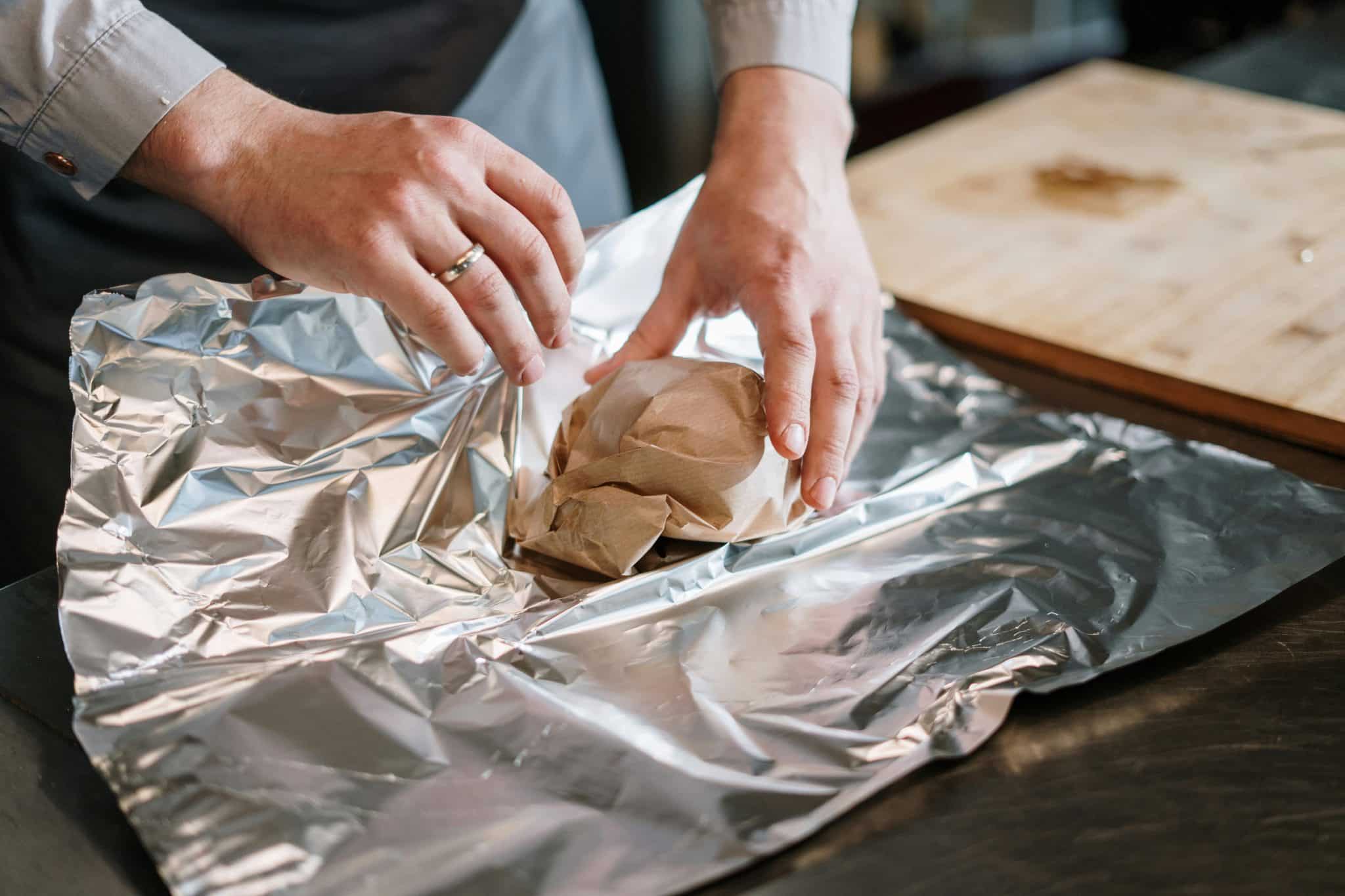
Despite the noble intentions, inappropriate packaging of foods can decrease the levels of freshness, encourage spoilage, and waste of food. Learning about the general mistakes enables food businesses and home cooks to preserve the quality and safety of food.
Using the Wrong Packaging Material
The most common mistake that one can make is when selecting a packaging material that does not match the type of food. Indicatively, paper or cardboard storage of moist foodstuffs such as cooked meat may cause leakages and bacteria. Flour or rice are examples of dry foods that should be stored in airtight containers to avoid moisture and infestation by pests.
Improper Sealing
Raw and cooked foods should not be stored together as it is one of the biggest risks of cross-contamination. The leakage of a raw meat or a vegetable can cause the bacteria to contaminate cooked food. Foodborne diseases and unhygienic conditions may be avoided by using different containers and labeling items.
Ignoring Storage Conditions
Stuffing containers either excessively or insufficiently may affect the protection. Overpacking can squash fragile goods such as pastries or vegetables and underpacking can also move around causing damage to food or shortening shelf life. The selection of the appropriate container size would guarantee correct food safety.
Mixing Raw and Cooked Foods
Raw and cooked foods should not be stored together as it is one of the biggest risks of cross-contamination. The leakage of a raw meat or a vegetable can cause the bacteria to contaminate cooked food.
Reusing Unsuitable Packaging
Not every packaging is supposed to be used repeatedly. When using low quality plastic wraps, single use cartons and damaged containers are reused and may create contamination or chemical leaching.
So, Which Food Packaging Should I Choose?
The appropriate food packaging is determined by safety and functionality as well as the nature of food you are storing or presenting. Most foods are best packed in cardboard packaging as it is non-toxic, durable and breathable that would suit dry products. In the case of moist foods, lined or coated cardboard is used to maintain hygiene and avoid the leakage. Customs are also available in the modern packaging whereby you can choose the size and design as well as features that best suit you.
The most popular ones are a drawer style box that can be easily opened, a windowed box that can show the food and a magnetic closure box that will add a classy feel. A number of these are eco-friendly and made of recyclable or biodegradable materials. Through proper packaging, you’ll be able to preserve food, keep it fresh, improve presentation, as well as helping in sustainable food storage and transportation.