









Most people don’t think about where their protein comes from, so their choices usually come down to taste or what feels easy to cook. But when you start comparing options like beef jerky or seafood, the focus shifts a bit. It’s not only about protein anymore; it becomes about how that food was produced and what it took to get to you. Fish and beef are both common choices, but they leave different footprints, and now, the difference depends more on how they are sourced.
Why Protein Choices Matter for Sustainability
Protein is part of everyday meals, so it rarely gets questioned. Behind that, there is a chain of resources that includes land, water, feed, fuel, and more. Beef relies heavily on land and feed production, while fish depend on ocean systems that are not unlimited. Even farmed fish is tied back to those systems in some way. Most of this is not visible when you’re eating, but that means it often goes ignored.
Environmental Impact: Fish vs. Beef
When assessing the environmental impact, the difference is often easier to notice. However, it doesn’t stay consistent across every case.
Land Use and Emissions in Beef Production
Beef production takes up more space than most people expect. It’s not only about grazing land; a large part of the impact comes from the crops grown to feed cattle. Corn and soy are commonly used, and these need plenty of land, water, and fertilizers. That creates pressure in places that are not directly connected to the farm, especially if the feed is shipped from an entirely different region.
Cattle also produce methane during digestion. In small numbers, it doesn’t seem like much. At scale and across large herds, it can add up. Plus, cattle take longer to grow compared to other protein sources. The longer the growth cycle, the more resources are used during that period.
Fishing Pressure and Ocean Impact
Some fishing methods are selective. Large nets can pull in everything in their path, not only the species being targeted. That means the problem is no longer about what’s intentionally caught, but about the species being accidentally removed from the ecosystem. Fish are part of a chain, and removing too many affects the balance. The impact depends on location, species, and method, so treating all fish the same does not work for sustainability.
The Trade-Offs in Fishing Farming
Fish farming might sound like a solution at first. It reduces pressure on wild fish, but it introduces different problems. Waste from forms can build up in the surrounding water, and disease spreads faster in crowded environments. Some farms rely only on feed made from smaller wild fish, but that puts significant strain on the local ecosystem.
Bluefin tuna farming is a good example of how complex this gets. These fish are often caught in the wild and then raised in pens until they reach market size. It’s not fully independent farming; it takes the best outcome from each situation to minimize the bigger concerns.
Farming and Sourcing Methods
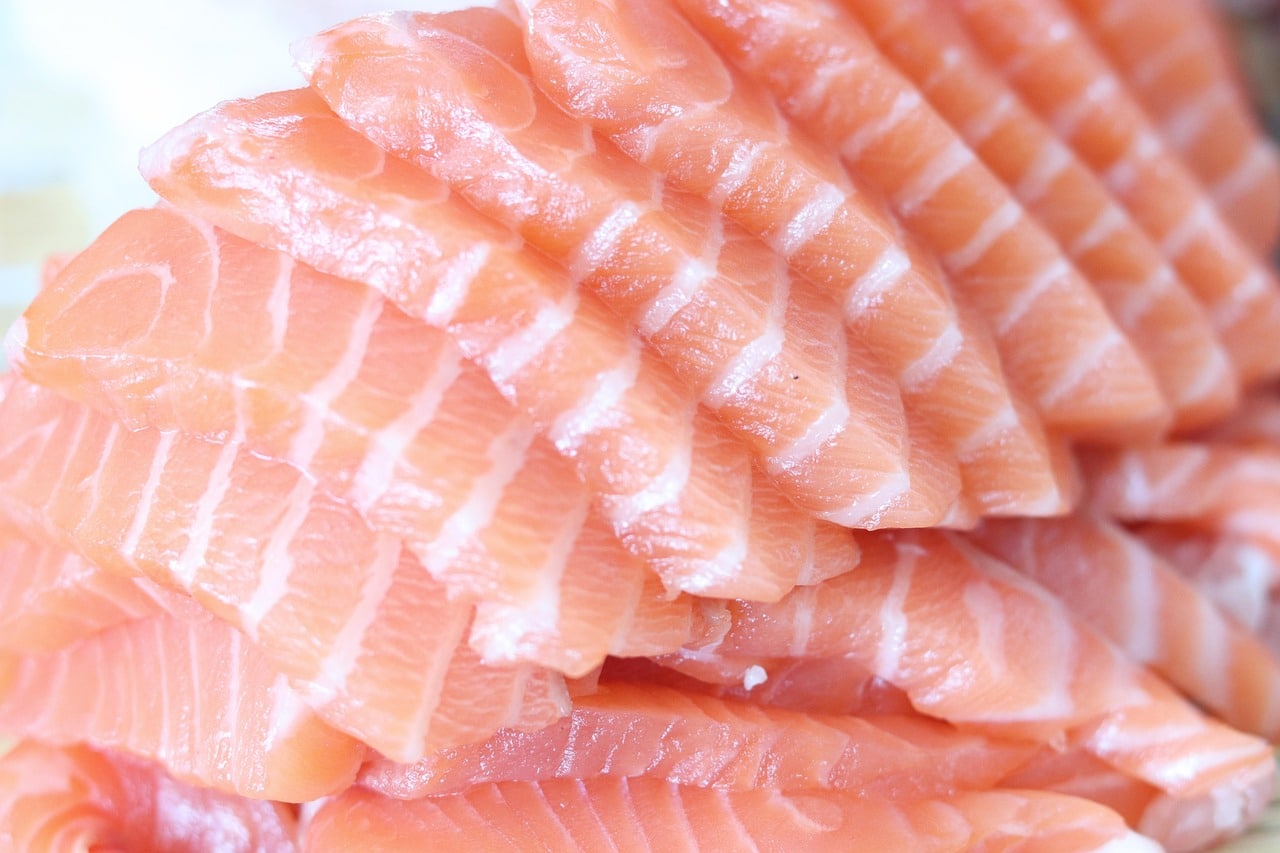
The farming and sourcing methods used can determine almost everything. They affect the outcome, environmental impacts, carbon footprints, and more.
Beef Production Practices
Grass-fed systems take more time. Cattle grow more slowly, which means resources are used over their lifespan. That’s why farmers often use feedlots for confined spaces to speed up growth. It reduces time, but increases dependence on crop farming and concentrates waste.
Fishing and Agriculture
Wild-caught fish can come from different systems. Most fisheries are regulated and monitored, while others are under pressure with fewer controls. The difference shows up in long-term fish populations. Aquaculture tries to stabilize supply, but it is not separate from the environment. Water quality, disease, and feed sourcing all play a role.
That’s why bluefin tuna farming and other specialty fisheries are often misunderstood. These fish are usually captured in the wild and then raised in pens. It still depends on wild populations, even though it looks like farming.
Nutritional Value Comparison
From a nutrition perspective, both fish and beef can fit into a balanced diet. The difference shows up in smaller details. Beef is known for its iron content, alongside vitamin B12 and zinc. All of these support energy levels and basic functions.
However, not all cuts of fish and beef are the same. Some are higher in fat content, and others are leaner. The cooking method also changes the final outcome. A serving of either can meet daily needs depending on portion size, but you’ll want to look into exactly what nutrients your protein source contains.
Fish tends to be lighter, offering additional nutrients like omega-3 fatty acids, though that depends on the specific type of fish in question. What people often overlook is frequency. Eating the same type of protein repeatedly has a different effect compared to rotating between sources.
Which Option Is More Sustainable Overall?
There is a general pattern, but it is not absolute and can vary based on consumption method. Land use, methane emissions, and feed production all contribute to that. Fish can be a lower-impact option, but only in certain situations.
Well-managed fisheries and responsible farming methods are key to ensuring that your protein source is sustainable. Some fish are overfished, and some farming systems can create their own set of problems. That’s why you should always investigate the source company’s website to determine whether or not your meals are sustainable.
Practical Ways to Make Better Protein Choices
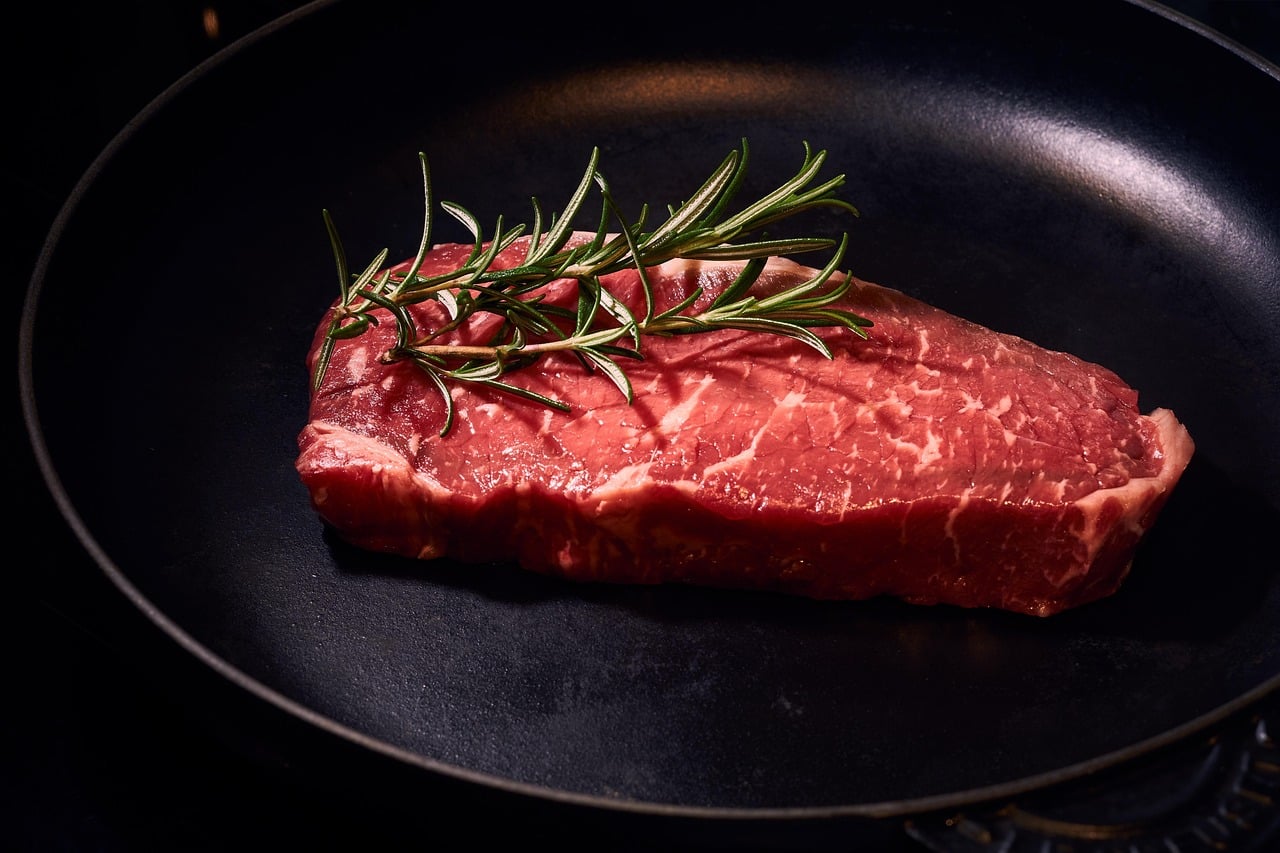
This does not need to turn into strict rules. Small, practical changes can be more realistic for making a better choice.
Pay Attention to Where It Comes From
You do not need to research everything, but basic sourcing helps. Even simple details on packaging can give some idea of how the product was produced. From there, you can gain more insights into the research to get complete information.
Reduce Frequency Instead of Cutting Everything Out
Removing something completely is hard to maintain. Eating beef less often already changes the overall impact. It doesn’t require a full dietary shift; just cutting back a little bit here and there is easier to maintain than a full restriction.
Do Not Rely on One Protein Source
Switching between different protein sources spreads demand. It also reduces pressure on any single system over time. It gives your body a wider range of nutrients, which offers its own set of significant benefits for your health.
Be Careful with “Better” Labels
It’s easy to assume that certain labels mean the product is a better choice. In reality, labels don’t always explain the full process. Some are backed by strict standards, while others are used more loosely. A product labeled as “sustainable” might still come from a production system with its own issues, or focus on one part and leave out others. Labels aren’t useless, but relying on them and them alone can lead to a false sense of certainty.
Final Thoughts
There is no single answer that fits every situation here. Beef usually comes with a heavier footprint, but that does not mean fish is always the safer option. It depends on where it comes from, how it was raised or caught, and how often it shows up in your meals.
Most of that is not obvious when you are making a purchase. It sits behind the scenes, in the way things are produced and moved around. Once you start paying attention to that part, the comparison stops feeling like a simple choice between the two options and becomes more about noticing the differences that matter most.