





Valentine’s Day can feel loud and scripted, all roses and reservations booked three weeks too late. Food lovers tend to want something quieter and better tasting. This is the holiday to lean into what actually feels intimate, cooking something together, sharing bites straight from the pan, lingering at the table long after the plates are cleared. A meal can say a lot without trying too hard, especially when it feels personal and a little indulgent. For foodies, that is the whole point.
The Case for Staying In and Eating Well
Restaurants have their place, but Valentine’s Day crowds can drain the joy out of even the best menu. Cooking at home gives you control over pace, music, lighting, and that second glass of wine that somehow always tastes better in your own kitchen. There is also something grounding about choosing ingredients, chopping, tasting, adjusting. It slows the night down in the right way.
This is where quality matters. Splurging a bit on ingredients you do not buy every week changes the tone of the meal. A good olive oil, fresh herbs that still smell like themselves, and luxury milk chocolate bars tucked away for later all signal intention without shouting it. The food does not need to be complicated. It just needs to feel chosen.
Setting the Mood Through Flavor
Romance in food is less about candle count and more about how a dish unfolds. Think about contrast. Rich paired with bright, warm paired with fresh, familiar paired with one small surprise. A silky soup followed by something crisp and herby. A deeply savory main balanced with acid and heat. The goal is to keep the palate awake and curious.
Seasonality helps here. Winter flavors lend themselves to depth and comfort, but a hit of citrus or bitterness keeps things from feeling heavy. Even something as simple as finishing a dish with lemon zest or flaky salt can wake everything up. When food tastes alive, the night tends to follow.
Cooking Together Without Turning It Into a Project
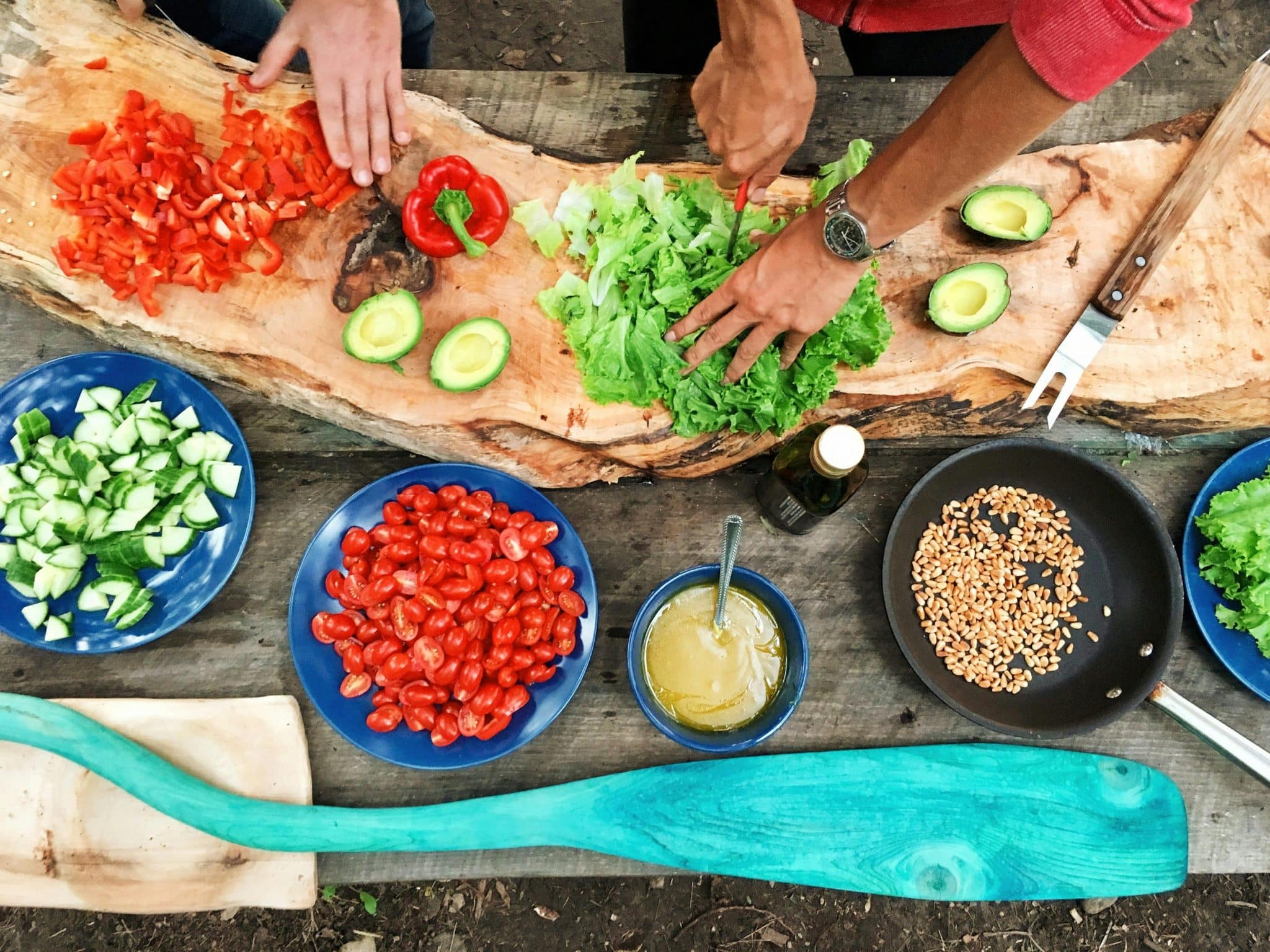
Not every couple wants to divide tasks like a cooking show challenge. Choose a menu that allows for shared moments without stress. One person can handle the main while the other focuses on sides or dessert, with plenty of crossover for tasting and stealing bites. Music on, phones away, no pressure to plate like a restaurant.
This is also where a romantic recipe earns its keep. Not because it is fancy, but because it invites collaboration. Pasta dough rolled together, risotto stirred slowly while talking, sauce tasted and adjusted twice just because you can. These are small acts, but they build a rhythm that feels intimate and unforced.
Dessert as the Real Love Language
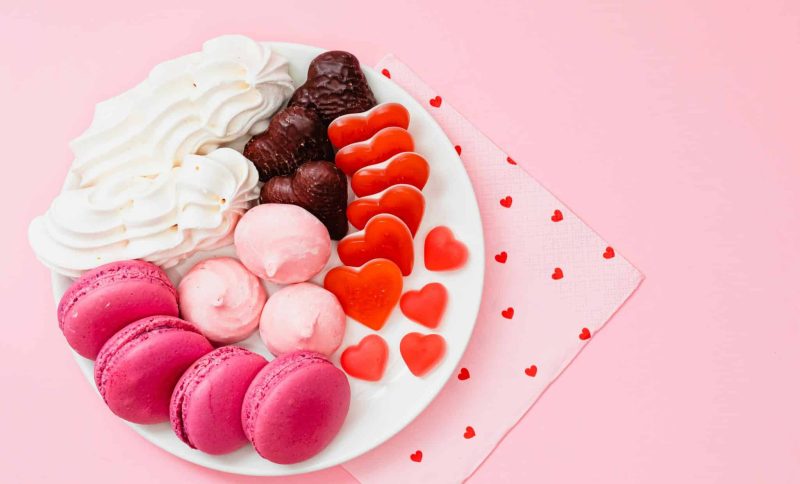
If there is one place to linger, it is dessert. This is where Valentine’s Day can lean into pleasure without apology. Chocolate is the obvious move, but quality makes all the difference. Instead of piling on sweetness, aim for depth. Dark chocolate with a hint of bitterness, milk chocolate with caramel notes, a sprinkle of salt to keep things honest.
Serving dessert does not need to be formal. A shared plate, a few forks, chocolate broken by hand. Pair it with espresso, a digestif, or nothing at all. Dessert is less about the recipe and more about the pause it creates. It tells the night you are in no rush.
Thoughtful Pairings That Do Not Overcomplicate Things
Wine pairings can be fun, but they do not need to turn into homework. Choose one bottle that works across courses or switch to something unexpected like a vermouth and soda or a simple cocktail built around citrus and herbs. The drink should support the food, not compete with it.
Nonalcoholic options deserve the same care. Sparkling water with bitters, a homemade shrub, or a warm spiced tea can feel just as special when served with intention. The point is to have something in the glass that feels considered, not obligatory.
The After-Dinner Moment That Matters Most
Once the plates are cleared, resist the urge to immediately clean the kitchen. Let it sit. Light another candle, put on a record, break out the last square of chocolate. This is often when the night softens, when conversation drifts and laughter comes easier.
Food has a way of opening that door. A well-fed body relaxes, defenses drop, and time stretches. Valentine’s Day does not need to be dramatic to be meaningful. Sometimes it is just two people, a good meal, and the sense that nothing else needs your attention right now.
Valentine’s Day for foodies works best when it feels intentional but not stiff, indulgent but not overdone. Good ingredients, shared effort, and a meal that unfolds at its own pace do more than any prix fixe menu ever could. When food is treated as an experience rather than a performance, the romance tends to take care of itself.