






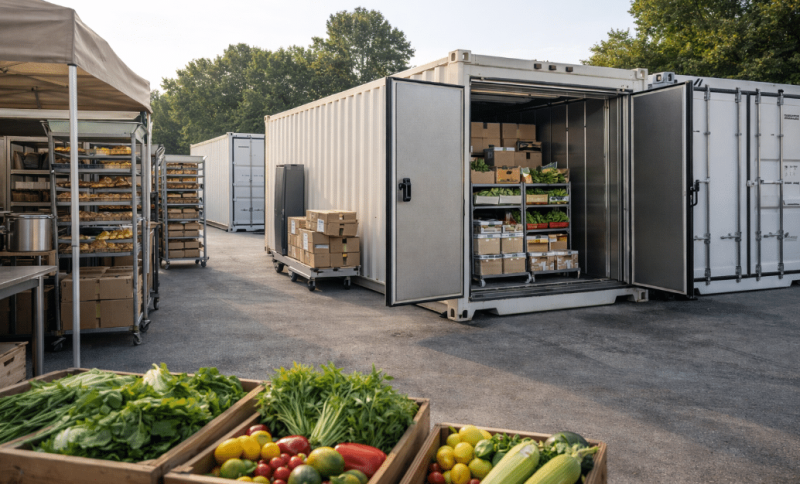
For food businesses, cold storage is not just a convenience. It is a daily operational need that affects product quality, food safety, inventory planning, and customer satisfaction. Whether you run a catering company, meal prep business, bakery, restaurant group, food distribution service, or seasonal food operation, the question often comes up at some point: Is it better to buy refrigerated equipment or rent it only when needed?
In many cases, renting makes more practical sense. A refrigerated container can give food businesses extra storage during busy periods without the long-term cost and responsibility of ownership. That can be especially helpful when demand changes throughout the year, when operations are growing, or when a business needs access to a reliable refrigerated container rental for short-term storage. This kind of flexibility can make it easier to handle changing demand without committing to a permanent purchase.
Understanding the Real Cost of Ownership
Buying a refrigerated container may seem like the more permanent and cost-effective decision at first. For some food businesses with steady, year-round cold storage needs, that can be true. But the purchase price alone does not show the full cost of ownership.
A purchased unit may also involve:
- delivery and setup costs
- electrical planning and site preparation
- maintenance and repairs
- performance monitoring
- downtime risks if the unit fails
- long-term depreciation
For a food business, these added responsibilities can become expensive or time-consuming. Renting often reduces that pressure. Instead of committing capital to a major purchase, businesses can use cold storage as a flexible operating expense and keep more funds available for inventory, staffing, equipment, or expansion.
Rental Often Makes More Sense During Busy Food Seasons
One of the strongest reasons to rent rather than buy is seasonal demand. Many food businesses do not need the same amount of cold storage all year. They may need extra refrigerated space during holiday catering periods, summer beverage demand, harvest season, festival schedules, or promotional sales spikes.
Buying a container for short peak periods can leave a business paying for equipment that sits unused during slower months. Rental is often the better fit for businesses that deal with:
- holiday inventory surges
- event-based food service
- temporary catering contracts
- seasonal ingredients or produce storage
- short-term menu expansions
- fluctuating delivery volumes
This kind of flexibility matters in food operations, where timing is everything. Being able to add storage when demand rises and remove it when demand slows can make inventory management easier and reduce unnecessary overhead.
A Smart Option for Temporary Food Projects
Not every food business need is permanent. Sometimes extra cold storage is required for a short-term project, a pop-up kitchen, a market season, a food festival, a renovation period, or a temporary increase in production.
In those cases, buying may create more hassle than value. Ownership means the business has to:
- source the unit
- arrange delivery and installation
- manage upkeep during use
- decide what to do with the container afterward
Rental simplifies the process. The unit can be delivered for the exact period it is needed and removed once the project is over. For food businesses that need to stay focused on operations, prep, and service rather than equipment logistics, that can be a major advantage.
Useful for Growing Food Businesses
Growing businesses often need more cold storage before they are ready to make permanent infrastructure decisions. A food processor, distributor, or retailer may know demand is increasing, but still have limited visibility into long-term space requirements.
Buying too early can lead to the wrong decision. A unit that seems suitable today may become too small in a few months. A larger purchase may also prove excessive if projected growth slows down.
Rental gives businesses time to test and assess real demand before making a long-term commitment.
Renting Helps When Requirements May Change
Cold storage needs do not always stay the same. A business may need freezer temperatures for one project and chilled storage for another. It may need a different container size after reworking its layout, or relocate to a site with different access or power conditions.
Buying assumes that current needs will remain stable long enough to justify the investment. That is not always realistic.
Rental offers more flexibility when requirements are likely to shift. It is often the better option for businesses that are:
- testing new products
- entering new markets
- adjusting logistics processes
- working in changing site conditions
Keeping storage flexible can reduce financial exposure and make operations easier to adapt over time.
Buying Still Has a Place
There are situations where buying makes sense. If a food business has year-round refrigerated storage needs, a stable operating location, predictable inventory flow, and the internal resources to manage maintenance, ownership may provide better long-term value.
Buying may be the better option when a business has:
- consistent year-round cold storage demand
- a permanent site
- a clear understanding of long-term capacity needs
- staff or support for maintenance and repair
Still, buying should not be seen as the default move. For many food businesses, flexibility is just as important as long-term cost.
Conclusion
For food businesses, refrigerated container rental often makes more sense than buying when storage needs are seasonal, temporary, or still evolving. It can help reduce upfront costs, support food-safe inventory management, and give businesses more room to adapt during busy periods or growth stages.
While buying may be the right fit for some stable, long-term operations, rental is often the more flexible option when needs are less predictable. In many cases, using refrigerated container rental https://midstatecontainers.com/collections/refrigerated-containers-rental is simply a practical way to match cold storage capacity to the real pace and demands of a food business.