






In professional kitchens and home pantries alike, grass-fed beef tallow is staging a quiet comeback. This traditional cooking fat—rendered from cattle raised on pasture—delivers a depth of flavor that modern oils simply can’t match. Its resurgence isn’t nostalgia; it’s a response to growing interest in whole-food ingredients with genuine nutritional value.
Unlike industrially processed fats, grass-fed beef tallow offers a nutrient profile shaped by what the animal ate.
The result is a cooking medium that enhances sauces with rich, savory notes while providing fat-soluble vitamins and stable fatty acids. For cooks seeking both flavor and function, it’s worth understanding what sets this ingredient apart.
What Makes Grass-Fed Beef Tallow Different
Grass-fed beef tallow comes from cattle that spend their lives grazing on pasture rather than confined to feedlots. This distinction matters more than you might expect. The fat rendered from grass-fed animals contains a different balance of nutrients compared to conventional tallow, reflecting the animal’s natural diet.
Key characteristics include:
- Nutrient density: Higher concentrations of vitamins A, D, E, and K2, which are fat-soluble and better absorbed when consumed with fats.
- Fatty acid composition: More omega-3 fatty acids and conjugated linoleic acid (CLA) compared to grain-fed alternatives.
- Stability: A high smoke point around 400°F makes it suitable for high-heat cooking without breaking down into harmful compounds.
- Flavor profile: Clean, beefy richness without the off-notes sometimes present in grain-fed tallow.
The Case for Grass-Fed Over Conventional
Choosing grass-fed tallow isn’t just about marginal nutritional improvements. The differences compound across several dimensions:
- Omega-3 to omega-6 ratio: Grass-fed tallow contains up to five times more omega-3 fatty acids, helping balance the omega-6-heavy modern diet.
- CLA content: Conjugated linoleic acid, which has been studied for its potential metabolic benefits, appears in significantly higher amounts in grass-fed fat.
- Animal welfare: Pasture-raised cattle live closer to their natural behavior patterns, with access to open space and varied forage.
The quality difference becomes apparent in cooking. Grass-fed tallow imparts a cleaner, more pronounced beef flavor to sauces without the slightly waxy mouthfeel that can come from conventional alternatives.
Sourcing Quality Tallow in Larger Quantities
Once you start cooking with grass-fed tallow regularly, buying in bulk makes practical sense. The fat stores well and costs less per pound when purchased in larger amounts.
- Where to look: Local butchers who work with grass-fed beef often sell fat trimmings or rendered tallow. Farmers’ markets with whole-animal vendors are another reliable source.
- Quality markers: Look for “100% grass-fed” rather than “grass-finished,” which may indicate grain feeding for most of the animal’s life. Organic certification adds assurance about pasture quality and the absence of synthetic pesticides.
- Storage strategy: Tallow keeps for months at room temperature in a sealed container, away from light. Refrigeration extends shelf life to a year or more. For long-term storage, freezing works well—portion it into smaller containers for convenience.
- Economics: Bulk purchases typically reduce the per-ounce cost by 20-40%. Given tallow’s stability and versatility, stocking up makes sense for regular users.
When evaluating suppliers, ask about their sourcing. Reputable vendors should be able to tell you where their cattle were raised and what standards the farms follow.
Rendering Your Own: A Practical Guide
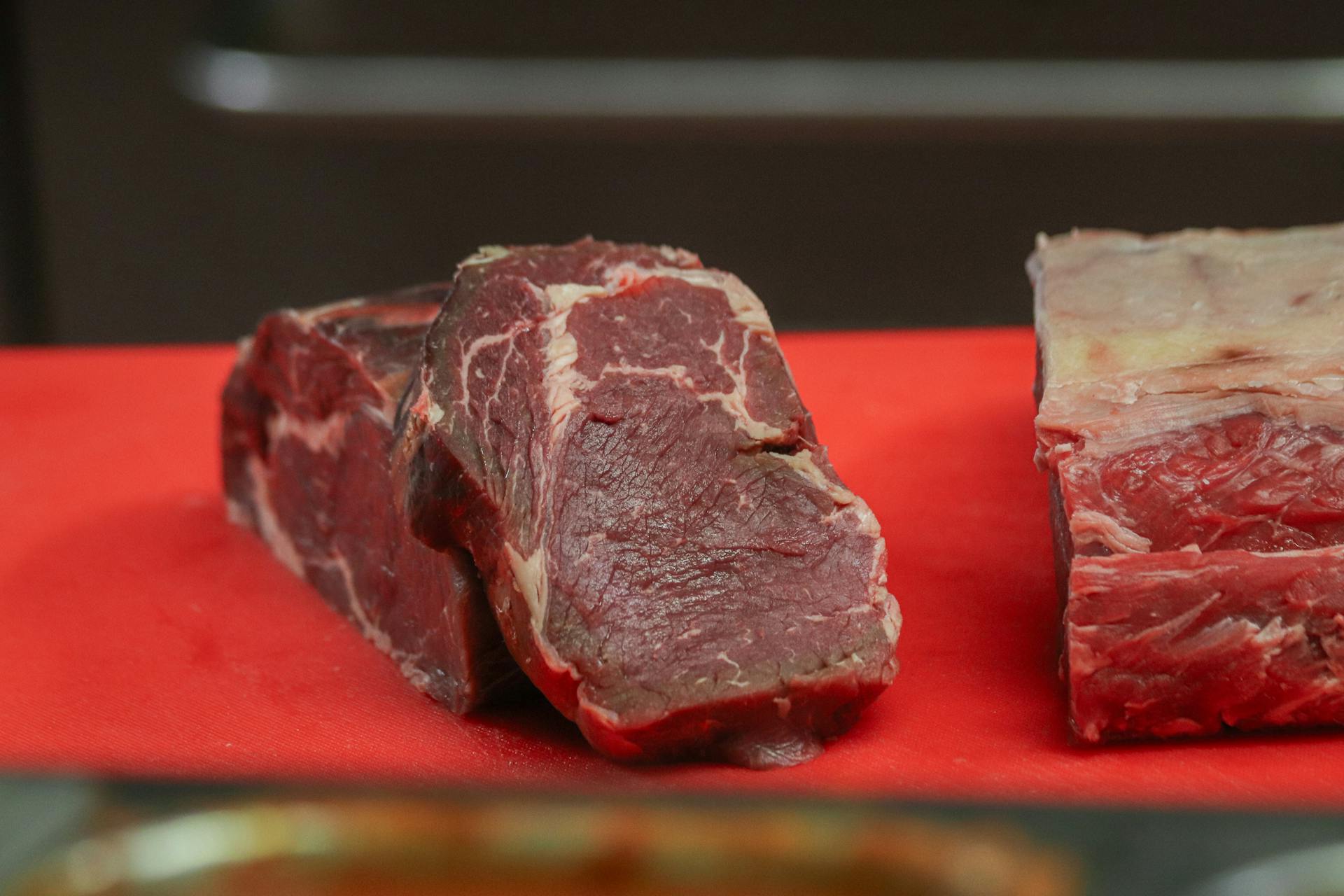
Making tallow at home gives you complete control over quality and freshness. The process is straightforward, requiring only time and attention to temperature.
- Source the fat: Ask your butcher for grass-fed beef fat trimmings, specifically suet (the hard fat from around the kidneys) for the highest quality. You’ll need about 2-3 pounds to make the effort worthwhile.
- Prepare for rendering: Trim away any meat or connective tissue, then cut the fat into 1-inch cubes. Smaller pieces render faster and more completely. Some cooks freeze the fat briefly to make cutting easier.
- Choose your method: Low and slow is key. Use a slow cooker on low, a heavy pot on the stovetop’s lowest setting, or an oven at 225°F. The goal is to melt the fat without browning it, which takes 4-8 hours depending on quantity and method.
- Monitor the process: Stir occasionally. The fat will gradually liquefy, leaving behind crispy bits called cracklings. When the liquid is clear and golden and the cracklings have stopped bubbling, you’re done.
- Strain and store: Pour the liquid through cheesecloth or a fine-mesh strainer into clean glass jars. Let it cool uncovered, then seal and store. The tallow will solidify as it cools, turning creamy white.
The cracklings left behind make an excellent snack or salad topping—season them with salt while still warm.
Building Better Sauces with Tallow
Grass-fed beef tallow transforms sauces in ways that neutral oils cannot. Its rich, savory character adds complexity, while its texture creates body and sheen.
- Pan sauces: After searing meat, tallow forms the base for deglazing. It carries the fond (browned bits) into solution better than butter alone, creating deeper flavor.
- Classic French sauces: Use tallow in place of some or all of the butter in béarnaise, bordelaise, or marchand de vin. The result is richer without being heavy.
- Gravies: Tallow makes exceptionally smooth gravies with a silky mouthfeel. Its high fat content helps prevent lumps when whisking in flour.
- Finishing touch: A small amount of tallow whisked into a completed sauce adds gloss and rounds out flavors, similar to the French technique of monter au beurre.
Here’s a foundational technique that showcases tallow’s strengths:
Red Wine Pan Sauce with Tallow
- After cooking steaks or roasts, pour off excess fat but leave the browned bits. Add 1 tablespoon grass-fed beef tallow to the hot pan.
- Add 2 minced shallots and cook until softened, about 2 minutes, stirring to incorporate the fond.
- Pour in ¾ cup dry red wine and increase heat to medium-high. Scrape the pan bottom thoroughly as the wine bubbles.
- Let the wine reduce by half, then add 1 cup beef stock. Simmer until the sauce coats the back of a spoon, about 5-7 minutes.
- Remove from heat and whisk in 1 tablespoon cold butter and fresh thyme. Season with salt and pepper.
The tallow provides a foundation that butter alone can’t achieve, while the butter finish adds brightness. This technique works with variations—try port instead of red wine, or add mustard and cream for a different direction.
Beyond the Kitchen: Tallow for Skin Care
The same properties that make grass-fed tallow valuable in cooking translate surprisingly well to skin care. Its fatty acid profile closely resembles human sebum, making it readily absorbed without feeling greasy.
- Moisturizing properties: The saturated fats in tallow create an effective moisture barrier while vitamins A, D, and K support skin health
- Minimal processing: Unlike commercial moisturizers with long ingredient lists, rendered tallow is a single-ingredient product
- Compatibility: The similarity to skin’s natural oils means tallow is less likely to clog pores or cause irritation for most people
- Traditional use: Tallow-based balms have been used for centuries to protect skin from harsh weather and heal minor irritations
To use tallow for skin care, ensure it’s been properly rendered and strained. Some people prefer to whip it with a small amount of oil (like jojoba or olive) for easier application. Apply sparingly—a little goes a long way.
The Organic Question
When choosing grass-fed tallow, you’ll often encounter organic options at a premium price. Whether that premium is worth it depends on your priorities.
- What organic certification means: Cattle must be raised on certified organic pasture without synthetic pesticides, herbicides, or fertilizers. They cannot receive antibiotics or growth hormones.
- Practical differences: For tallow specifically, the impact of organic certification is less dramatic than for produce. Fat-soluble toxins are a concern, but grass-fed standards already prohibit many problematic inputs.
- When it matters most: If you’re using tallow for skin care or consuming it in large quantities, organic certification provides additional assurance about what the cattle weren’t exposed to.
- Environmental angle: Organic standards include soil health requirements and biodiversity considerations that go beyond basic grass-fed protocols.
For cooking purposes, high-quality grass-fed tallow from a trusted source often delivers similar results to organic at a lower cost. For skin care applications, the organic premium may be more justified given direct absorption.
Getting Started
Incorporating grass-fed beef tallow into your cooking doesn’t require overhauling your entire approach. Start with applications where its qualities shine: pan sauces after searing meat, gravies for roasts, or as a finishing fat for vegetable dishes.
Keep a jar near your stove alongside your olive oil and butter. As you become familiar with its flavor and behavior, you’ll develop an intuition for when to reach for it. The goal isn’t to replace other fats entirely, but to add another tool that excels in specific applications.
For those ready to experiment, a reliable source for your first jar includes Golden Age Fats, while Fatworks and options at Thrive Market offer entry points at various price tiers. Starting with a smaller quantity before committing to bulk purchases lets you assess flavor compatibility with your cooking style.