If you’ve ever hit that afternoon wall where you’re shaky, snacky, and somehow still exhausted, you’re not imagining it. When stress is high and meals are scattered, your hormones and your appetite can start calling the shots.
I’m Casey, and on Suzie the Foodie I’m all about food that feels doable on a busy Tuesday. The good news is you don’t need a perfect plan or fancy supplements to feel steadier. A few small kitchen habits can help support your cortisol rhythm and keep blood sugar more even, which is huge for energy, mood, and cravings.
Why Cortisol and Blood Sugar Can Feel so Connected
Cortisol is your main “get up and handle it” hormone. It naturally rises in the morning and tapers off at night. Many people also have a cortisol bump about 30 to 45 minutes after waking, which is normal. Where it gets tricky is when you stack stress on top of not eating enough, living on coffee, or skipping meals until noon.
That combo can push your body to lean harder on quick energy. For a lot of women, that shows up as intense cravings, irritability, and waking up tired even after being in bed all night.
If PCOS is part of your life, this can feel even louder. PCOS affects an estimated 6% to 12% of women of reproductive age in the U.S., and it’s closely tied to insulin function. That doesn’t mean you need to fear carbs. It means the way you build your plate matters, especially at breakfast and during your most stressful hours.
My “calm Morning” Formula (even if You’re Not a Morning Person)
When I’m trying to support hormones, I start with one goal: eat something real within a couple hours of waking. Not because of a rule, but because it’s one of the easiest ways to reduce the blood sugar free-fall that makes stress feel worse.
Step 1: Put Protein First, Then Add Carbs on Purpose
A simple target that helps many women is aiming for a protein-forward breakfast. You don’t need to measure, but you do want a clear protein anchor: eggs, Greek yogurt, cottage cheese, a protein smoothie, or leftovers from dinner. Then add fiber and color with fruit, oats, whole grain toast, or roasted potatoes, plus a fat like avocado, nuts, or olive oil.
Here’s the magic: you’re building a breakfast that digests more slowly. That steadier energy often means fewer cravings later and less of that anxious, buzzy feeling that can hit after coffee on an empty stomach.
Step 2: Make Coffee a “with Food” Thing
I love coffee. I’m not taking it away. I’m just a fan of pairing it with breakfast instead of using it as breakfast. If you want something that feels a little special and still fits into a morning routine, I’ve also seen women enjoy a Cortisol cocktail.
If you try it, treat it like an add-on, not a replacement for breakfast. The food piece is what keeps you grounded.
Step 3: Use Your Kitchen Like a Shortcut, Not a Chore
If mornings are chaos, set yourself up the night before the same way you would for meal prep. I’ll portion yogurt with berries, pre-scramble eggs, or pack smoothie ingredients in a container so I can dump and blend. This is the same “make it easy on Future Me” energy I use for one-pan dinners and crockpot meals.
Lunch and Dinner that Support Hormones without Being “diet Food”
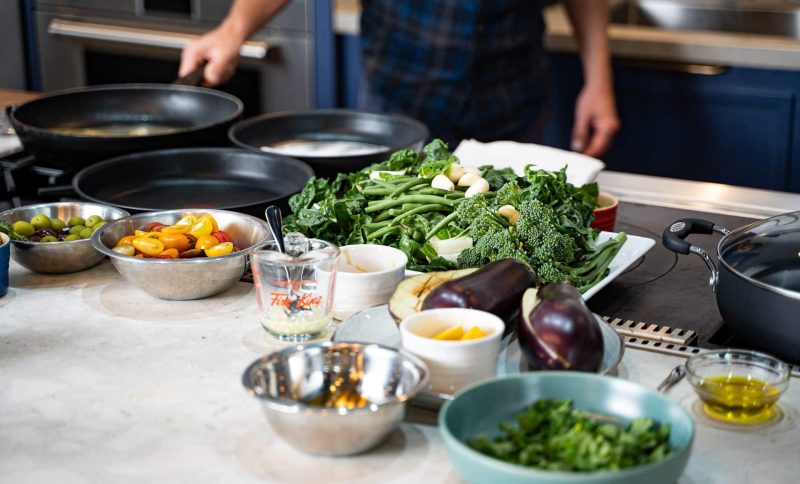
The easiest way to make meals feel more stabilizing is to build them like comfort food with structure. I think in three parts: protein, fiber-rich carbs, and veggies, then I make it taste good with a sauce.
This is where your copycat condiments and quick homemade dressings can do a lot of heavy lifting. A simple yogurt-based sauce, a vinaigrette, or a creamy chipotle-style drizzle can turn plain chicken and rice into something you actually want to eat.
If you’re cooking for a family, try using one base meal and letting everyone customize. Taco bowls, sheet-pan sausage and veggies, or a big skillet of ground turkey with peppers can become wraps, salads, rice bowls, or nachos. It’s less mental work, and less mental work is a stress win.
One more practical tip: don’t let lunch become the “sad meal.” When lunch is too small or too carb-heavy, it’s common to get that 3 p.m. crash. Leftovers are your best friend here. I’ll happily eat last night’s dinner at noon, and my energy usually thanks me.
If PCOS Might Be in The Mix, Here’s What I’d Focus on First
If your cycles are irregular, you’re dealing with persistent acne or hair changes, or weight feels unusually stubborn, it’s worth bringing up PCOS with your healthcare provider. Getting the right labs and support can take a lot of guesswork out of the day-to-day.
Food-wise, the most helpful first moves tend to be the boring ones that work: consistent meals, a solid protein at breakfast, fiber at most meals, and strength training if your body tolerates it. You’re not trying to “eat perfectly.” You’re trying to make your blood sugar less dramatic so your cravings, mood, and sleep can settle.
And if you’ve been stuck in an all-or-nothing cycle with food, consider this permission to step back. Hormones tend to respond better to steady, not extreme.
The Takeaway I Want You to Actually Use This Week
If you do nothing else, pick one “anchor meal” to make easy and repeatable, like a high-protein breakfast you can throw together in 10 minutes. Put it on autopilot for a week and notice what changes: cravings, energy, patience, sleep. Small kitchen routines can be surprisingly powerful when stress is high, because they give your body a consistent signal that it’s safe, fed, and supported.