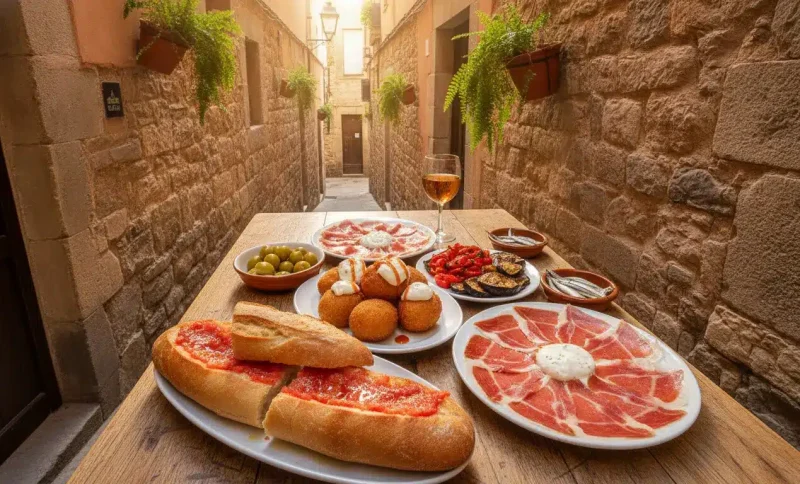
Barcelona makes eating look effortless. A bakery window shows off flaky pastries. A market stall piles tomatoes, jamón, olives, and seafood into bright displays. A small bar fills with people standing over glasses of vermouth and plates made for sharing.
That ease can be misleading.
In a city this popular, convenient food is not always good food. Restaurants near major attractions often depend on one-time visitors, so the menus get bigger, the photos get brighter, and the cooking becomes a generic version of Spain. It is possible to spend several days eating out in Barcelona and still miss the rhythm of how the city actually eats.
To eat well here, you need more than a list of famous dishes. Timing, market culture, Catalan traditions, and local dining habits all shape the experience. The most memorable meals usually come from knowing where to slow down, what to order, and which easy options to avoid.
Why Barcelona Is So Easy to Eat Badly
Most first-time visitors follow a similar route. They visit La Sagrada Família, walk Las Ramblas, explore the Gothic Quarter, head to Park Güell, and search for a meal nearby when hunger hits. That is understandable, but it is also one of the easiest ways to pay too much for forgettable food.
Tourist-trap dining has familiar signs. A host stands outside trying to pull people in. The menu shows photos of every dish. Paella is advertised all day, even though a properly made rice dish is rarely a quick, casual option at any hour. Tapas appear as a generic checklist. Sangria is pushed harder than vermouth, wine, or regional drinks.
This does not mean every central restaurant is bad. Some excellent places sit close to busy landmarks. The challenge is knowing which ones are worth your time. When every street seems to offer tapas, seafood, and “authentic” Catalan dishes, the differences can be hard to read from the outside.
A better food experience starts with paying attention to local habits rather than following the loudest signs.
Why Eating Like a Local Takes More Than Good Luck
Many people arrive in Barcelona with a mental checklist: paella, patatas bravas, churros, jamón, seafood, and crema catalana. That list can be useful, but it does not explain how those foods fit into daily life. It also misses an important point: Barcelona is the capital of Catalonia, with its own language, traditions, ingredients, and dining customs.
That difference matters. A strong food experience might include pan con tomate rubbed with ripe tomato and olive oil, vermouth before lunch, escalivada made with smoky roasted vegetables, or a market stop where the best bite is not the most famous one. It may also mean learning why some places work best for a quick bite while others deserve a long lunch.
Visitors who want a more personal route through markets, tapas bars, Catalan traditions, and local food spots often get more value from carefully planned private Barcelona food tours than from choosing restaurants at random.
The private format matters because food preferences vary. Some people want markets and produce. Others care more about wine, vermouth, seafood, tapas, pastry, or family-friendly stops. Some need a slower pace, dietary flexibility, or a guide who can explain what is on the plate. A tailored route can adjust around those details and make the experience feel personal rather than scripted.
What Makes a Food Experience Feel Authentic
Authenticity is an overused word in travel writing, especially around food. In Barcelona, it does not have to mean eating somewhere hidden or unknown. It means eating with context.
A worthwhile food experience explains why a dish matters, when locals usually eat it, and how it fits into the city’s daily rhythm. A plate of bombas in Barceloneta tells a different story than a sweet pastry with morning coffee. A market tasting becomes more useful when someone explains how vendors, chefs, and residents use the space. Even bread with tomato feels more meaningful when you understand its place on Catalan tables.
Variety also matters. Barcelona is not best understood through one meal or one type of dish. Its food scene moves through old markets, modern wine bars, family-run restaurants, seafood counters, bakeries, and traditional taverns. A good guide connects those pieces without turning the outing into a rushed checklist.
The best experiences leave room for questions, detours, and small surprises. You should come away knowing more than what tasted good. You should understand why the city eats the way it does.
The Barcelona Foods Worth Understanding
Paella gets a lot of attention, but it should not carry the whole Barcelona food experience. Many locals would point visitors toward other dishes first, especially when the goal is to understand Catalan cooking.
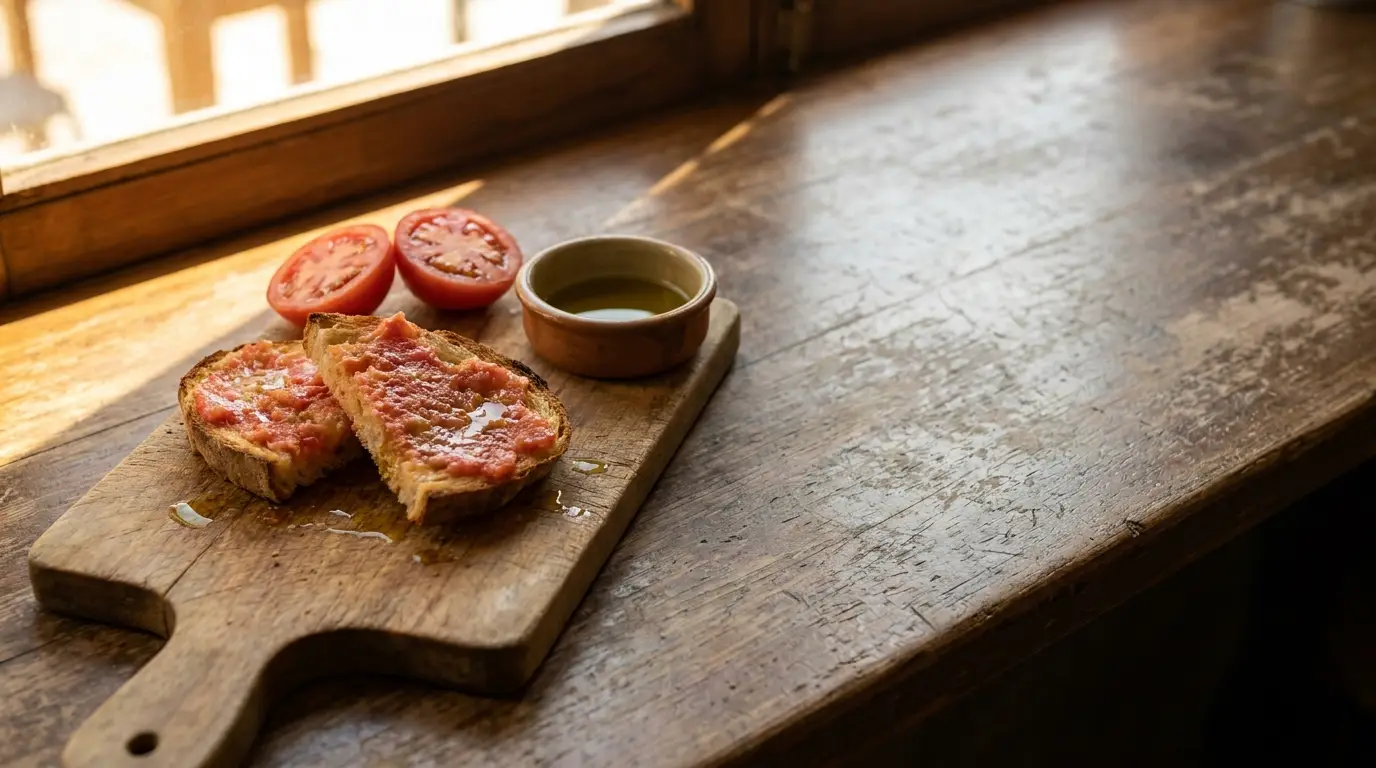
Pan con tomate is one of the simplest and most important things to try. Bread is rubbed with tomato, olive oil, and salt, then served with cheeses, cured meats, grilled foods, or almost anything else. It captures the Catalan preference for good ingredients treated simply.
Bombas are another Barcelona classic, especially associated with Barceloneta. These fried potato balls are often filled with meat and served with spicy sauce and aioli. They are rich, casual, and ideal for sharing.
Escalivada brings together roasted vegetables such as eggplant, peppers, and onions, often finished with olive oil. Fideuà has a similar spirit to paella but uses short noodles instead of rice. Seafood matters too, particularly near the coast, but it is best enjoyed in places that respect seasonality and proper preparation.
Vermouth deserves special attention. In Barcelona, it is part of a social ritual, often enjoyed before lunch with olives, anchovies, conservas, or small bites. For anyone used to rushing from sight to sight, stopping for vermouth is a lesson in the city’s slower pleasures.
Sweets round out the picture. Crema catalana is the famous choice, but bakeries also introduce visitors to coca, xuixos, and other pastries that rarely appear on standard tourist menus.
Look for Food Experiences With Local Context
Food in Barcelona makes more sense when it is connected to a place. Markets are central to that connection. They show what is seasonal, what residents buy, how ingredients are displayed, and how food culture stays tied to daily routines.
To understand the city properly, it helps to see food as part of Barcelona’s local food culture, not simply as a list of dishes to try.
This context changes how even the busiest places feel. La Boqueria, for example, is famous and often crowded, but it still has value when approached with the right expectations. It should not be treated only as a photo stop or a place to grab fruit juice. It reflects the city’s long relationship with produce, seafood, meat, and prepared foods. Santa Caterina and Sant Antoni can offer a calmer look at everyday shopping and eating habits.
A local guide can explain when to visit, what to taste, and how to move through markets with respect. The goal is not to race through the stalls. It is to notice the quality of anchovies, the range of mushrooms, the pride of a vendor, and the difference between a counter aimed at tourists and one used by regulars.
Private food experiences have a clear advantage here. They can move at the right pace while keeping the route focused, flexible, and rooted in the city’s food logic.
Markets, Tapas Bars, and Local Food Areas Worth Knowing
Barcelona’s food scene changes from one part of the city to another. The Gothic Quarter offers history and atmosphere, but it requires care because many streets are heavily touristed. El Born has a lively mix of bars, boutiques, and restaurants, making it a strong area for an evening food route with character. Gràcia feels more residential, with small squares, independent spots, and a slower pace.
Sant Antoni has become one of the city’s most interesting food areas, especially for those who enjoy markets and casual bars. Barceloneta brings seafood and old port culture into the picture, although restaurant choice matters there. Poblenou adds a more modern, creative energy and plenty of places away from the busiest visitor routes.
A strong food route does not need to cover the entire city. In fact, trying to taste everything in one outing often makes the experience feel scattered. A thoughtful route might focus on one or two areas and use them to explain a bigger story about how Barcelona eats.
That story often appears in contrasts: old and new, market and bar, seafood and mountain ingredients, Catalan tradition and global influence, morning shopping and late-night dining. These details turn food from a pleasant part of the trip into one of its most memorable parts.
Red Flags That Signal a Tourist-Trap Meal
Avoiding tourist traps in Barcelona becomes easier once you know the warning signs. The clearest one is a restaurant trying to be everything at once. If a single menu offers pizza, paella, burgers, tapas, pasta, sangria pitchers, and photos of every plate, it is probably not the best place to understand local food.
Paella served at all hours is another red flag. Good rice dishes usually take time and are often associated with lunch rather than late-night impulse dining. A pan displayed near the entrance for hours rarely signals quality.
Pushy service outside the restaurant should also make you pause. Good local places usually do not need to chase customers down the street. Menus translated into several languages are not automatically bad, but when combined with inflated prices, vague dish descriptions, and a location beside a major landmark, they can point to a restaurant designed for one-time visitors.
The goal is not to distrust every place in a popular area. It is to make sharper choices. Look for shorter menus, seasonal dishes, clear specialties, local customers, and staff who care more about the food than the sales pitch.
A private guide can help decode these signs quickly and explain why one place is worth entering while another is best skipped.
How to Fit Food Into the Rest of Your Trip
A food-focused experience works best early in a Barcelona visit. Booking it on the first evening or first full day gives you a useful foundation for the rest of the trip. Once you understand what to order, how meals are timed, and which areas suit your taste, it becomes easier to choose restaurants independently.
It can also balance a sightseeing-heavy schedule. Barcelona days often fill up with Gaudí architecture, museums, beaches, viewpoints, and long walks through historic streets. A guided food experience adds something slower and more sensory. It gives structure to a meal without making it feel formal.
For anyone spending several days in the city, it helps to place a food experience around a wider Barcelona itinerary. A market and tapas route might pair well with a Gothic Quarter or El Born day. A vermouth-focused outing can work after a morning of sightseeing. A relaxed evening route is ideal after major attractions, when researching restaurants while tired and hungry sounds exhausting.
Food can also make group travel easier. Instead of debating where to eat, everyone gets a shared plan with room for small discoveries. Children can try small bites without committing to unfamiliar full meals. Adults can ask about wine, history, ingredients, and customs. The meal becomes part of the experience rather than a break from it.
Tips for Choosing the Right Local Food Experience
Before booking, think about the kind of Barcelona you want to taste.
If markets interest you most, choose an experience built around vendors, ingredients, and seasonal products. If atmosphere matters more, look for tapas bars, old taverns, or lively evening routes. If cooking is the priority, a hands-on class or market-to-table format may be better than a walking tour. If wine or vermouth is important, make sure drinks are included in a thoughtful way.
Ask about group size, walking distance, dietary needs, and what the experience includes. A private format should offer enough flexibility to match your pace and interests. It should also be clear whether the focus is traditional Catalan food, modern Barcelona dining, markets, tapas, seafood, or a balanced mix.
Timing matters. Lunch can be excellent for market-based experiences and fuller meals. Evening works well for tapas, wine, vermouth, and a more social atmosphere. Avoid squeezing a food tour between two major attractions if it means arriving rushed or leaving early. The point is to enjoy the city through its flavors, not to treat the meal as another item on the schedule.
Comfortable shoes help. So does arriving hungry. Most of all, bring curiosity. The best questions often lead to the best bites.
Let Barcelona Feed You Properly
Barcelona is not a city where food should be treated as an afterthought. Meals here can explain history, family traditions, market habits, and the local way of slowing down. Those experiences are easy to miss when people rely only on busy streets, obvious menus, and restaurants built around convenience.
Eating like a local does not mean pretending to be from Barcelona. It means looking beyond the easiest option and choosing context over guesswork. It means paying attention to timing, ingredients, and the places where food still feels connected to daily life.
The city has plenty to offer anyone who arrives hungry. The real reward comes from knowing where to begin.