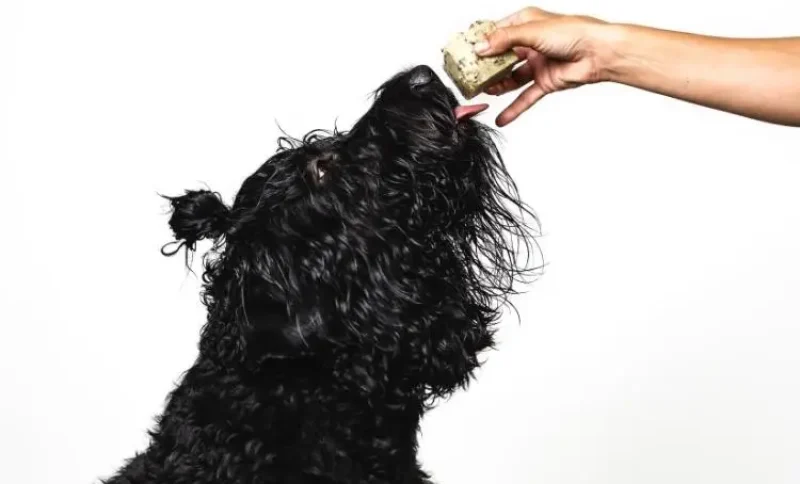
Dogs cannot tell you when their diet is not working for them. Instead, they show it through their skin, their energy, and their digestion. Many owners assume a supplement or a few extra treats will fix these issues. Often, the real problem sits in the food bowl itself, not in what gets added on top of it. If you catch the signs early, you can save your dog months of discomfort. You will also spare yourself plenty of guesswork and repeat trips to the vet’s office.
Recognizing the Early Signs of Poor Nutrition
A dog’s body reacts quickly to what it eats, even when the changes are subtle at first. Owners often notice a dull coat before they notice anything else. Over time, other symptoms tend to follow.
- Dull or Flaky Coat: A greasy, brittle, or dandruff-covered coat often points to a diet lacking proper fats and micronutrients.
- Frequent Digestive Upset: Loose stools, excessive gas, or vomiting after meals can signal that a dog is struggling to digest fillers.
- Low Energy or Excess Weight Gain: A dog eating empty calories can gain weight while still feeling sluggish and undernourished.
- Constant Itching or Paw Licking: Repeated licking, scratching, or ear infections are common signs of an unaddressed food sensitivity.
- Bad Breath and Excess Shedding: Poor nutrition can show up in surprising ways, including breath odor and heavier than normal shedding.
These signs rarely appear all at once. They tend to build gradually, and that slow build is why so many owners miss the connection between food and health. A dog cannot explain why it feels off, so a change in behavior or appearance is often the only clue an owner gets.
Why Gently Cooked, Fresh Food Makes a Difference
Traditional kibble is processed at extremely high temperatures. This process extends shelf life, but it can also strip away nutrients and make the food harder for some dogs to digest. Fresh, gently cooked food takes a different approach. It preserves more of the natural nutrition found in whole ingredients while still reducing the risk of bacteria found in raw diets.
Jennifer Coates, DVM, writing for PetMD, has stated, “Fresh dog foods are free of preservatives, highly digestible, and delicious.” She has also explained, “By gently cooking a dog’s food, the risk of foodborne illness is dramatically reduced, while many of the traits of raw food are retained.” This middle ground matters for owners who want the nutritional advantages of raw feeding without the added risks that come with handling raw meat at home.
Brands built around this method, such as californiadogkitchen.com, use human grade protein and organic ingredients instead of rendered meals or synthetic fillers. The food arrives frozen in individual cubes, and that keeps nutrients locked in until mealtime. This approach differs sharply from shelf-stable kibble sitting in a bag for months before it reaches a dog’s bowl.
What to Look for in a Higher-Quality Dog Food
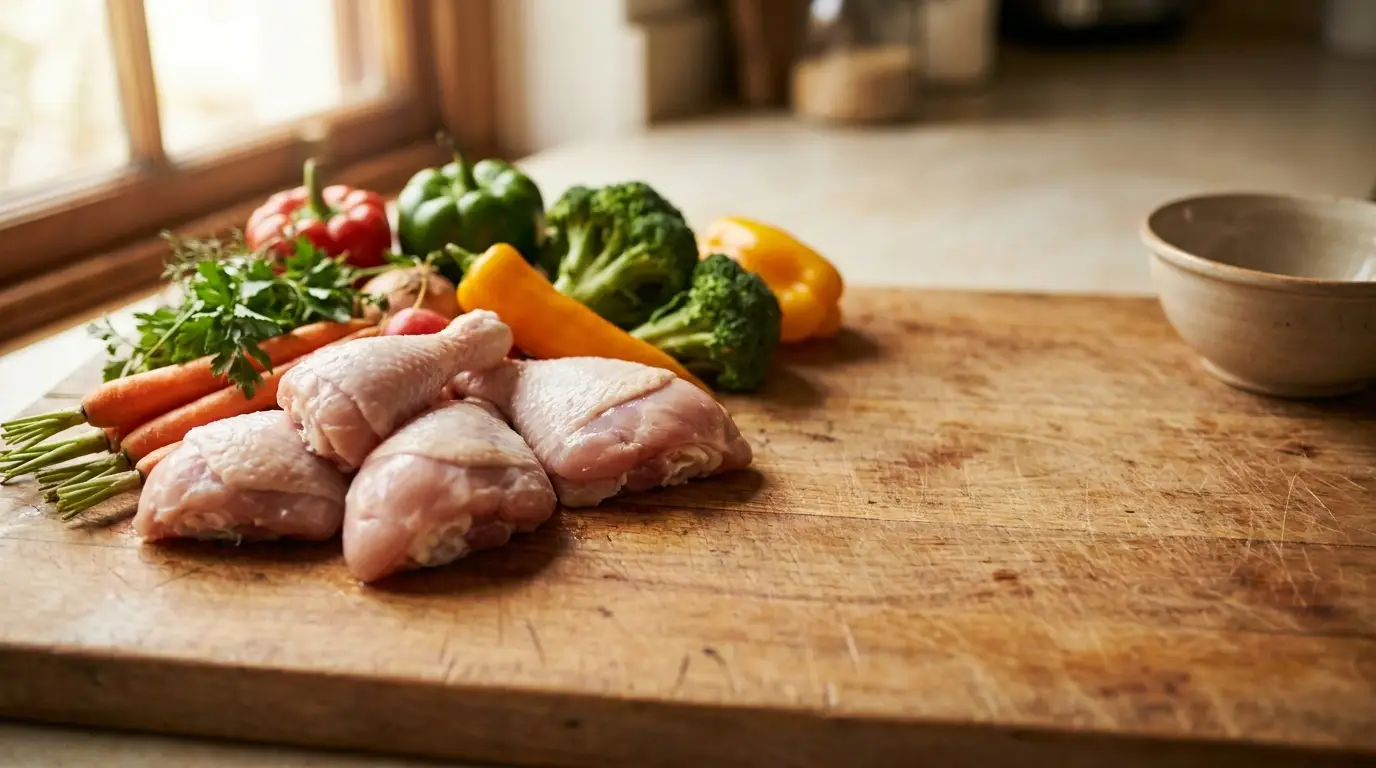
Not every product labeled “natural” or “premium” delivers on that promise, and it pays to read past the marketing language on the front of a bag. A few details tend to separate a genuinely high-quality food from one that only sounds like it.
- Named Protein Sources: A quality food lists specific proteins, such as chicken or beef, rather than vague terms like meat byproduct.
- Certified Ingredients: Look for certifications such as USDA or GAP-certified organic, which confirm that ingredients meet defined agricultural and welfare standards.
- Minimal Processing: Food that skips extreme heat processing tends to retain more of its original nutritional value.
- Allergy-Friendly Options: Dogs with sensitivities benefit from recipes built around limited, clearly labeled ingredients rather than complex fillers.
- Portion Guidance: A feeding chart or calculator helps owners avoid overfeeding and underfeeding, which matters as much as the ingredients themselves.
Portion sizes for frozen food are often simpler to figure out than they sound. Many companies suggest a general rule, such as one four-ounce cube for every ten pounds of body weight per day. Owners can then adjust that amount based on a dog’s age, activity level, and any weight change during the first two weeks. Puppies, pregnant dogs, and nursing dogs typically need two to three times that amount.
Making the Switch Without Overwhelming Your Dog
A food change made too quickly can cause the very digestive issues an owner is trying to avoid. A gradual transition over seven to ten days works better. Mix in increasing amounts of the new food with the old, and give the dog’s digestive system time to adjust. Owners should watch stool quality and energy levels during this period rather than expect instant results.
The bag or box a food ships in rarely gets attention, yet it matters to a growing number of owners. Some fresh food brands now use compostable packaging made from kraft paper with a vegetable-based liner. Standard plastic packaging can persist for centuries. This type of material, by contrast, can break down into soil within about six months under industrial composting conditions. Owners who want to cut household waste often factor this detail into which brand they choose.
Delivery logistics also play a role in food quality. Frozen fresh food generally ships early in the week so it arrives within a few days. It often travels in insulated boxes with dry ice to maintain temperature during transit. Owners should never touch dry ice directly, since it can cause skin burns, and should follow any handling instructions included with delivery.
Conclusion
A dog’s coat, energy, and digestion offer constant feedback about how well its diet is working. Instead of reaching for another treat or supplement, owners can start by asking whether the food itself is doing its job. Fresh, gently cooked options built around named proteins and organic certification represent one way to address these signs directly. Small, gradual changes, paired with attention to a dog’s response, tend to produce the most reliable results over time.