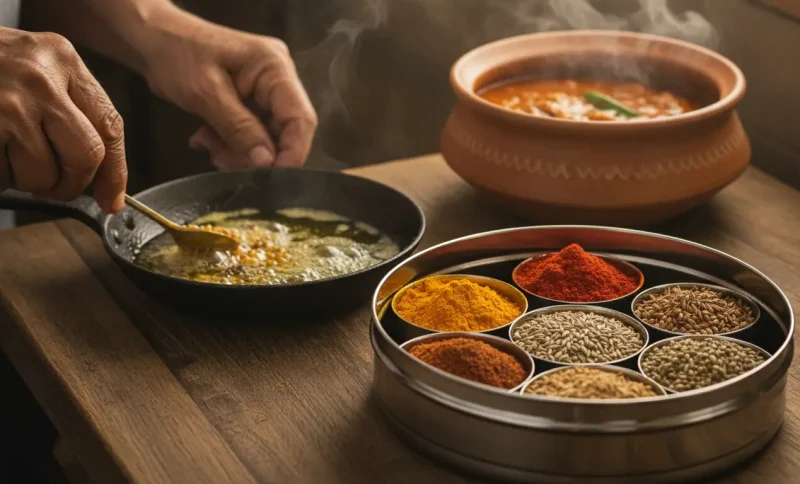
The food we eat and the way we prepare it are great ways to feel connected to places and people we love. For anyone who is away from their family, cooking up a few of their favorite dishes can be a really special way of remembering home. It’s a ritual that is very personal to each of us, and the way in which we prepare our favorite foods for ourselves and our families is a way of keeping hold of family traditions and roots. This connection to our past and our families can be something that we feel even when we are a long way from them.
For many people who moved to other parts of the world, food can be the strongest connection to home. So, people start cooking the same meals that they used to have when they were living in their home countries. They might even contact their parents or grandparents to find out the exact amount of secret ingredients they used to put in their favorite dishes, and, most importantly, the exact way they used to do it.
So, until then, people roughly estimate the amounts needed of each ingredient and add them little by little until they think they’ve added the right amount. And then, there’s always that “until it looks right” phase that follows the above-mentioned.
As people begin to cook more abroad, a lot of attention focuses on receiving support, but less on ways to support others while living abroad. So you send practical support back home, or help family members host the big holiday gatherings you miss attending in person. Supporting family traditions from abroad is a major part of living overseas, whether you send care packages filled with hard-to-find ingredients or use digital transfer options to send money to India online to help relatives fund big celebrations.
In essence, sending practical support to help family and relatives celebrate their own traditions and festivals, especially if they are being held back home, is part and parcel of supporting your family’s traditions while you live abroad. For this, there are many ways to support, like sending care packages filled with the hard-to-find special spices and ingredients that are required to make special dishes for festivals and events, and using services like online money transfer for your relatives who are in charge of preparing and hosting big family festivals and events.
The Magic of the Indian Spice Box
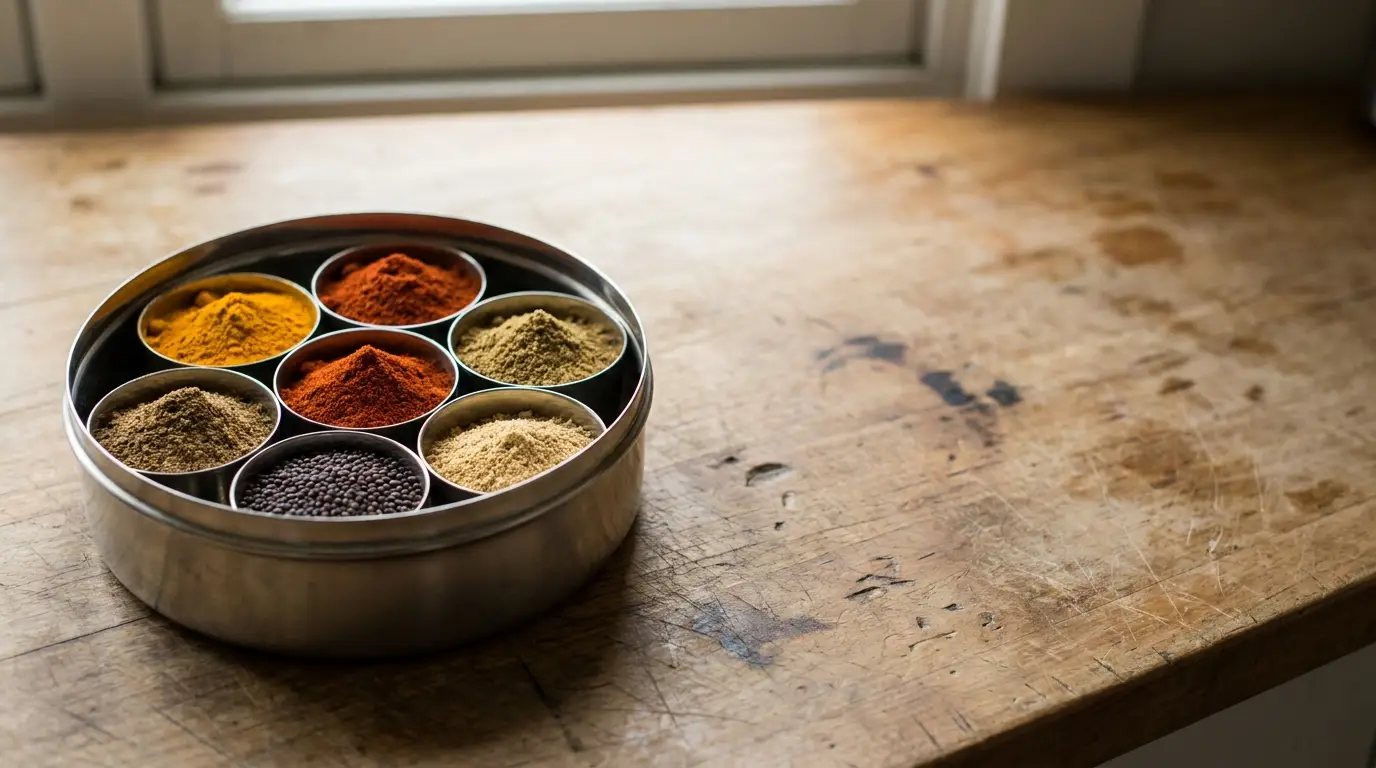
A spice box, or masala dabba, is usually found in the heart of every home kitchen in India. Typically made of stainless steel, a masala dabba can contain a variety of spices. In everyday cooking, for example, a home cook might reach for turmeric, red chili powder, cumin seeds, coriander powder, mustard seeds, and garam masala. Opening the container and pouring out a portion of the necessary spices is a ritualistic act that has been passed down from generation to generation of home cooks, each of whom has known without being told how to use heat and add in bouts of acidity and earthy flavors to create dishes and flavors that are greater than the sum of their individual parts.
Of course, there is a bit of a learning curve in cooking up a traditional Indian dish outside of India, but most of that stems from having to hunt around for the right sort of ingredients and finding the right markets in which to procure them. There are plenty of international markets these days, but even in the best of them, they are not always going to stock the sorts of things that you are looking for.
In my case, the search for the right sort of basmati rice has, on more than one occasion, involved several hours of comparing and contrasting different brands, as well as scouring the various sections of international markets to try to find some fresh curry leaves.
It changes everything about the meal. Truly.
Here are a few essential techniques that help bring authentic regional flavors into your own home kitchen:
- Mastering the Tadka: The tempering process, often referred to as tadka, involves adding whole spices or their ground versions to hot oil or ghee. This releases the essential oil of the spices into the dish, which significantly impacts the flavor of the resulting dish.
- Balancing Acidity: Using ingredients like dried mango powder, tamarind paste, or even fresh yogurt to cut through the heat of spices in a dish.
- Patience with Aromatics: This key step of developing rich flavors is created by slowly caramelizing the aromatics to develop rich flavors for making a great gravy for your meal.
Preserving Heritage Through Shared Meals
Sharing Meals and Preserving Heritage at Home Abroad. Many people say that they are closest to their family members when they are having meals together. Therefore, while living abroad, it is very important to keep sharing meals with family members and to also cook for and share with others in the new country, so that there can be a transfer of traditions, recipes, values, and ways of life to others too.
And that’s where the real magic happens.
Even as we try to live abroad and explore new cultures and ways of life, we still have to make efforts to stay in touch with our families back home. Food and celebrations, however, are a big part of family life, and so it is easy to stay in touch around special occasions. On holidays, for example, I often join in video calls with my family around the world, from the kitchen where I am preparing a traditional festive dish. We compare our versions of traditional dishes and show off the elaborately prepared spreads of food that we have created for the occasion. It is a small thing, but it brings a lot of joy to connect with loved ones who are far, far away.
While honoring your roots and creating new traditions, the simple act of cooking traditional meals can fill your home with wonderful aromas and tastes while creating many special memories.