


Planning meals for an entire week can sound like a lot of work. You have breakfasts, lunches, dinners, snacks, grocery shopping, leftovers, busy evenings, and unexpected changes to deal with. Trying to manage everything at once can quickly make a simple weekly plan feel harder than it should be.
It does not have to be that complicated.
A good weekly meal plan will give you a basic structure while leaving enough room to swap meals if your schedule changes. You do not need to prepare a completely fresh meal for every day of the week. A few dependable meals, some shared ingredients, and a little preparation can make the week easier to manage.
The goal is not perfect meals. It is a week that runs more smoothly.
Start With Your Schedule, Not Your Recipes
Before choosing what you want to eat, look at the week ahead.
Which nights will you have time to cook? Which days will be busy? Do you have plans to eat at a restaurant? Will you have to pack lunches for work?
Your meal plan should fit your actual week rather than an imaginary week in which you have unlimited time to prepare food.
For example, you might plan a meal that takes more prep on a day when you have extra time available. On a busy workday, you might choose something quick. Another evening might be a good time for leftovers, and you could plan a more flexible meal for the weekend.
Decide What You Want Your Meals to Support
Once you know what your week looks like, think about what you want your meals to do for you.
For some people, that may simply mean eating a variety of foods and making more meals at home, while others may want to pay closer attention to calories, protein, or another part of their diet.
If you’re planning meals around a calorie target but aren’t sure where to start, a TDEE calculator can estimate your daily calorie needs using details such as your age, body measurements, and activity level.
The Dietary Guidelines for Americans, 2025-2030, provide federal nutrition guidance focused on meeting nutrient needs and supporting healthy eating patterns.
If you’re paying attention to calories or protein, you don’t have to make every meal identical. You can distribute food throughout the day in a way that fits your normal eating habits.
The exact foods can change day to day. What matters is that the overall plan fits your needs and routine.
Choose a Few Meals You Can Build Around
One of the most common mistakes people make is trying to create a completely different menu for every meal.
Based on your schedule, you can start with:
- Two or three breakfast options
- Two lunch ideas
- Three or four dinner options
- A few snacks you enjoy
- One or two flexible meals for the weekend
My own weeks have looked like this for years: eggs most mornings, a chicken or fish lunch with rice or potatoes, lentils or Greek yogurt filling the gaps. It sounds repetitive, but I never felt stuck because the sides and the way I cooked them changed.
Use the Same Ingredients in Different Ways
One of the easiest ways to make weekly meal planning practical is to use the same ingredients across several meals.
For example, cooked chicken can become:
- A rice and vegetable bowl
- A wrap with vegetables
- A salad topping
- Part of a quick stir-fry
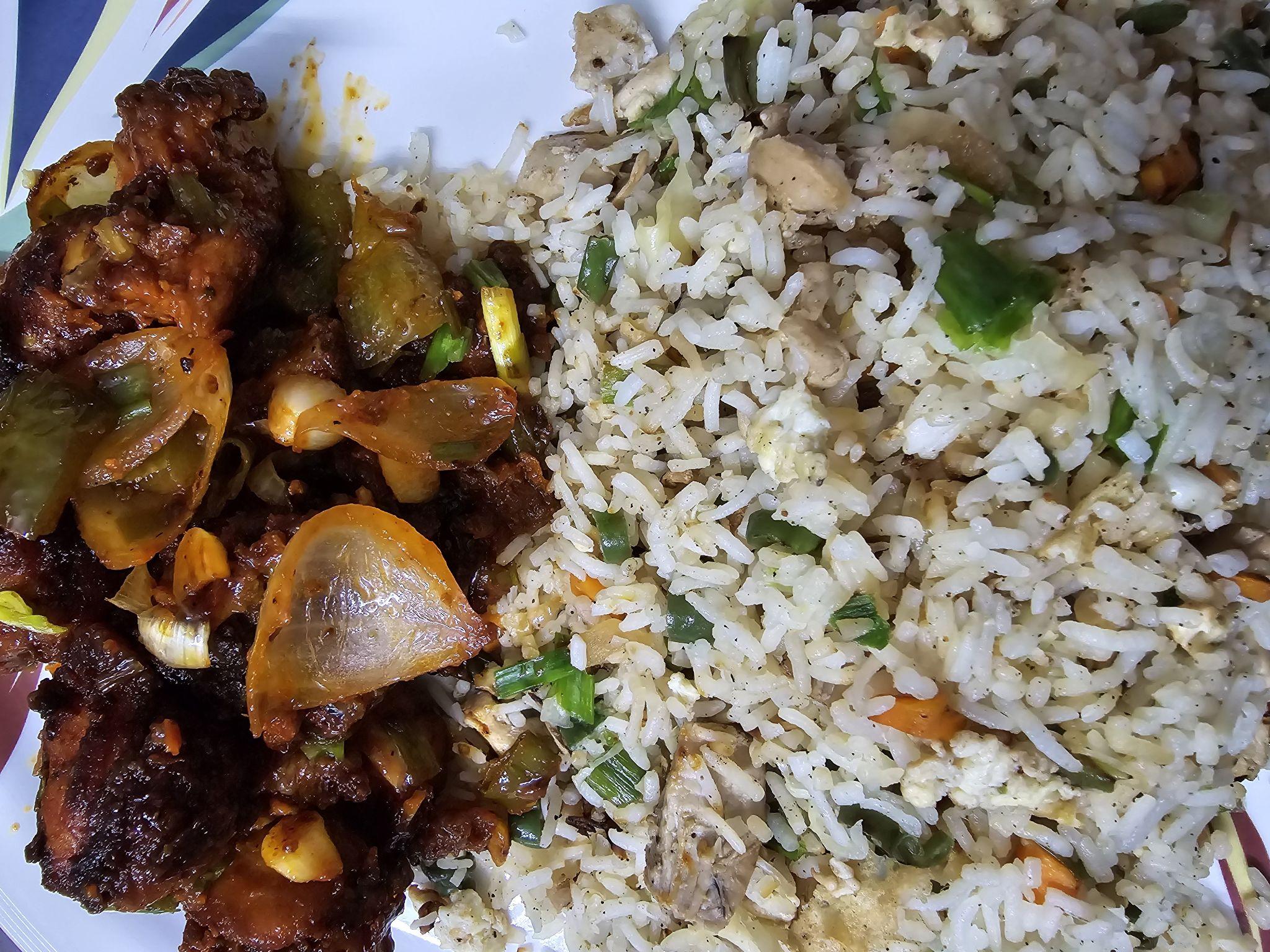
Cooked rice can serve as a side dish one night and become fried rice later in the week. Roasted vegetables can accompany dinner and then become part of an omelet or grain bowl the next day.
Build Your Grocery List From the Meal Plan
Once your meal plan is done, turn the plan into a grocery list.
Start by checking what you already have in your pantry. There is little reason to buy another bag of rice when you already have one at home.
Then, group the remaining items by category:
- Protein: chicken, fish, eggs, beans, yogurt, or other foods you regularly eat.
- Produce: vegetables, fruit, herbs, and other fresh ingredients.
- Grains and staples: rice, oats, bread, pasta, potatoes, or similar foods.
- Pantry items: sauces, spices, canned foods, oils, and other ingredients.
If you use nutrition information while planning, USDA FoodData Central can also help you check the nutrient content of individual foods.
Leave Room for Meals You Didn’t Plan
Maybe a friend invites you to dinner, or you have a busy evening at work. You might simply not feel like eating the meal you planned.
Leave one or two flexible spaces in the week when possible. You can use them for leftovers, a restaurant meal, or whatever fits your schedule.
The same applies to portions. You do not have to force yourself to eat a meal simply because it’s in your weekly meal plan.
Review Your Week Before You Start
Before grocery shopping, take a few minutes to look over the entire week.
Ask yourself:
- Do I have meals planned for my busiest days?
- Are there enough different foods to keep the week interesting?
- Can ingredients be used in more than one meal?
- Do the meals fit my calorie or protein needs if I am tracking them?
- Is there enough flexibility for eating out or changing plans?
- Am I buying food I already have at home?
It can also show you where the plan is too hard to follow. If you have planned several complicated recipes during a busy week, replacing some of them with simpler meals may make the entire plan easier to follow.
Keep Your Meal Plan Organized
Once you have decided what you want to eat, the next challenge is keeping the plan organized.
Writing everything on paper can work, but a meal planner can make it easier to keep your meals, portions, and nutrition targets together.
The important part is not the tool itself. It is having a clear plan that you can review and adjust when your week changes.
Keep the Plan Simple Enough to Follow
Choose foods you enjoy. Repeat ingredients when it makes sense. Prepare a few things ahead of time, especially for busy days. Leave some space for leftovers and meals away from home.
Final Thoughts
Planning a week of meals is more about removing unnecessary decisions from your week than simply filling a calendar with food.
Start with your schedule. Choose a few meals you enjoy. Make a grocery list and leave room for plans that change.
The point is to make decisions easier, not to create another task you have to manage.